Planning a Garden Project This Spring? Here’s Where to Start
Spring Garden Action Plans
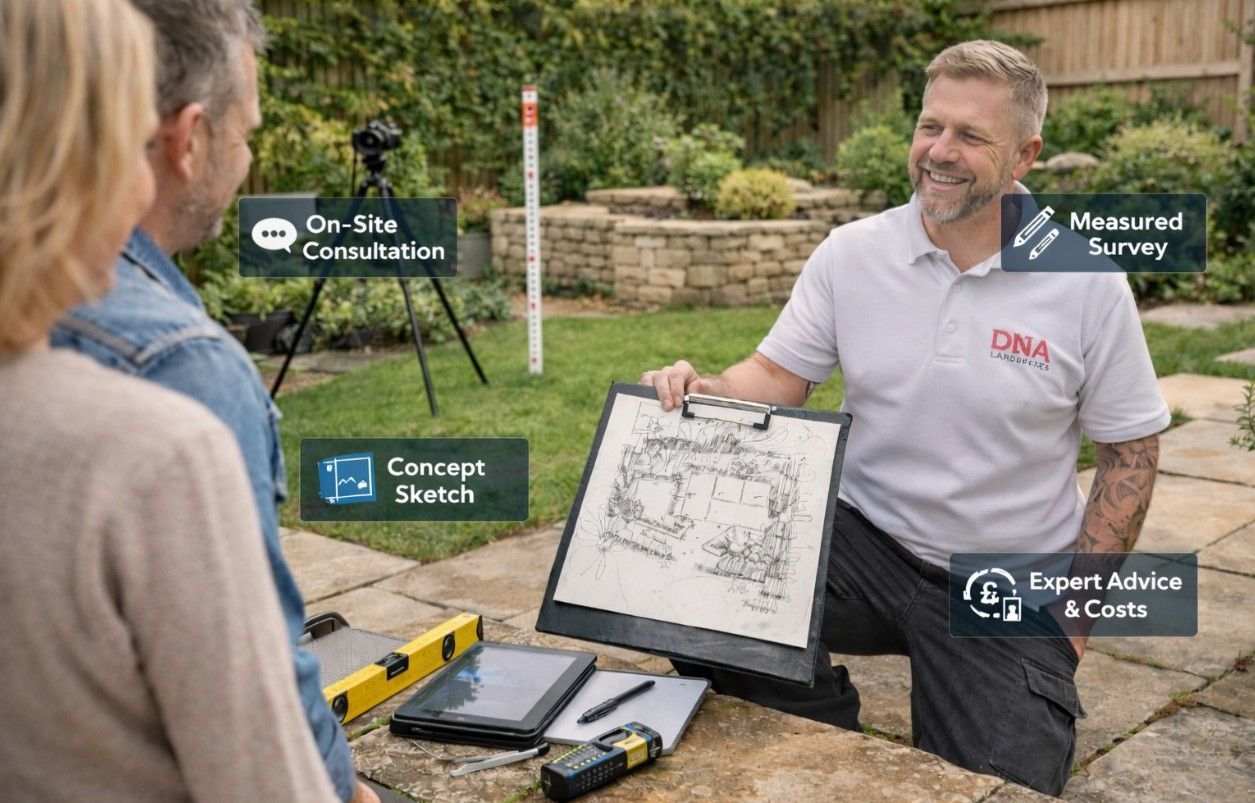
Thinking about improving your garden this spring?
Before you start getting prices or choosing materials, the most important step is understanding what will actually work in your space. Because every garden is different — and the best results always start with a clear plan.
Spring Is When Ideas Turn Into Action
There’s something about this time of year.
The days are lighter.
You’re spending more time outside.
And suddenly, your garden starts to feel different.
Not just something you look at — something you want to use.
You start noticing what’s not quite working.
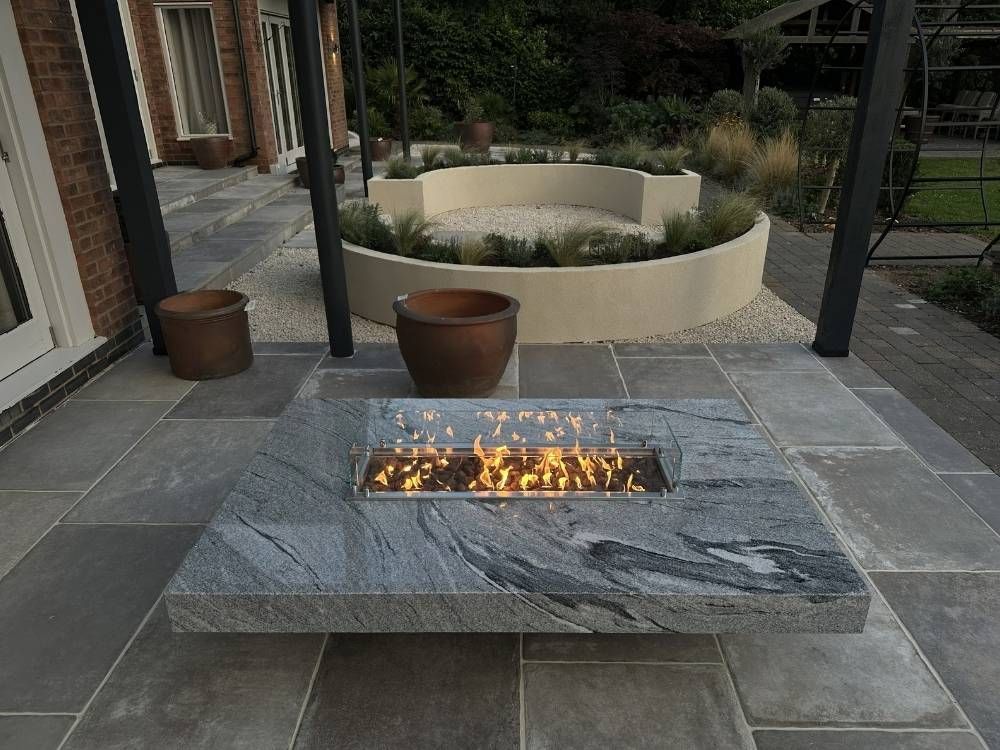
The patio that’s seen better days.
The layout that feels awkward.
The space that could be so much more.
And that’s usually the moment a project begins.
But Where Do You Actually Start?
Most people go straight to:
- Getting prices
- Looking at materials
- Trying to figure out what it might cost
But without properly understanding your space first, you’re often working backwards.
Because even smaller projects are shaped by:
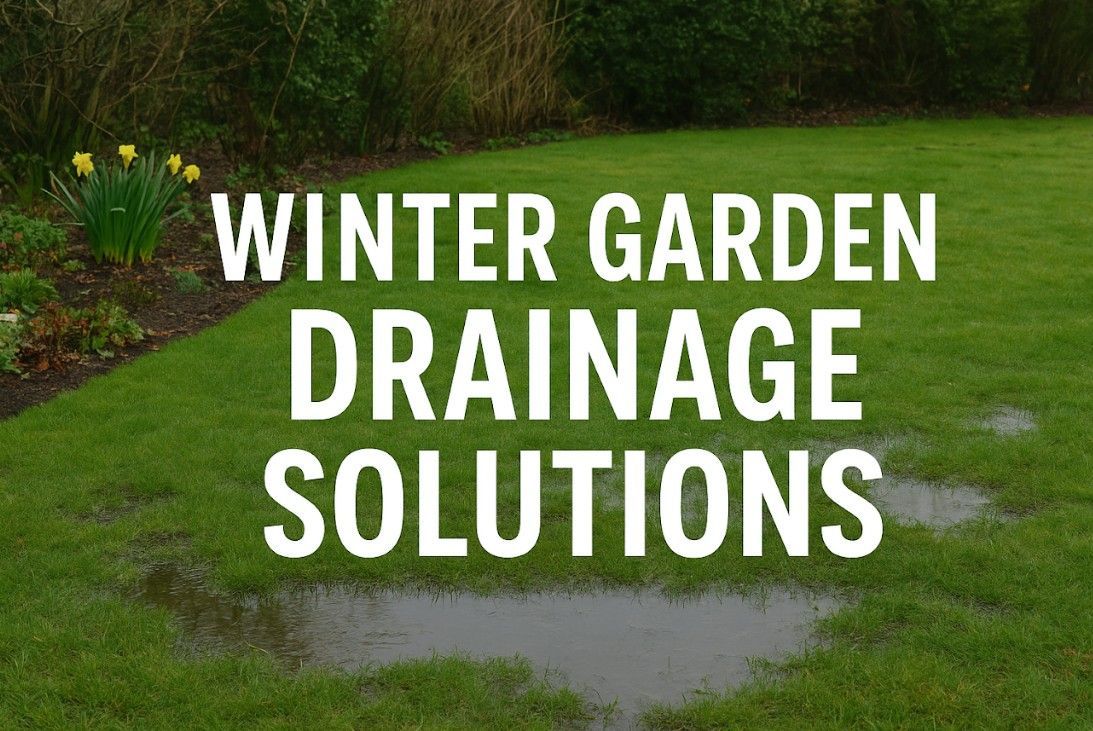
- Levels and drainage
- Access
- Existing features
- How the space actually flows
Start With Understanding — Not Guesswork
For smaller projects, the most important first step is understanding what will actually work in your space.
What looks simple on the surface can quickly become more involved once these factors are taken into account.
And without that clarity, decisions are often made based on assumptions — which is where problems tend to show up later.
What We See Go Wrong Most Often
Most of the projects we’re asked to fix or improve later usually come down to the same things:
- Layouts that look good but don’t function properly
- Drainage that wasn’t considered early
- Materials chosen without thinking about the full space
- Budgets that didn’t account for groundwork
All of these are avoidable — when the project starts with the right guidance.
A Smarter Way to Approach It
For projects that don’t require a full design process, the most effective starting point
is getting clear, professional guidance on site.
When someone experienced walks your garden with you, the conversation quickly
changes.
It’s no longer just:
“We want a patio here.”
It becomes:
- Will that level work with the house?
- How will the space feel when you’re using it?
- Where does the sun fall during the day?
- Will drainage become an issue later on?
Small details — but they’re what shape how the garden looks, feels, and lasts.
From Ideas to Something You Can Move Forward With
One of the biggest shifts for most homeowners is moving from ideas to clarity.
Instead of second-guessing decisions, you begin to understand:
- What layout will actually work
- What materials will suit your home
- What’s realistic within your budget
- What’s worth doing — and what isn’t
And that’s when a project starts to feel more straightforward. Because you’re no longer piecing things together - you’re making informed decisions.
A Quick Way to Get a Rough Idea of Your Garden Size
If you’re still in the early stages, one of the most helpful things you can do is get a
rough idea of your garden size.
It doesn’t need to be exact — just enough to guide your thinking.
1. Count Your Fence Panels
Most standard fence panels in the UK are around 1.8m wide (6ft)
So:
- 5 panels ≈ 9 metres
- 6 panels ≈ 10.8 metres
2. Use a Tape Measure
If you have one, simply measure the main area you’re thinking about.
For example:
- 10m × 5m = 50m²
Even a rough measurement helps when thinking about layout and budget.
3. Use Google Maps or Google Earth
You can measure your garden digitally by placing points around the space. It’s a quick and surprisingly accurate way to estimate size.
Why This Step Makes Everything Easier
Taking the time to understand your garden properly means:
- Fewer surprises during the build
- Better use of your space
- More confidence in your decisions
- A clearer understanding of costs
It’s not about overcomplicating things - it’s about getting it right from the start.
And If Your Project Is Bigger…
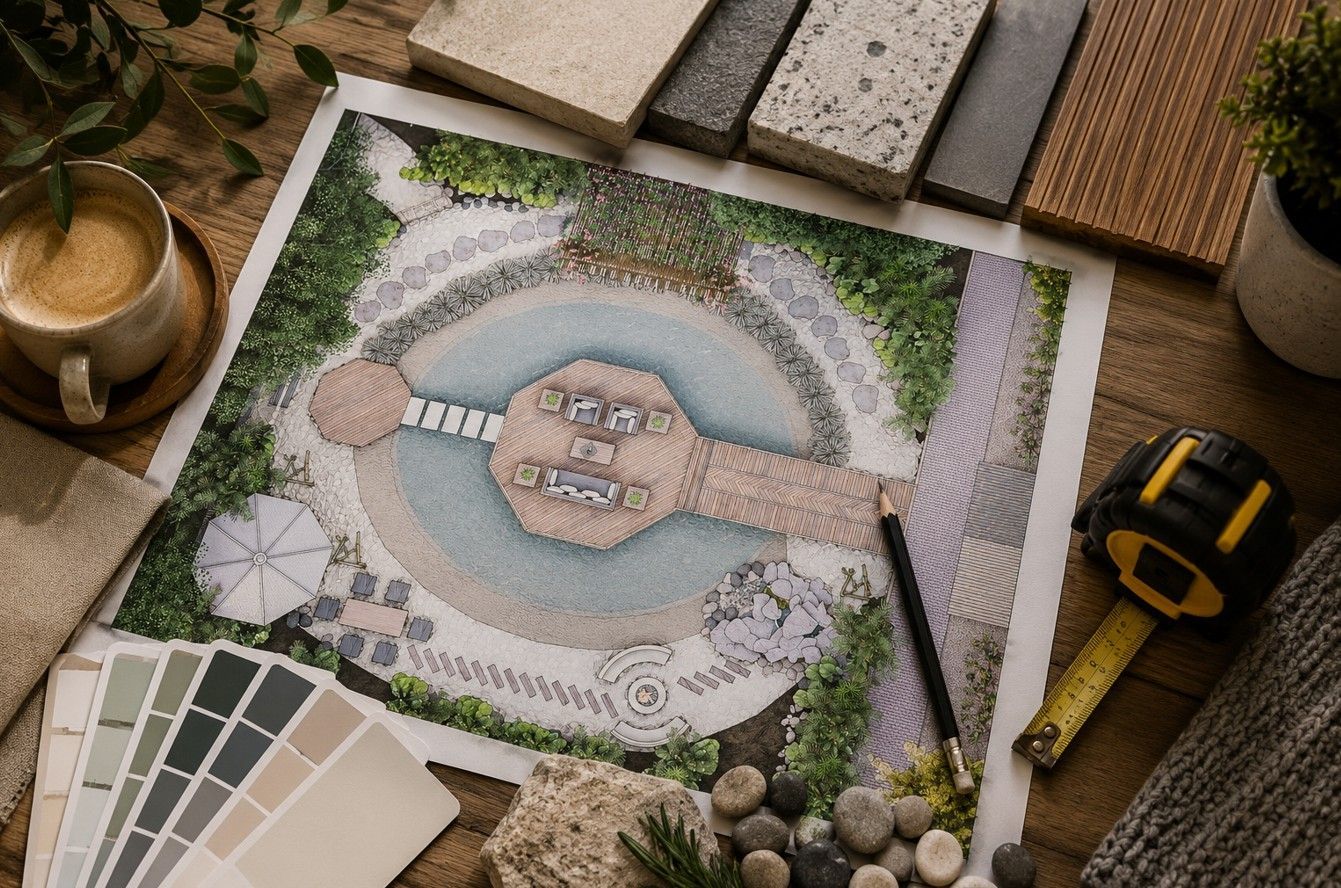
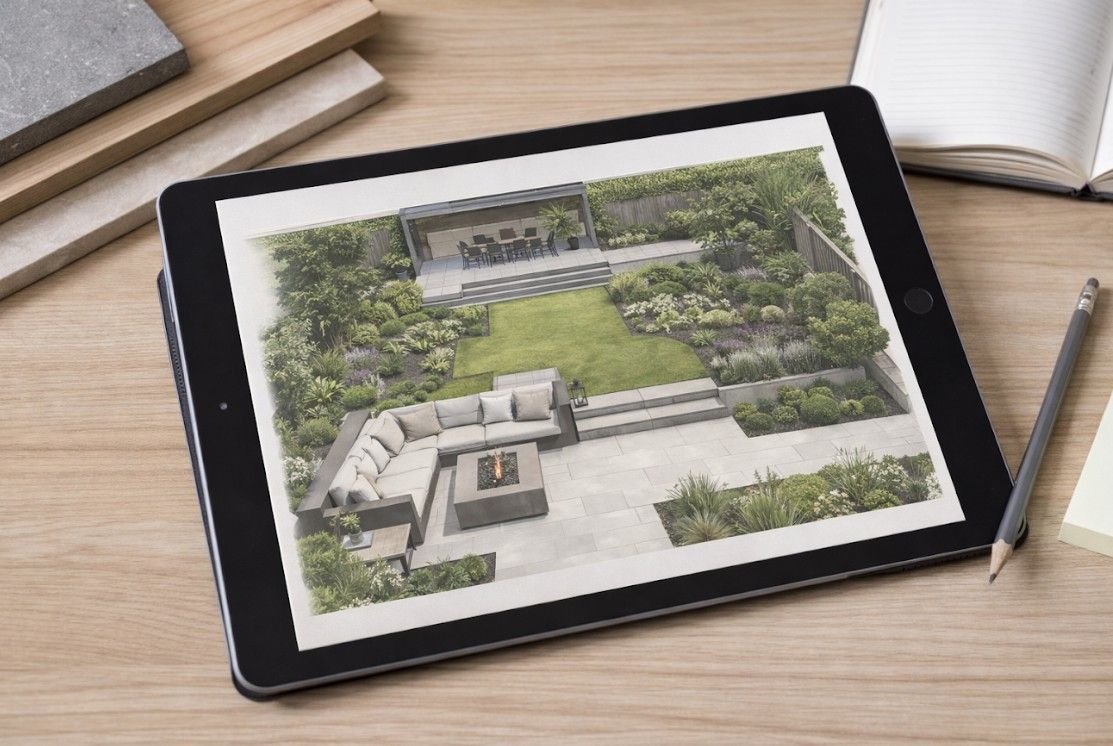
If you’re planning a full transformation, then a detailed design process becomes the
next step.
That’s where we:
- Develop layouts
- Create 2D and 3D visuals
- Refine every element before build
The key is starting in the right place for your project.
A Rough Guide to Costs
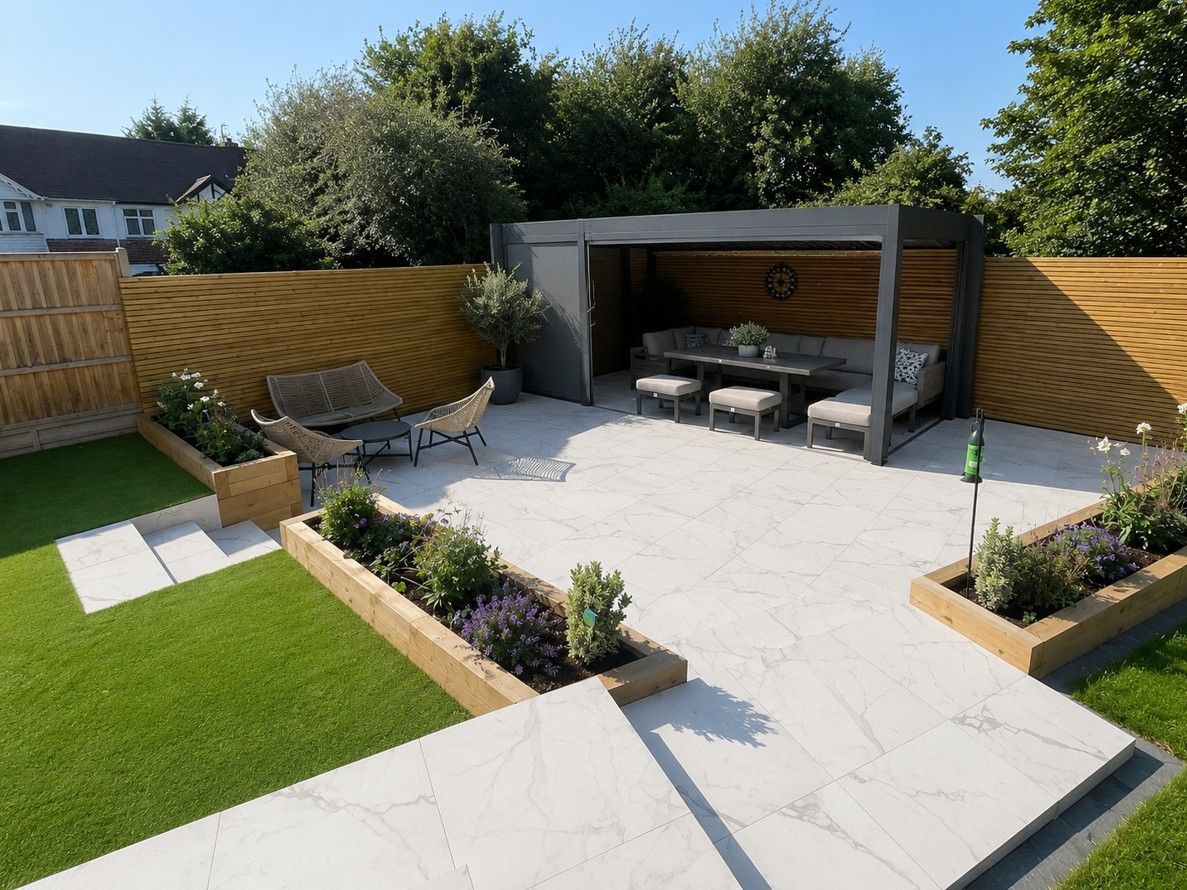
If you’re starting to plan your garden project, a general guide can help. Most patios and hard landscaping projects typically fall between £200–£300 per m²
This depends on:
- Materials
- Ground preparation
- Access
- Overall finish
It’s a useful starting point — but accurate costs always come from seeing the space
properly.
Final Thought
The gardens you enjoy all summer… are the ones that were properly planned in spring.
Ready to Take the First Step?
If you’d like help understanding what would work in your garden, the best place to
start is with a Garden Assessment.
We’ll walk the space with you, talk through your ideas, and give you clear, practical
guidance so you can move forward with confidence.