New Build Garden Ideas UK: 5 Common Mistakes And How to Fix Them
Avoiding Garden Mistakes
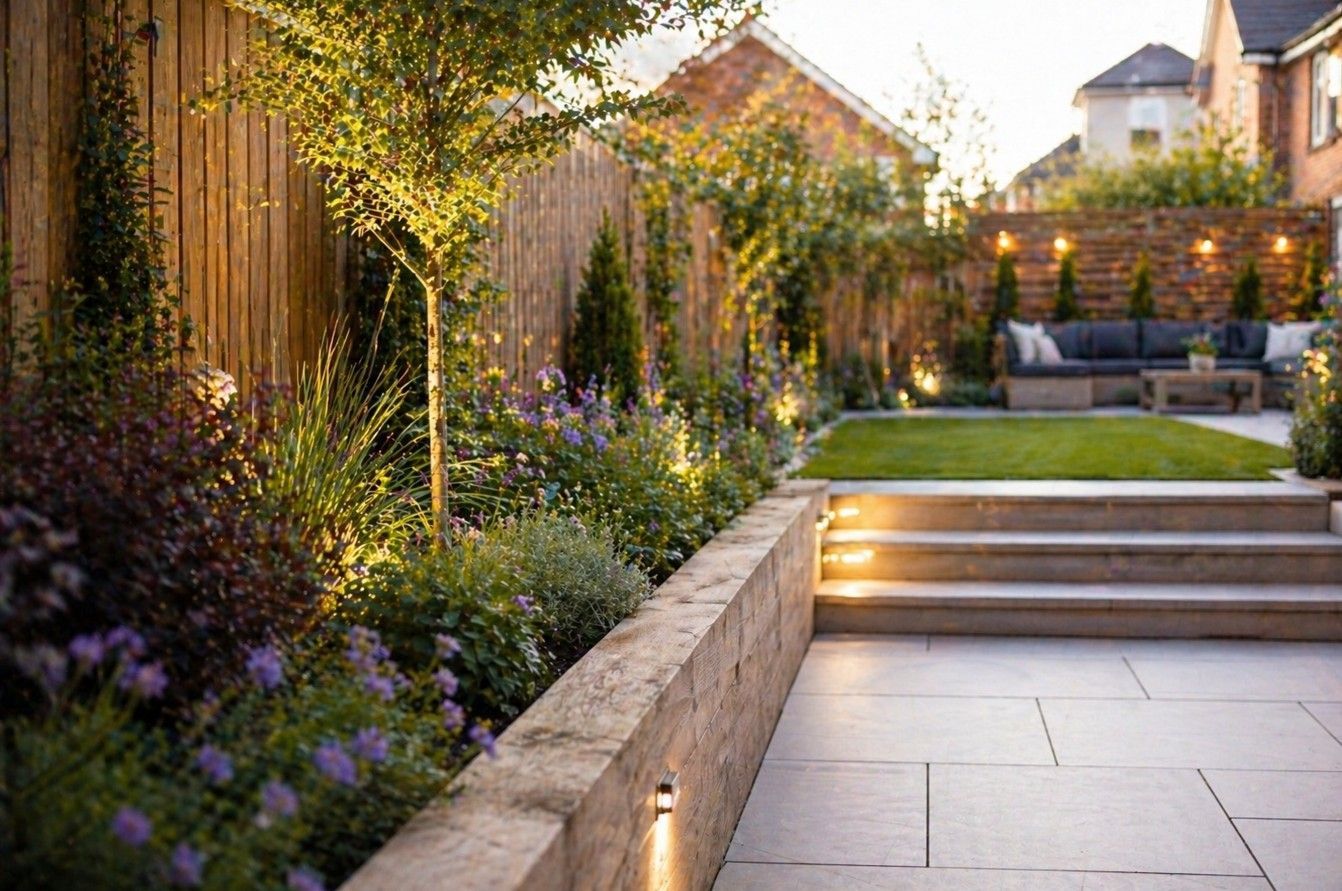
If you’ve recently moved into a new build in Coventry, Warwickshire or the surrounding areas, your garden probably feels like a blank canvas—but not necessarily an easy one to work with.
Most new build gardens come with:
- A basic lawn
- Boundary fencing
- A small patio area
What they don’t come with is a proper layout, privacy, or a space that actually works for how you want to live.
If you’re thinking about landscaping your new build garden, here are the most common mistakes to avoid—and how you can get it right from the start.
1. Treating Your New Build Garden Like It’s Finished
It’s easy to think your garden just needs a few upgrades. But in reality, most new-build gardens are:
- Quickly finished
- Minimally prepared
- Not designed for long-term use
What this means for you: If you only make small changes, your garden may still feel unfinished and underwhelming.
✔️ What to do instead
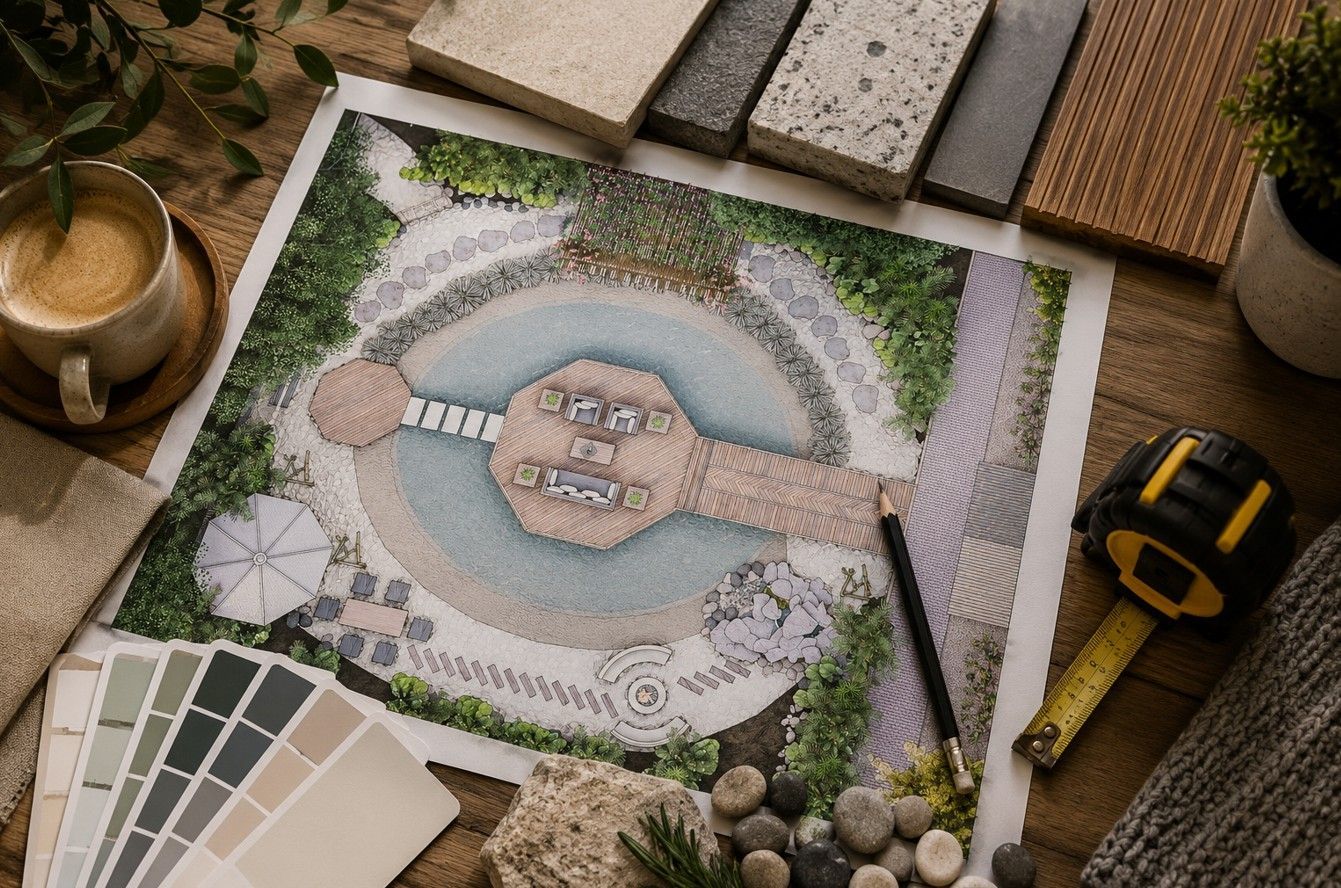
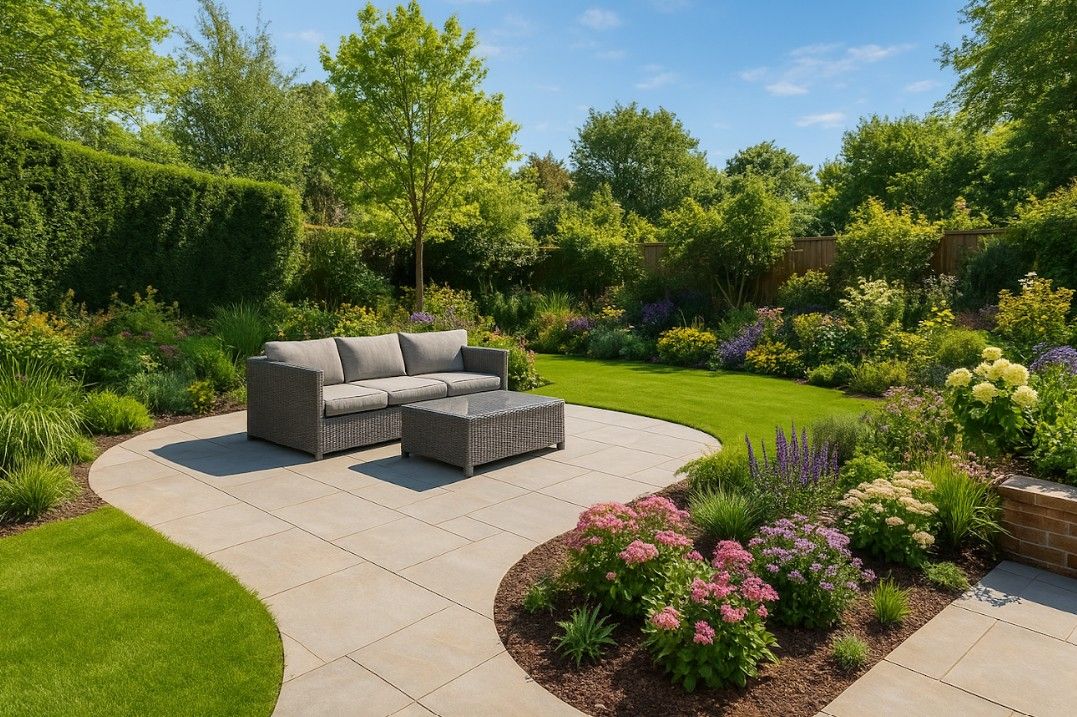
Start by looking at your space as a full garden design project, not just a tidy-up. A well-planned layout will completely change how your garden looks and feels.
2. Choosing Materials Before Planning the Layout
One of the biggest mistakes in new build garden design is jumping straight into materials like:
- Porcelain patios
- Decking
- Artificial grass
The problem is, materials don’t fix a poor layout. You could end up with:
- A patio in the wrong position
- Unused or awkward spaces
- No clear flow through your garden
✔️ What to do instead
Think about how you want to use your garden first:
- Outdoor dining
- Relaxing space
- Area for kids
- Entertaining
Then design your layout around that.
3. Not Adding Privacy to Your New Build Garden
Privacy is one of the biggest issues with new-build gardens. You’re often overlooked by:
- Neighbouring houses
- Rear windows
- Adjacent plots
Without addressing this, your garden can feel exposed—even after landscaping.
✔️ What to do instead
Build privacy into your design from the beginning:
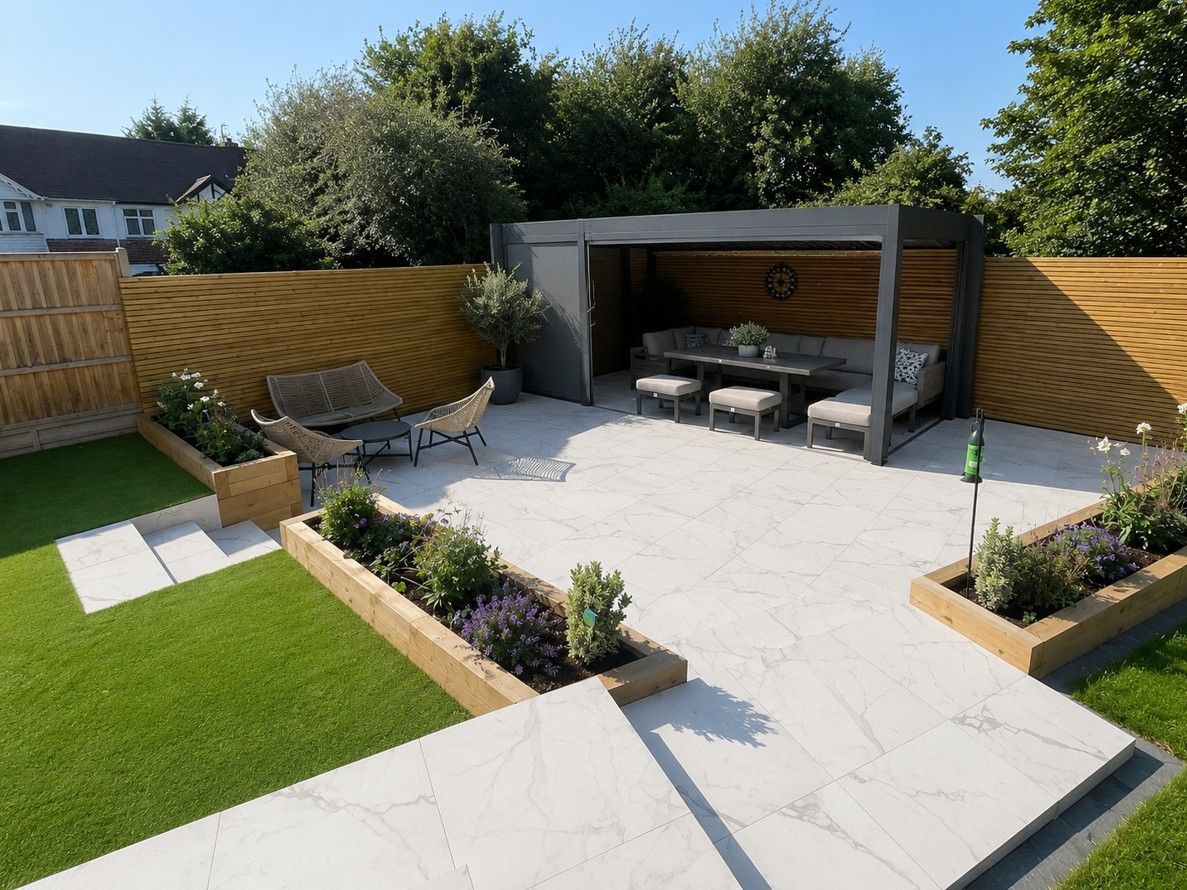
- Raised sleeper planters
- Structured planting (hedging, trees)
- Screens or garden structures
This helps create a space that feels private, comfortable, and usable.
4. Ignoring Levels and Structure
Many new-build gardens aren’t perfectly level. You might be dealing with:
- Slopes
- Uneven ground
- Poor transitions from house to garden
If left as-is, it limits what you can do with the space.
✔️ What to do instead
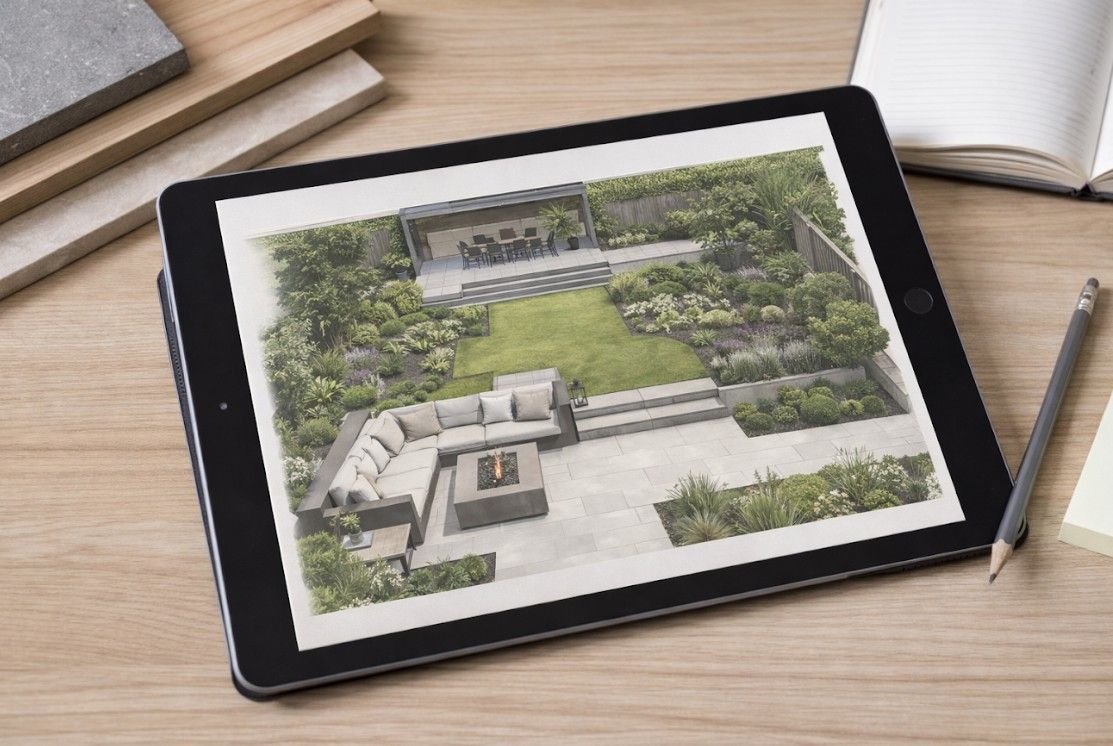
Use levels to improve your garden:
- Create defined zones with steps
- Raised planters for structure
- Build smooth transitions between areas
This makes your garden feel more considered and easier to use.
5. Focusing on Looks Instead of How Your Garden Feels
A common mistake is focusing only on:
- Materials
- Features
- Visual finish
But what really matters is: How your garden feels when you’re actually using it. Without this, even a well-built garden can feel flat.
✔️ What to do instead
Think about:
- Where you’ll sit in the sun
- How spaces connect
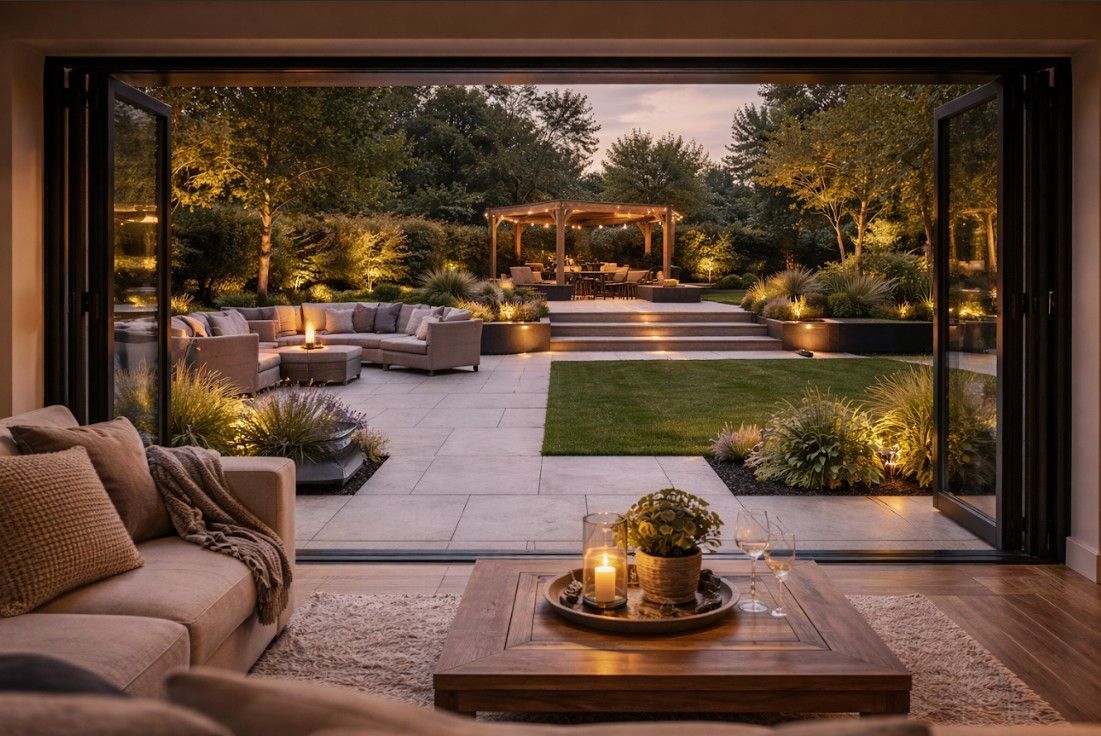
- What you see from inside your home
This is what turns a garden into a space you genuinely enjoy.
Why New Build Garden Design Matters
When your new build garden is properly designed, everything changes.
You get:
- A layout that works for your lifestyle
- A space that feels private and comfortable
- A garden that adds real value to your home
❓ FAQs About New Build Gardens
How much does it cost to landscape a new build garden in the UK?
Most new build garden projects typically range between £15,000 and £50,000+, depending on size, layout, and materials.
What is the best layout for a new build garden?
The best layout depends on how you want to use your space. Most successful designs include zoned areas for seating, dining, and lawn, with clear flow between them.
How do you add privacy to a new build garden?
Privacy can be created using raised planters, structured planting, screening, and clever layout design—without making the space feel closed in.
Planning Your New Build Garden?
If you’re thinking about landscaping your new build garden and want to get it right from the start, the key is having a clear plan in place. That way, you avoid costly mistakes and create a garden that’s designed
around you, your space, and how you want to use it.