
Garden Design Styles: Choosing the Perfect Look for Your Outdoor Space
Landscaping Garden Design Experts
DNA Landscapes
Choosing the Right Garden Design Style for You
Choosing a garden design style isn't just about picking what looks pretty in a magazine. It's about creating an outdoor space that matches how you actually live, complements your property's architecture, and fits the time you can realistically dedicate to maintenance. Get this decision right, and your garden becomes a genuine extension of your home—a space you'll use and enjoy for years. Get it wrong, and you'll face expensive redesigns or, worse, a garden you avoid.
At DNA Landscapes, we've designed and built gardens across Coventry and Warwickshire for over seven years, backed by 40 years of combined experience. We've created everything from sleek contemporary spaces in new-build developments to romantic cottage gardens around Victorian properties. Through hundreds of projects, we've learned that successful garden design starts with understanding the core styles available and how they align with your specific needs.
This guide walks you through the main garden design styles we work with—contemporary, traditional English, Japanese, Mediterranean, cottage, and formal. For each style, you'll discover the defining features, typical materials, planting schemes, and realistic maintenance requirements. You'll also learn which styles suit different property types, budgets, and lifestyles.
Whether you're drawn to clean contemporary lines, romantic cottage abundance, or tranquil Japanese simplicity, understanding these styles helps you articulate your vision when we sit down for your design consultation. Let's explore what makes each style distinctive and help you identify which approach will transform your Coventry garden into the outdoor space you've been imagining.
Understanding Garden Design Styles: Why Your Choice Matters
Garden design style does more than determine whether you plant roses or bamboo. It creates the fundamental relationship between your house and outdoor space, influences every material and plant choice you make, and ultimately determines whether you'll love spending time in your garden five years from now.
A well-chosen style creates visual harmony. When your garden style complements your property's architecture, the transition from indoors to outdoors feels natural and intentional. Contemporary porcelain paving flowing from a modern extension makes perfect sense. The same material against a Victorian brick facade can look jarring and out of place. Style choice isn't about following trends—it's about creating coherence that adds value to your property and pleasure to your daily life.
The wrong style choice creates problems that compound over time. We've redesigned gardens where homeowners initially chose styles that didn't match their reality. A high-maintenance cottage garden looked glorious in spring but became an overwhelming burden by summer for time-poor professionals. A stark contemporary design felt cold and uninviting for a family who actually wanted a softer, more playful space. These aren't small tweaks you can fix with a few plant changes—they're fundamental mismatches that require substantial reinvestment to correct.
How Garden Style Affects Your Daily Life
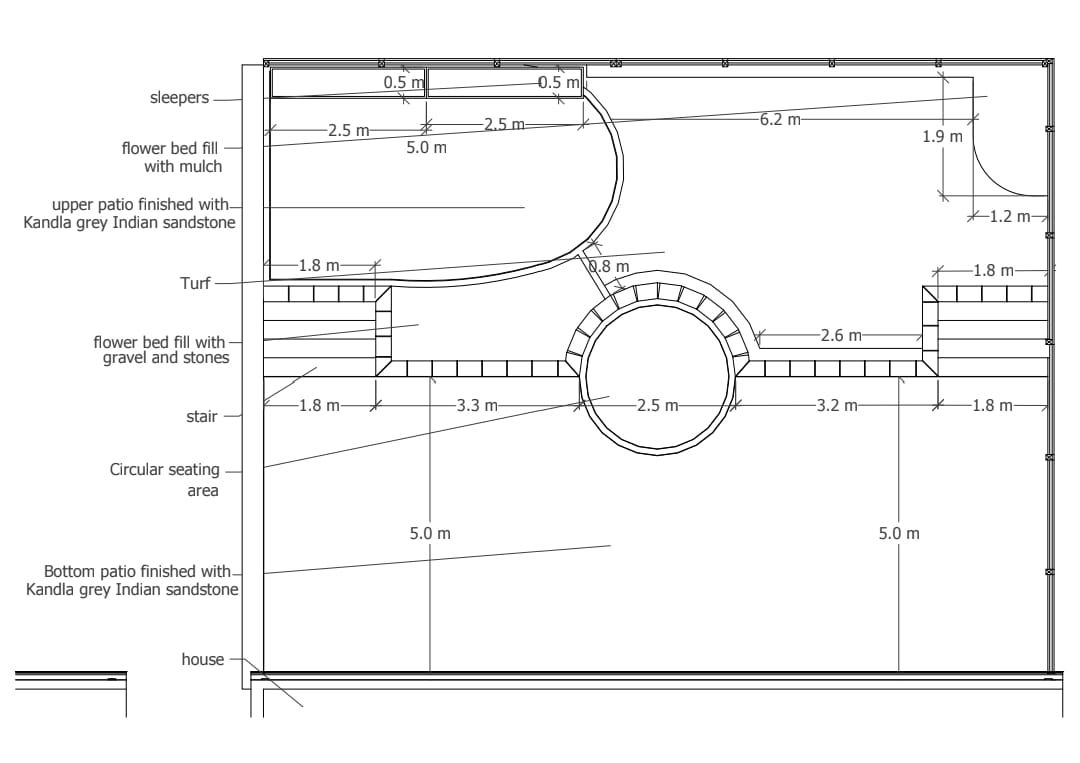
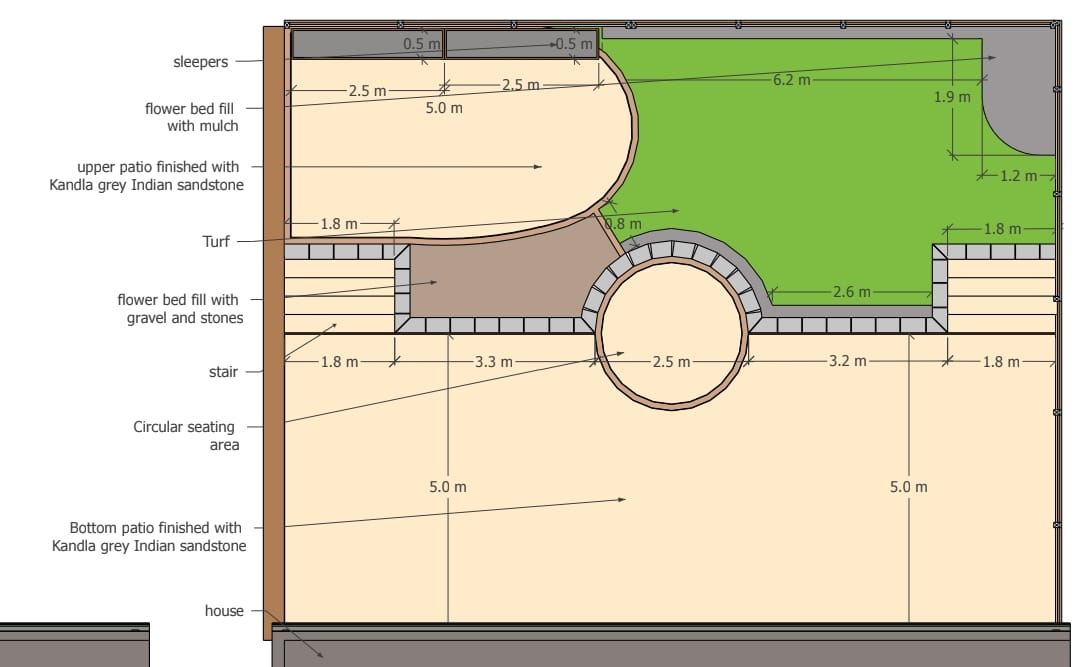
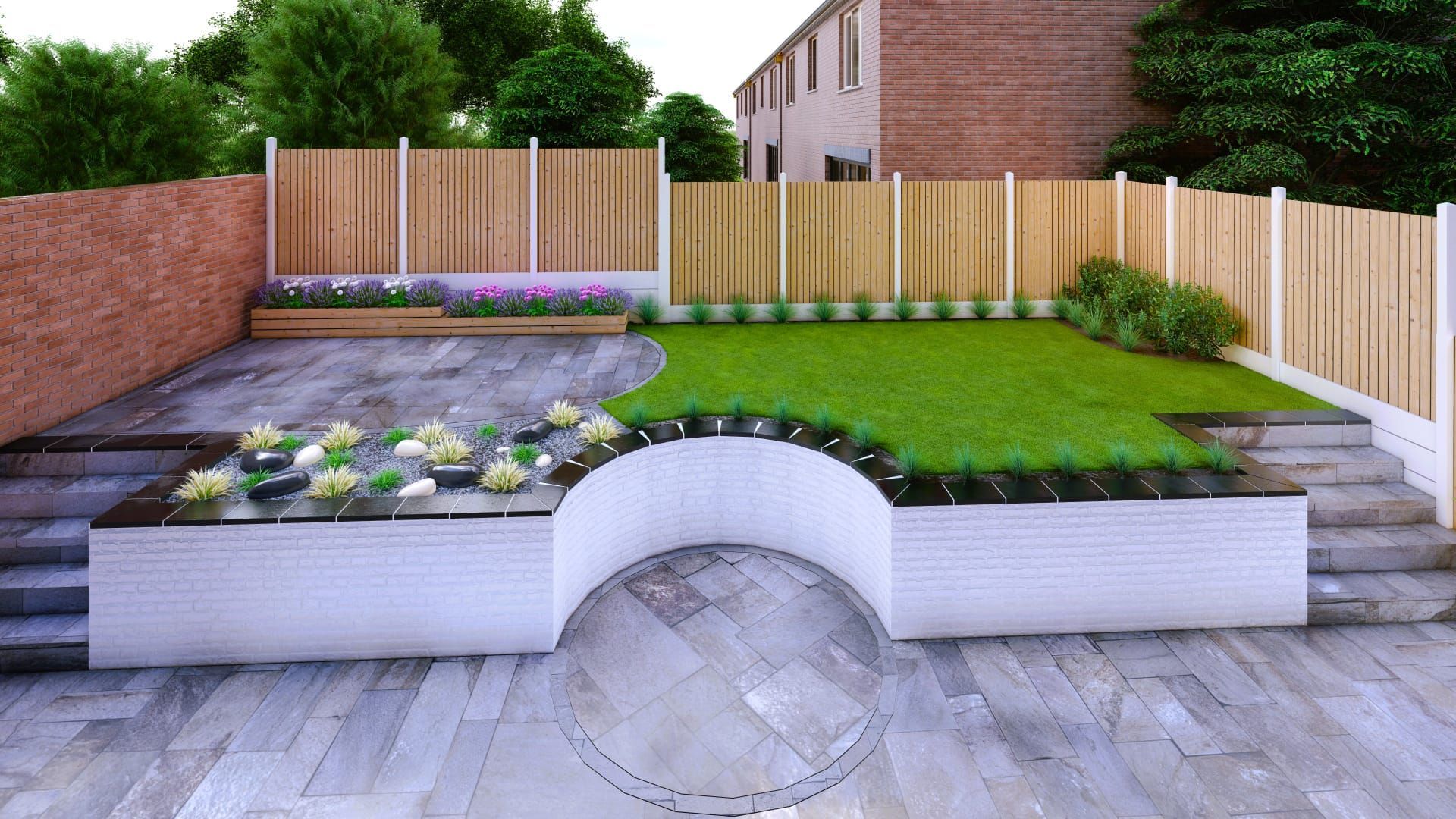
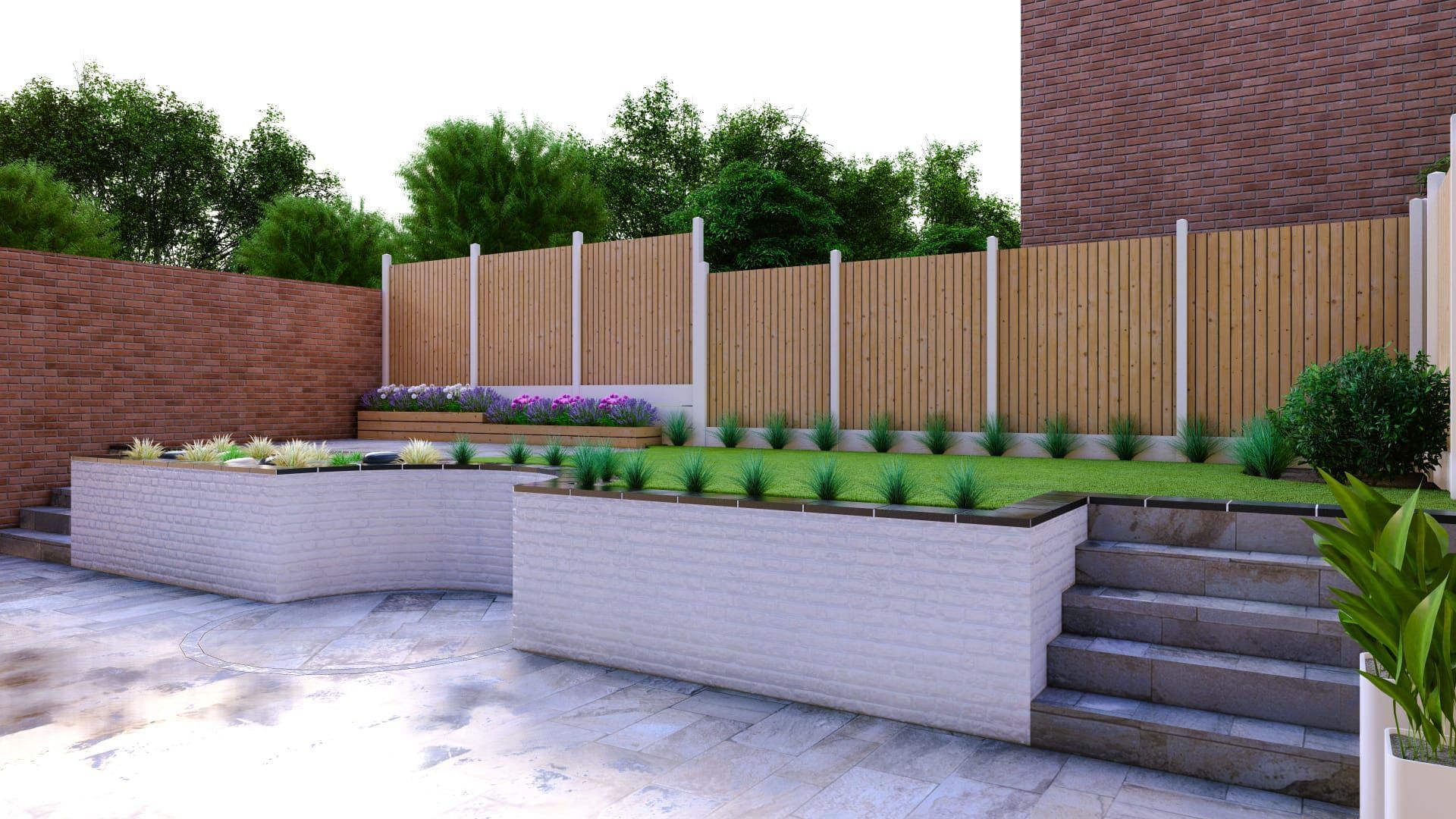
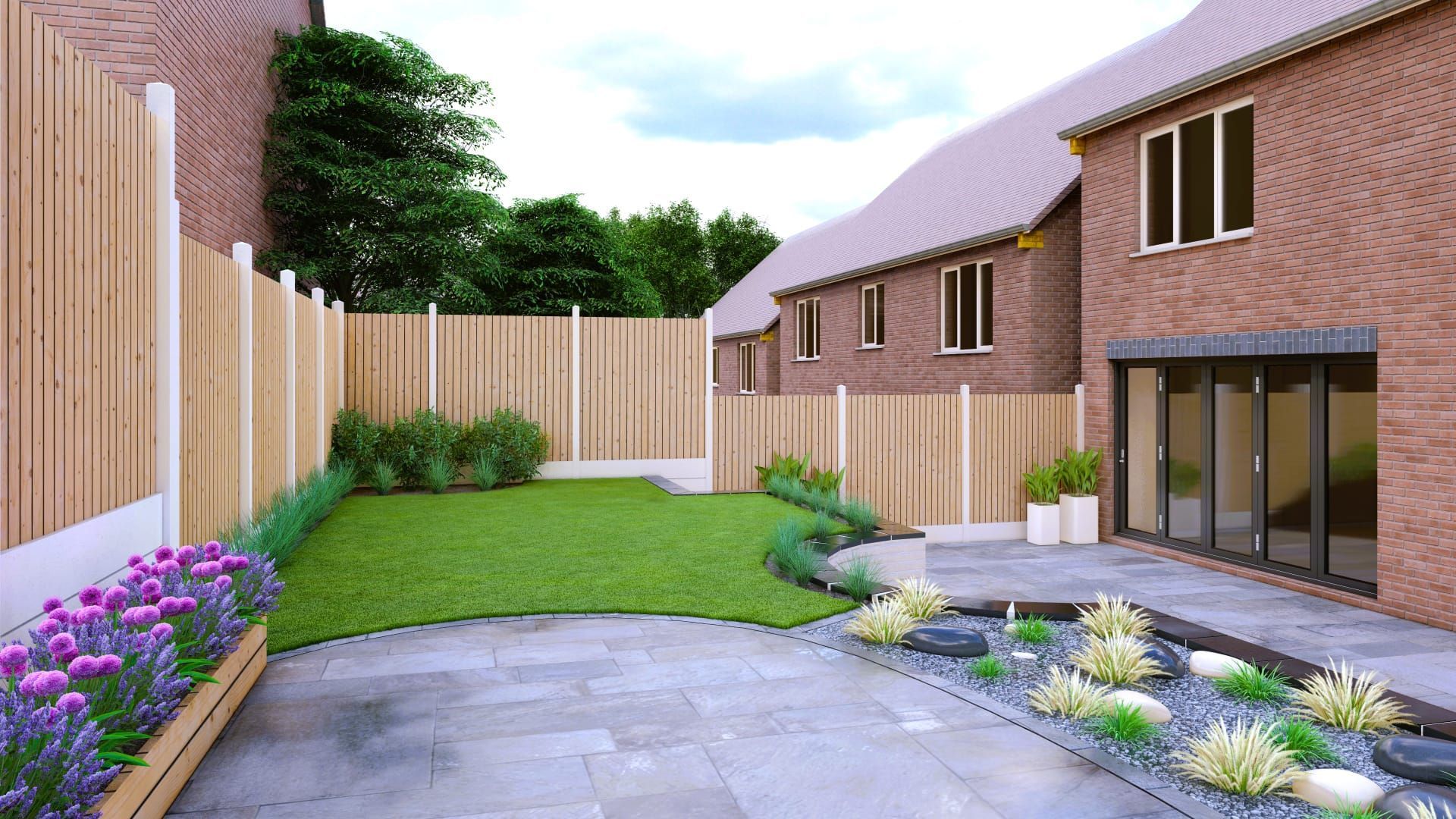
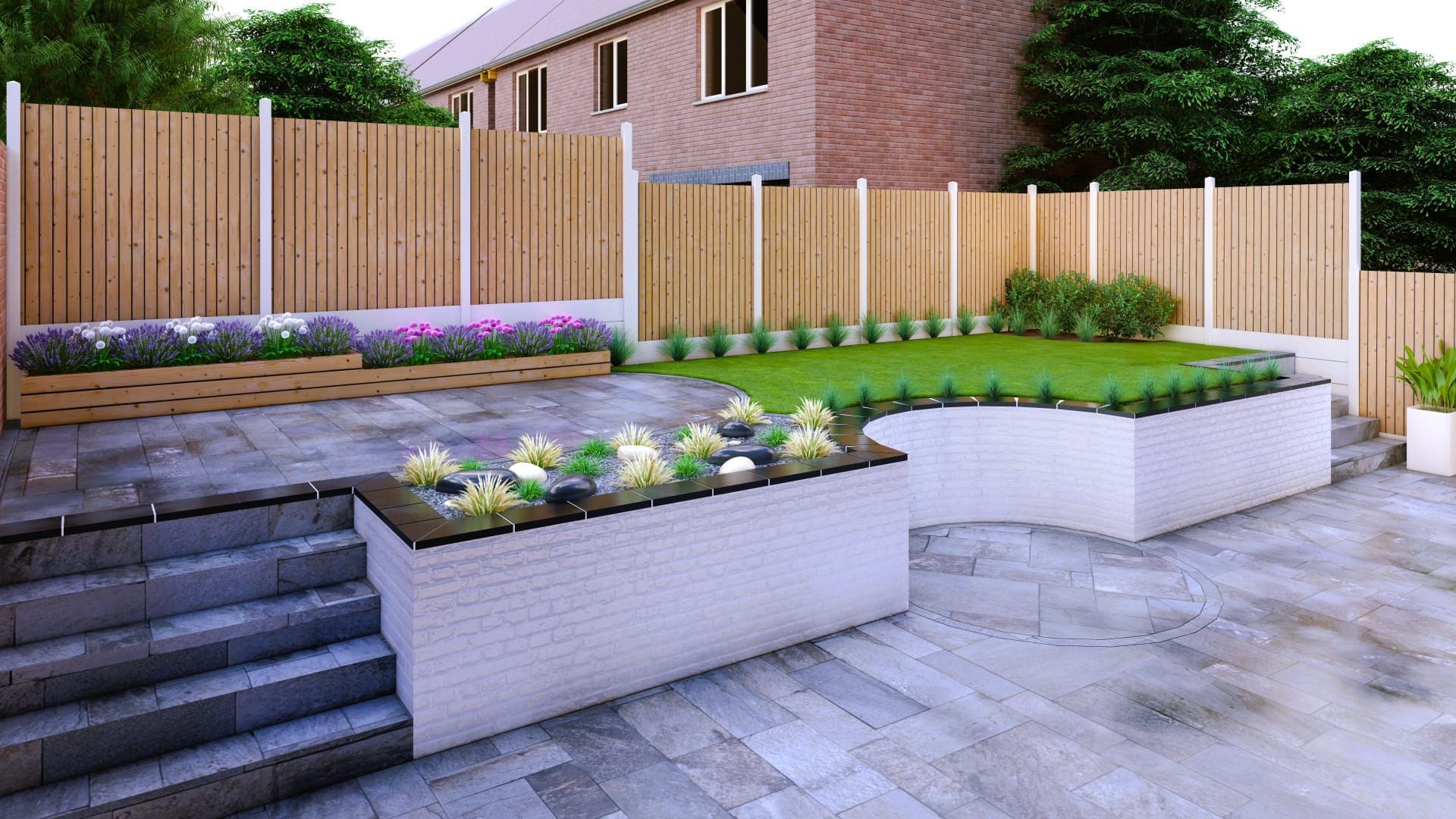
Different garden styles demand different levels of involvement and suit different ways of living. Contemporary gardens typically prioritize outdoor living spaces with generous paving or decking for furniture, built-in seating, and outdoor kitchens. They're designed for entertaining, relaxation, and easy care. If you see your garden as an outdoor room for hosting summer barbecues rather than a place to nurture plants, contemporary design aligns with that vision.
Traditional English gardens, by contrast, celebrate seasonal change through herbaceous borders that require regular attention. They reward hands-on gardeners who enjoy deadheading, dividing plants, and observing how perennials develop through the year. If pottering around your borders on Saturday mornings sounds appealing rather than tedious, traditional style might suit you perfectly.
Japanese gardens create contemplative spaces where every element invites observation—water flowing over stone, light filtering through Acer leaves, carefully placed rocks suggesting mountain landscapes. They suit people seeking peaceful retreats from busy lives, though they require specialist pruning knowledge and understanding of plant placement principles.
Your maintenance capacity matters enormously. Contemporary gardens using porcelain paving, composite decking, and architectural planting need perhaps two hours monthly once established. Traditional herbaceous borders demand six or more hours weekly during growing season—cutting back, staking, deadheading, weeding, dividing. Choose style based on honest assessment of time you'll actually spend, not aspirational ideas of becoming a keen gardener if only you had a beautiful space.
Matching Design Style to Your Property Architecture
Your property's architecture provides strong clues about which garden styles will create harmony rather than visual conflict. Modern new-build homes with render, large windows, and clean lines naturally suit contemporary garden design. The geometric layouts, large-format paving, and minimalist planting echo the property's architectural language. Traditional cottage gardens against these properties can look oddly mismatched—like wearing Victorian costume with modern trainers.
Victorian and Edwardian properties across Coventry and Warwickshire complement traditional and cottage garden styles beautifully. The brickwork, sash windows, and period details connect with natural stone paving, herbaceous borders, and romantic planting schemes. These properties have the architectural weight to balance abundant planting without looking overwhelmed.
1930s semi-detached homes—common throughout the Midlands—offer versatility. Their modest architectural detail means they work with most styles. Contemporary designs bring them into the 21st century. Traditional approaches honor their heritage. We've successfully created both around these properties depending on owner preference.
Bungalows typically benefit from low-maintenance contemporary or Japanese designs. Their single-storey profile can look dominated by tall herbaceous borders, but clean lines and horizontal emphasis in contemporary or Japanese styles create balanced proportions.
Don't force mismatched styles just because you love a particular aesthetic. A stark ultra-modern design can make a beautiful Victorian property look confused. An overly fussy cottage garden can overwhelm a sleek new-build. Our design consultation process helps identify which styles authentically suit your property, creating gardens that look like they belong rather than additions that fight their surroundings.
Contemporary Garden Design: Clean Lines and Modern Living
Contemporary garden design dominates our projects at DNA Landscapes, particularly across newer developments in Coventry. This style prioritizes functionality, low maintenance, and outdoor living spaces that feel like genuine extensions of your home. Rather than viewing gardens as planted borders requiring constant attention, contemporary design treats outdoor space as additional rooms for relaxing, entertaining, and enjoying with minimal upkeep.
The appeal is straightforward. Busy professionals and young families want gardens that look immaculate without weekend-consuming maintenance. They want defined spaces for dining, lounging, and children's play. They want materials that stay beautiful through British weather without annual treatments or replacements. Contemporary design delivers all of this through smart material choices, restrained planting, and bold architectural features.
Key Features of Contemporary Gardens
Contemporary gardens rely on strong structural elements that provide year-round interest regardless of season:
Geometric layouts: Everything follows clean lines—rectangular lawns, straight pathways, defined planting zones with crisp edges. Curves appear occasionally but always as deliberate design features, not apologetic softening of hard lines. The geometry creates order and makes spaces feel larger through visual clarity.
Minimalist planting: Instead of packed borders with dozens of plant varieties, contemporary gardens use architectural plants in repeated blocks. Three large Miscanthus grasses make more impact than fifteen different perennials competing for attention. Ornamental grasses, phormiums, and structural evergreens provide texture without maintenance intensity.
Multi-functional spaces: Contemporary design integrates everything you need for outdoor living. Built-in seating emerges from rendered walls. Outdoor kitchens sit flush with entertaining areas. Storage boxes double as additional seating. Fire pits create focal points that extend garden use into cooler months. Every element serves purpose.
Bold materials: Large-format porcelain paving (900x600mm or bigger) creates expansive, seamless surfaces. Composite decking in anthracite or grey provides wood aesthetics without wood maintenance. Rendered walls painted in contemporary colours (anthracite, light grey, white) reflect light and create clean backdrops. Materials make statements rather than disappearing into planting.
Dramatic lighting: Contemporary gardens transform at dusk through thoughtful lighting design. Uplighting highlights specimen trees and architectural plants. LED strips concealed under decking edges or bench seats create atmospheric glow. Wall-mounted features illuminate pathways safely while adding design interest. Lighting extends usable hours and creates completely different evening character.
Water features: When contemporary gardens include water, it appears as architectural features—linear rills flowing along walls, geometric ponds with crisp edges, modern water walls creating sound and movement. Nothing rustic or naturalistic—water becomes sculpture.
Materials That Define Contemporary Style
Material choices make or break contemporary design. Every surface needs consideration for how it contributes to the overall aesthetic.
Paving choices:
Large-format porcelain slabs have become the contemporary standard. We install mostly 900x600mm or 1200x600mm formats in neutral tones—Kandla Grey remains our most requested, followed by Pearl Grey, Black Limestone effect, and Manhattan Grey. These sizes create fewer joints, making spaces feel more expansive and minimizing maintenance (fewer gaps for weeds or dirt accumulation).
The beauty of porcelain lies in consistency. Natural stone varies between batches—what looks perfect in a sample might arrive slightly different in your delivery. Porcelain delivers exactly what you see. It's also non-porous, so red wine spills, barbecue grease, and autumn leaf stains wash away without permanent marking. Natural stone requires sealing and careful maintenance; porcelain stays pristine with simple cleaning.
Smooth finishes work better than riven textures for contemporary aesthetics. Riven surfaces suggest natural stone and traditional styling. Smooth slabs with subtle texture for grip maintain the clean contemporary look while preventing slips in wet conditions.
See our complete guide to paving material comparisons for detailed breakdowns of porcelain versus natural stone options.
Decking options:
Composite decking has revolutionized contemporary gardens. Ten years ago, timber was your only realistic choice. Now, composite boards deliver wood aesthetics without wood problems—no annual staining, no splinters, no warping or cracking, no fading to grey.
We install composite in anthracite, grey, and walnut tones most frequently. Anthracite creates dramatic contrast against light-coloured paving. Grey offers versatility and complements most property colours. Walnut provides warmth while maintaining contemporary feel.
Concealed fixing systems matter enormously for authentic contemporary appearance. Visible screws spoil the clean aesthetic. Quality composite systems use hidden clips that secure boards while creating seamless surfaces. We also integrate LED strip lighting between deck boards, creating stunning evening ambience with no visible fixtures.
Explore our composite vs timber decking guide for cost comparisons and longevity analysis.
Boundary treatments:
Fencing makes or breaks contemporary gardens because it's such a dominant visual element. Composite fencing panels in black, grey, or walnut match decking and create cohesive schemes. These panels need virtually no maintenance beyond occasional cleaning—no staining, painting, or treatment required.
Rendered block walls painted in contemporary colours offer another excellent option. We build block walls, render smooth, and paint in colours matching your overall scheme. Anthracite creates bold, dramatic boundaries. Light grey reflects light and makes spaces feel bigger. White delivers classic contemporary elegance. Rendered walls cost more upfront than fencing but last decades with minimal maintenance.
Horizontal slatted screens—timber or composite—provide partial screening while maintaining airiness. We use these to divide zones within gardens (separating utility areas from entertaining spaces) or create privacy without completely blocking views and light.
Contemporary Garden Planting Schemes
Contemporary gardens use plants as living sculpture rather than filling every available space with colour and variety. The approach is "less is more"—fewer varieties, planted in bolder groups, creating stronger visual impact.
Architectural plants provide structure and year-round presence:
Phormiums (New Zealand flax) deliver sword-like foliage in burgundy, bronze, or variegated colours. They're evergreen, drought-tolerant once established, and need virtually no maintenance beyond removing dead leaves annually. We plant them as statement features in gravel beds or large containers.
Cordylines add tropical feel with palm-like foliage. They provide height (eventually reaching 2-3 meters) and work brilliantly as focal points. Protect them during harsh winters in Coventry with fleece wrapping.
Bamboo creates movement and screening but needs careful variety selection. Fargesia species clump rather than spreading aggressively—crucial for avoiding bamboo taking over your garden. We use Fargesia murielae or nitida for screening where you want height and privacy without maintenance nightmares.
Ornamental grasses bring texture, movement, and seasonal interest:
Miscanthus varieties provide height (1.5-2 meters), graceful flowers in late summer, and beautiful winter structure when left standing. Miscanthus sinensis 'Gracillimus' offers fine foliage and elegant form.
Stipa tenuissima (Mexican feather grass) creates soft, flowing masses that move in the slightest breeze. Plant in drifts of 5-9 for impact. Trim back hard in early spring.
Calamagrostis 'Karl Foerster' delivers upright structure with feathery plumes from June through winter. Reliable, low-maintenance, and looks spectacular in repeated blocks.
Structural evergreens maintain garden bones through winter:
Box balls (or Ilex crenata balls as box blight alternative) provide geometric shapes in contemporary schemes. We use them in groups of three or five in gravel beds or as container specimens flanking entrances.
Cloud-pruned specimens—carefully shaped evergreens suggesting clouds—add Japanese influence to contemporary designs. These require specialist pruning twice yearly but create stunning sculptural features.
Seasonal colour from perennial blocks adds interest without high maintenance:
Echinacea (coneflowers) in white or pink varieties provide months of summer colour. Plant in blocks of 7-15 for impact rather than dotting singly.
Rudbeckia (black-eyed Susan) delivers reliable yellow daisies from July through September. Tough, easy, effective.
Salvias in purple, blue, or white varieties offer long flowering and attract pollinators. 'Caradonna' provides deep purple spikes that complement contemporary schemes beautifully.
The key principle: limited plant palette, bold numbers. Five different plants used in groups of 5-9 creates more impact than twenty different varieties planted individually.
Is Contemporary Design Right for Your Garden?
Contemporary style suits specific situations and personalities. It's not universally appropriate despite its current popularity.
Contemporary design works brilliantly if you:
Want outdoor living space rather than traditional gardening. If your ideal Saturday involves hosting friends on your patio with a glass of wine rather than deadheading roses, contemporary delivers the functional spaces you'll actually use.
Have modern new-build properties. Contemporary garden design creates natural harmony with contemporary architecture, making the transition from house to garden feel seamless.
Value low maintenance highly. Once established, contemporary gardens using quality materials and restrained planting need minimal attention—perhaps two hours monthly for basic upkeep.
Prefer clean, ordered spaces. If visual clutter stresses you and you appreciate minimalist interiors, contemporary garden design extends that aesthetic outdoors.
Have young families needing defined play areas. Contemporary designs excel at creating separate zones—play areas with artificial grass or rubber surfacing, adult entertaining spaces with quality paving, storage integrated throughout.
Consider alternative styles if you:
Love abundant planting and constant seasonal change. Contemporary's restrained planting palette can feel cold or sparse to keen gardeners who want packed borders and continuous colour.
Own traditional period properties. While not impossible, contemporary gardens can clash visually with Victorian or Edwardian architecture. Softened contemporary or traditional styles often suit these properties better.
Have very small spaces (under 30m²). Contemporary design can feel harsh at tiny scale where every element is immediately visible. Cottage or informal styles sometimes work better for creating cosy small-garden atmosphere.
Budget considerations:
Contemporary gardens represent higher initial investment than some alternatives. Porcelain paving costs considerably more than basic concrete slabs. Composite decking outstrips timber pricing. Quality composite fencing exceeds standard timber panel costs.
However, lifetime cost analysis changes the picture. Porcelain never needs sealing or replacement. Composite decking requires no staining or treatment. Quality materials last decades without degradation. Factor in fifteen years of ownership, and contemporary materials often prove more economical than cheaper alternatives needing regular maintenance and eventual replacement.
We help clients understand these trade-offs during design consultations, showing material samples and discussing realistic budgets for achieving authentic contemporary aesthetics versus compromised versions using unsuitable cheaper materials.
Traditional English Garden Design: Timeless Elegance
Traditional English gardens never go out of style. Across Warwickshire's period properties and established Coventry neighbourhoods, we create gardens that honour architectural heritage while incorporating modern comfort and functionality. This style celebrates the changing seasons, rewards hands-on gardening, and creates outdoor spaces with genuine character that improves with age.
Where contemporary design seeks to minimize maintenance and maximize clean surfaces, traditional gardens embrace abundance. They're about layered planting that evolves through the year, natural materials that weather beautifully, and the satisfaction of nurturing living spaces. If you love the idea of cutting fresh roses for the kitchen table, watching perennial borders develop through seasons, and having a garden that provides genuine hobby interest, traditional design delivers these pleasures.
The traditional approach suits people who view gardening as enjoyment rather than chore. It's perfect for those who appreciate visiting National Trust properties and want to capture some of that timeless elegance at domestic scale. It works brilliantly with Victorian, Edwardian, and older properties where contemporary design would create jarring contrast.
Characteristics of Traditional Garden Style
Traditional English gardens follow principles developed over centuries, adapted to work within the constraints of typical residential plots while maintaining authentic character.
Curved borders: Traditional gardens avoid harsh straight lines in planting areas. Borders sweep in gentle curves that lead the eye around the space, creating journey and discovery rather than revealing everything at once. Even in rectangular plots, curved lawn edges and sinuous pathways soften geometry and feel more naturalistic.
Mixed planting: Traditional borders layer plants by height, texture, and flowering season. Tall delphiniums and hollyhocks rise at the back. Mid-height roses, salvias, and geraniums fill the middle ground. Low nepeta, alchemilla, and lavender edge the front. This creates depth and ensures something's always performing through the growing season.
Natural materials: Traditional design favors materials that age gracefully. York stone develops attractive patina. Reclaimed brick weathers to mellow tones. Timber structures grey naturally or take traditional stains. Nothing looks too pristine or manufactured—materials should suggest permanence and authenticity.
Focal points: Traditional gardens incorporate classic ornamental features—sundials positioned where pathways intersect, stone birdbaths attracting wildlife, traditional terracotta urns planted with seasonal displays. These punctuation points give the eye places to rest and create structure within abundant planting.
Lawn as centrepiece: In traditional design, lawn typically occupies the garden centre, surrounded by planted borders. The green expanse provides visual calm between busy borders and creates functional space for relaxing or playing. Lawn quality matters—traditional gardens showcase well-maintained turf rather than wild meadow aesthetics.
Layered seasonal interest: Traditional planting provides changing displays through the year. Spring bulbs give way to early perennials, building to peak summer abundance, transitioning through autumn colour, and leaving attractive seed heads and evergreen structure for winter. This constant evolution rewards regular observation and involvement.
Traditional Hard Landscaping Elements
The materials you choose for pathways, patios, and structures fundamentally affect whether your traditional garden feels authentic or merely attempts traditional styling with inappropriate modern materials.
Pathways:
Reclaimed brick creates the most authentic traditional pathway aesthetic. We lay bricks in herringbone or basketweave patterns that reference historical garden design while providing stable, attractive surfaces. Reclaimed bricks vary in colour—weathered reds, oranges, and browns—creating characterful pathways that look established immediately.
York stone delivers classic elegance. This natural sandstone develops beautiful lichen growth over time, enhancing rather than detracting from appearance. We lay York stone in random patterns where slab sizes vary, creating natural, unstudied looks. Avoid perfectly regular layouts—they feel too formal for typical traditional gardens.
Gravel pathways bordered with timber or stone edging offer cost-effective traditional options. Use honey-coloured or warm brown gravels rather than stark white—they suit traditional aesthetics better. Edge with treated timber boards or brick to prevent gravel migrating into lawns and borders.
Patios:
Traditional patios use natural stone in varied sizes and colours. Indian sandstone in autumn brown, golden fossil, or Raj green tones provides affordable natural stone with attractive variation. We lay in random patterns where each slab differs in size, creating organic appearance.
Weathered appearance works better than pristine finishes. Riven surfaces with natural texture suit traditional gardens more than smooth, contemporary finishes. Natural stone patios integrate beautifully with planting—we often allow low-growing plants to soften edges, making patios feel like they've been there for decades.
Position and proportion matter enormously. Traditional patios typically sit immediately adjacent to the house, sized for furniture and entertaining but not dominating the garden. They're starting points for exploring the garden rather than destinations that consume most available space.
Structures:
Timber pergolas and arbours create vertical interest and support climbing plants. We build these from substantial timber posts and crossbeams, treating them with traditional wood stains (oak, mahogany tones) or leaving to weather naturally. Avoid overly delicate structures or contemporary metal alternatives—they don't suit traditional aesthetics.
Traditional fencing includes several authentic options. Closeboard fencing (vertical overlapping boards on sturdy frames) provides privacy and longevity. Post-and-rail fencing suits front gardens or boundaries where you want openness. Picket fencing creates cottage-garden charm for front gardens. All work in traditional schemes when properly constructed and finished.
Garden walls in brick or natural stone represent premium traditional boundaries. They're expensive initially but last lifetimes and create beautiful backdrops for climbing plants. Brick walls built to match property brickwork create visual cohesion. Natural stone walls suit rural Warwickshire properties particularly well.
Learn more about garden wall materials and styles suitable for traditional designs.
Classic Planting for Traditional Gardens
Traditional garden planting follows the English cottage garden and herbaceous border traditions—abundant, layered, providing constant interest through the growing season.
Create seasonal interest throughout the year:
Spring bulbs and early perennials:
Tulips in every colour imaginable provide April and May drama. Plant them in drifts through borders rather than regimented rows. Mix varieties with different heights and flowering times for extended display.
Daffodils naturalize beautifully, increasing yearly to create ever-larger drifts. Plant them in grass or at border backs where emerging perennials will hide dying foliage.
Bluebells (English native species, not Spanish thugs) create carpets under deciduous shrubs or trees. They spread gradually, enhancing rather than overwhelming.
Primroses in soft yellows and pinks edge pathways and fill gaps between emerging perennials. They self-seed gently, creating natural colonies.
Summer abundance:
Roses anchor traditional gardens. Repeat-flowering varieties provide months of blooms rather than single June flush. David Austin English roses combine old-rose appearance with modern repeat-flowering—'Gertrude Jekyll' (pink), 'Graham Thomas' (yellow), and 'The Generous Gardener' (pale pink) perform beautifully across Coventry.
Delphiniums deliver classic cottage-garden height with spikes in blues, whites, and purples reaching 1.5-2 meters. They need staking but create unmistakable traditional character.
Lupins provide structural spikes in every colour. They're short-lived perennials (3-4 years typically) but reliable and easy from seed if you want to maintain displays.
Foxgloves (Digitalis) self-seed throughout borders, creating vertical accents wherever they appear. Biennial habit means they flower in their second year, then seed and die—but seedlings continually replace them.
Lavender edges pathways and borders with silvery foliage and purple flowers beloved by bees. Trim after flowering to maintain compact shape.
Autumn continuation:
Asters (Michaelmas daisies) provide late-season colour when many perennials have finished. Purple, pink, and white varieties bloom September through October.
Sedums offer fleshy foliage through summer, then pink flower heads in August-September that age to attractive russet tones held through winter.
Ornamental grasses like Miscanthus and Calamagrostis provide movement and structure that looks increasingly beautiful through autumn and winter.
Late-flowering perennials such as Japanese anemones, rudbeckia, and echinacea extend colour well into autumn.
Winter structure:
Evergreen framework from box, yew, and holly maintains garden bones when herbaceous plants die back. We position these strategically to provide structure visible from main windows.
Seed heads left standing through winter create frost-catching architecture and provide food for birds. Echinacea cones, sedum plates, and grass plumes all earn their space in winter gardens.
Border structure principles:
Traditional herbaceous borders follow height rules—tall plants at the back graduating to low edgers at the front. This maximizes visibility and prevents smaller plants disappearing behind taller neighbours.
Shrub roses provide permanent woody structure within borders, preventing the bare-earth look of purely herbaceous schemes in winter and early spring.
Climbers trained on walls, fences, and pergolas add vertical dimension. Clematis varieties provide flowers from spring through autumn. Honeysuckle offers scent and attracts wildlife. Wisteria creates breath taking late-spring displays on sunny walls.
Bulbs planted through borders emerge through gaps between perennials, providing early-season interest before main players develop. Alliums provide architectural presence in May and June.
Adapting Traditional Design for Modern Living
You can achieve traditional aesthetics while accommodating modern lifestyle realities. Traditional gardens don't require abandoning contemporary comfort or dedicating every weekend to maintenance.
Combining tradition with functionality:
Traditional materials and planting can frame contemporary outdoor living spaces. Natural stone patio using traditional laying patterns accommodates modern furniture and outdoor kitchens. Pergola built in traditional style incorporates outdoor heaters and lighting. The result honours traditional aesthetics while delivering modern functionality.
Reducing maintenance intensity:
Full-depth traditional herbaceous borders (3 meters deep) demand significant seasonal work. Reduce depth to 1.5 meters—you maintain the layered look with half the planting area to maintain.
Increase shrub proportion relative to herbaceous perennials. Shrubs provide structure with less seasonal cutting back, staking, and dividing. Well-chosen shrubs offer flowers, berries, autumn colour, and winter structure with minimal intervention.
Use contemporary solutions in hidden areas. Artificial grass in children's play zones or difficult shaded corners reduces lawn care without affecting main garden aesthetic. Position these pragmatically where traditional purists won't obsess over them.
Simplified traditional approach:
Plant fewer perennial varieties in larger blocks rather than traditional mixed tapestry. This simplifies maintenance—you're dealing with five different plants instead of twenty-five—while maintaining abundant planted feel.
Choose reliable, lower-maintenance perennials over high-maintenance classics. Geraniums (cranesbill) instead of delphiniums. Salvias instead of lupins. These still deliver traditional garden feel with reduced staking, deadheading, and replacement requirements.
Use gravel mulches in borders to suppress weeds and reduce watering needs. Natural gravels in warm tones suit traditional aesthetics while significantly cutting border maintenance time.
Maintenance reality check:
Traditional gardens with full herbaceous borders require regular commitment—perhaps four to six hours weekly during growing season. Spring and autumn involve significant work sessions preparing borders, cutting back, dividing congested plants, and seasonal clean-up.
If you genuinely enjoy gardening, this time investment brings pleasure rather than burden. Many of our traditional garden clients specifically want gardens that provide ongoing hobby interest. They love the physical work, observing plant development, propagating favourites, and trying new varieties.
If you prefer lower involvement, choose simplified traditional approaches with more shrubs, less perennial depth, and pragmatic material choices that deliver traditional appearance without intense maintenance demands.
Japanese Garden Design: Creating Zen and Tranquillity
Japanese garden design has grown enormously popular in Coventry as homeowners seek peaceful retreats from busy lives. These gardens prioritise contemplation, natural materials, and carefully composed views—quite different from traditional English abundance or contemporary outdoor living focus. Every element serves purpose, inviting observation and creating atmosphere that encourages slowing down and being present.
The appeal lies in Japanese gardens' ability to suggest larger natural landscapes within confined spaces. A carefully positioned rock represents a mountain. Raked gravel symbolises flowing water. A winding path creates journey and discovery. These aren't literal representations but evocations that engage imagination and create meditative experiences.
Japanese design requires different mindset from Western gardening traditions. It's not about filling space with colour or creating outdoor rooms for entertaining. It's about balance, restraint, and celebrating natural materials' inherent beauty. Done well, Japanese gardens provide year-round interest through structure and form rather than relying on seasonal flowering. Done poorly, they become collections of stereotypical elements—stone lanterns and bamboo—lacking the underlying principles that make authentic Japanese gardens so compelling.
Core Principles of Japanese Garden Design
Understanding Japanese garden philosophy helps create authentic designs rather than superficial styling exercises using Oriental ornaments.
Ma (negative space):
Empty space holds equal importance to planted or built elements. Western gardens often fill every available area with plants, paving, or features. Japanese design embraces emptiness—gravel expanses, still water surfaces, open areas that let eye rest and mind settle. This principle challenges typical British garden instincts but creates the calm atmosphere characteristic of successful Japanese gardens.
Asymmetry and natural balance:
Japanese gardens avoid formal symmetry. Instead, they seek natural balance—three rocks of different sizes positioned to create visual equilibrium without mirroring. Odd numbers (3, 5, 7) appear throughout—plant groupings, stone arrangements, stepping stone placement. This reflects nature's asymmetric growth patterns and feels more organic than formal geometric arrangements.
Simplicity and restraint:
Every element requires justification. Nothing decorative appears without purpose. This doesn't mean Japanese gardens lack beauty—quite opposite. By eliminating unnecessary elements, remaining features gain significance and visual power. One perfectly positioned specimen Acer provides more impact than a dozen competing shrubs.
Natural materials exclusively:
Authentic Japanese gardens use stone, wood, gravel, bamboo, and water—materials that age gracefully and connect to natural landscapes. Avoid concrete, plastic, or obviously manufactured materials. Even modern Japanese garden designers working in urban Tokyo maintain this principle, proving it's about material choice rather than rural nostalgia.
Miniaturisation and suggestion:
Japanese gardens compress and symbolise larger landscapes. A small mound suggests distant mountains. A pond represents vast lake. Carefully pruned pine evokes ancient windswept trees clinging to coastal cliffs. This technique allows domestic gardens to evoke powerful natural scenes without requiring enormous space.
Borrowed scenery (shakkei):
Good Japanese garden design incorporates views beyond garden boundaries—church spires, mature trees in neighbouring gardens, distant hills. We position key viewing points to include these borrowed elements, making gardens feel larger and more connected to wider landscape.
Essential Elements: Water, Stone, and Plants
Japanese gardens traditionally combine three fundamental elements—each requiring careful consideration for authentic results.
Water features:
Still ponds form contemplative centres in many Japanese gardens. Water surface reflects sky, surrounding plants, and creates mirror world that shifts with light and weather. Koi or goldfish add movement and colour while maintaining tranquil atmosphere. Pond edges should appear natural—large rocks positioned to suggest natural water margins, avoiding neat geometric edges.
Tsukubai (stone water basins) provide traditional focal points. Originally used for ritual hand-washing before tea ceremonies, they now serve as sculptural features with gentle water sound. Authentic tsukubai combine several carved stones—basin, water-supply rock, and front stone for standing. We source these from specialist suppliers—cheap garden centre versions rarely achieve authentic appearance.
Small streams with gentle flow over pebbles create soothing sound whilst suggesting mountain water courses. Stream beds require proper construction—waterproof membrane, careful stone placement, and appropriate pump sizing to achieve natural flow rather than artificial gushing.
Critical point: Water should appear natural, never forced or artificial. Avoid fountains shooting water upwards, elaborate spillways, or anything suggesting human engineering rather than natural occurrence.
Explore our garden water features guide for creating authentic Japanese water elements.
Stone placement:
Stone selection and positioning separates authentic Japanese gardens from superficial attempts. In traditional Japanese design, stones represent mountains, islands, or natural outcrops—each carefully chosen for shape, colour, and character.
Large statement rocks function as sculptural elements. We position these as garden focal points, often near water features or at pathway terminations. The most important stone (called "guardian stone" in Japanese tradition) typically goes in first, establishing scale and character for surrounding elements.
Stepping stones create pathways across gravel or through planted areas. Spacing matters—too close feels fussy, too far becomes impractical. Traditional spacing allows comfortable stride whilst encouraging mindful walking rather than hurried passage.
Stone lanterns (tōrō) must be chosen carefully. Authentic antique lanterns cost thousands and rarely suit domestic British gardens. Well-designed contemporary lanterns inspired by traditional forms work better than cheap concrete garden centre versions. Position them purposefully—near water features, at pathway junctions, or where they illuminate evening views—rather than scattering randomly.
Gravel provides ground plane throughout Japanese gardens. We use neutral colours—greys, browns, warm tans—rather than stark white. Gravel gets raked into patterns representing water flow or waves. This requires commitment—raked patterns need weekly attention to maintain appearance and prevent leaves or debris spoiling effects.
Plant selection:
Japanese garden planting emphasises form, texture, and year-round structure over seasonal flower colour.
Acers (Japanese maples):
These provide the signature plant for Japanese-style gardens across the UK. Dozens of varieties offer different leaf shapes, colours, and growth habits. Acer palmatum 'Sango-kaku' delivers coral winter bark and butter-yellow autumn colour. Acer palmatum 'Bloodgood' provides deep purple foliage spring through autumn. Acer palmatum dissectum varieties offer cascading form perfect for pond edges.
Acers need protection from late spring frosts (which damage emerging leaves) and prefer dappled shade rather than full sun exposure. They're slow-growing, which suits Japanese aesthetic but requires patience or investing in larger specimens.
Bamboo:
Bamboo creates screening, movement, and authentically Japanese atmosphere. However, species selection matters enormously. Running bamboos spread aggressively through underground rhizomes, popping up metres from original planting and invading neighbouring gardens. We only plant clump-forming species (Fargesia varieties) that slowly expand without invasive spread.
Fargesia murielae grows to 3-4 metres, providing excellent screening with delicate foliage that rustles in breeze. Fargesia nitida offers similar height with purple-tinged canes. Both tolerate British climate well and require minimal maintenance beyond removing dead canes annually.
Even clumping bamboo needs root barrier installation if planted near boundaries—provides insurance against any potential spread whilst being neighbourly.
Pines and evergreens:
Traditional Japanese gardens feature cloud-pruned pines (niwaki) where branches are trained into horizontal layers suggesting clouds. Creating authentic niwaki requires specialist pruning knowledge and years of training. We work with specialist growers who supply pre-shaped specimens, though these represent significant investment.
More practical alternatives include slow-growing conifers like Pinus mugo (mountain pine) or small-scale evergreens that naturally develop interesting forms without intensive pruning.
Azaleas and camellias:
These evergreen shrubs provide structure plus seasonal flowers. Azaleas deliver masses of blooms in April-May—keep to simple colours (whites, pinks, soft purples) rather than garish oranges and reds. Camellias flower in late winter through spring, offering glossy evergreen foliage year-round.
Moss and ground covers:
Moss carpets create the ultimate Japanese garden ground plane—soft, green, ancient-looking. Unfortunately, British lawn obsession (and moss-killing chemicals) makes establishing moss difficult. It requires acidic soil, shade, and moisture. Where conditions suit, moss develops naturally. Where they don't, forcing it becomes frustrating.
Alternatives include mind-your-own-business (Soleirolia soleirolii), which creates similar soft green carpet in shaded areas, or fine-leaved ground covers like Sagina subulata.
Ornamental grasses:
Miscanthus and Hakonechloa provide texture and movement suited to Japanese aesthetics. Hakonechloa macra 'Aureola' offers golden cascading foliage perfect for shaded areas. Miscanthus varieties provide height, flowers, and attractive winter structure.
Japanese Garden Styles for UK Climate
Three main Japanese garden types suit British conditions, each offering different character and maintenance requirements.
Karesansui (dry gardens):
These contain no water—gravel raked to represent flowing water replaces actual ponds or streams. Large rocks suggest islands or mountains emerging from seas. Planting remains minimal or absent entirely.
Dry gardens suit UK climate brilliantly—no pond maintenance, no water feature winterisation, no pumps requiring electricity. They're easiest Japanese style for British conditions whilst maintaining authentic aesthetic.
Perfect for contemplative spaces viewed from windows or conservatories. The raked gravel patterns create ever-changing artwork as you adjust them—some people find this regular maintenance meditative, others find it tedious. Know which camp you're in before committing.
Chaniwa (tea gardens):
These feature pathways leading to focal points (traditionally tea houses, but we use summer houses or simply special viewing areas). Stepping stones wind through planting, passing stone lanterns, water basins, and carefully framed views.
Tea garden style suits smaller Coventry gardens well—they're designed for intimate spaces and create journey even in compact areas. The pathway-focused design makes them practical for British use whilst maintaining Japanese aesthetic.
We often incorporate contemporary summer houses styled with Japanese influence—clean lines, natural materials, large windows framing garden views. These provide sheltered spaces for year-round garden enjoyment despite British weather.
Stroll gardens:
Larger style requiring substantial space (30+ metre garden length minimum). Paths reveal different scenes and views as you walk—passing ponds, crossing bridges, moving through varied planting zones. Each view should work as composed picture.
Stroll gardens work for substantial Warwickshire plots but prove impractical for typical suburban gardens. They need space to create journey and varied scenes. Attempting stroll garden style in small space results in cramped, ineffective design.
Maintenance Considerations for Japanese Gardens
Japanese gardens create illusion of natural tranquillity whilst requiring specific maintenance knowledge and commitment.
Realistic maintenance expectations:
Lower planting density than traditional English borders means less weeding pressure once established. Gravel mulches suppress weeds effectively. You won't spend hours deadheading or cutting back herbaceous perennials.
However, Japanese gardens demand specialist skills. Cloud pruning pines and training plant forms requires knowledge and confidence. Get it wrong and you damage expensive specimens. Many people employ specialist Japanese garden pruners annually—adds ongoing cost consideration.
Pond maintenance follows standard requirements—filtration system cleaning, algae control, autumn leaf netting. Water features need pumps cleaning and winterising. These aren't specialist Japanese requirements but standard water feature realities in British gardens.
Gravel raking in dry gardens requires weekly attention if you want maintained appearance. Leaves, seeds, and debris constantly need removing. Some people find this meditative practice; others find it becomes tedious chore.
Plant-specific challenges:
Acer varieties need protection from late frosts using horticultural fleece when forecasts predict below-zero temperatures in April or May. Emerging leaves are vulnerable and frost damage mars appearance for entire season.
Bamboo requires annual maintenance removing dead canes and keeping plants from over-thickening. Even clumping varieties slowly expand and need occasional division if they outgrow allocated space.
Some traditional Japanese plants struggle in Coventry's clay soils and variable weather. Moss establishment requires perfect conditions. Certain Acer varieties prove temperamental. We guide plant selection based on your specific site conditions rather than pursuing authenticity that leads to struggling plants.
Budget considerations:
Authentic Japanese elements represent significant investment. Quality stone lanterns cost hundreds or thousands depending on size and age. Large specimen rocks require crane delivery for proper placement. Mature cloud-pruned pines run to thousands for established specimens.
The good news: you can start with core principles—asymmetry, simplicity, natural materials—and add special features progressively. Begin with gravel areas, carefully positioned rocks, and simple planting. Add water feature in year two. Invest in special lantern or mature Acer when budget allows.
Gardens built on authentic principles feel Japanese even without expensive ornaments. Gardens collecting stereotypical elements without underlying philosophy feel like Oriental garden centres regardless of spending.
Mediterranean Garden Design: Bringing Holiday Vibes Home
Mediterranean gardens evoke memories of Italian villas and Spanish courtyards—terracotta pots overflowing with herbs, olive trees casting dappled shade, warm stone absorbing summer heat. While Coventry's climate presents obvious challenges compared to Tuscany or Provence, smart design and careful plant selection create authentic Mediterranean atmosphere that survives British winters and thrives during our increasingly warm summers.
The appeal is visceral and immediate. Mediterranean gardens connect to holiday memories and create sensory experiences—lavender scent on warm evenings, rosemary brushing against your legs as you pass, terracotta warming under your hands. They celebrate sun, warmth, and outdoor living in ways that feel optimistic and life-affirming. When British summers deliver, Mediterranean gardens come into their own, transporting you somewhere considerably further south than the Midlands.
This style suits homeowners wanting relaxed, informal gardens with strong visual character. It works beautifully for sheltered south-facing plots where warmth accumulates and drainage is reasonable. It's perfect if you love aromatic plants, enjoy container gardening, and appreciate weathered, sun-baked aesthetics over pristine contemporary finishes.
Defining Features of Mediterranean Gardens
Mediterranean style creates unmistakable character through specific visual and sensory elements that reference Southern European landscapes.
Warm colour palette:
Everything skews towards sun-baked tones. Terracotta containers in russet oranges and earthy reds. Paving in warm sandstones—ochre, honey, burnt orange tones. Painted walls in warm whites, creams, soft ochres. Avoid cool greys, blues, or stark whites—they feel wrong against Mediterranean planting and don't capture the sun-saturated atmosphere you're creating.
Sun-drenched materials:
Natural stone paving that heats in summer creates authentic feel—you want materials that radiate warmth on July evenings, not stay cold like porcelain. Sandstone and limestone work perfectly. Terracotta tiles deliver ultimate Mediterranean aesthetic though frost-susceptibility limits use in exposed locations.
Terracotta containers as architecture:
Large terracotta pots function as sculptural features, not just plant homes. We position substantial containers (60cm+ diameter) as focal points—flanking doorways, punctuating pathways, grouping in sunny corners. Authentic terracotta ages beautifully, developing lime deposits and weathered patina that enhances character.
Gravel surfaces:
Mediterranean gardens use gravel extensively—permeable, informal, cost-effective, and authentic. Warm-toned gravels (honey, gold, terracotta-tinged) suit the aesthetic far better than grey or white. Gravel provides perfect foil for structural plants and suits drought-tolerant species preferring sharp drainage.
Painted rendered walls:
White or cream rendered walls reflect light, create backdrop for planting, and reference Mediterranean vernacular architecture. We render block walls smooth and paint them using exterior masonry paint. Soft whites and warm creams work best—brilliant white can feel harsh in British light.
Pergolas and shade structures:
Overhead structures provide dappled shade essential for Mediterranean outdoor living. Timber pergolas stained in natural oak or painted white support climbing plants and create comfortable seating areas. In truly Mediterranean climates, pergolas offer relief from intense sun. They create architectural interest and framework for climbers whilst providing light shade during summer months.
Sensory elements:
Mediterranean gardens engage senses beyond vision. Aromatic plants release fragrance when brushed or crushed—lavender, rosemary, thyme, sage. Water features create gentle sound—wall fountains, simple rills, or small bubbling features. Textures contrast throughout—smooth stone, rough terracotta, silvery foliage, weathered timber.
Drought-Tolerant Plant Selection
Mediterranean plants evolved for hot, dry summers and mild winters—quite different from British cool, wet conditions. Successful Mediterranean gardens in Coventry use plants tolerating our climate whilst maintaining authentic appearance.
Core aromatic planting:
Lavender dominates Mediterranean gardens across Britain for good reason—it thrives here. Lavandula angustifolia varieties (English lavender) prove hardiest. 'Hidcote' offers deep purple flowers and compact habit perfect for edging. 'Munstead' provides slightly larger size. 'Alba' delivers white flowers for variation. Plant in full sun with excellent drainage—lavender hates winter waterlogging more than frost.
Rosemary provides evergreen structure, culinary usefulness, and beautiful blue flowers in spring. Upright varieties like 'Miss Jessopp's Upright' reach 1.5 metres, creating vertical accents. Prostrate varieties trail over walls or containers. Rosemary tolerates Coventry winters well in sunny, well-drained positions.
Thyme fills gaps between paving, spills over path edges, and releases fragrance when stepped on. Common thyme (Thymus vulgaris) provides cooking herbs. Creeping thyme varieties (Thymus serpyllum) carpet surfaces with mat-forming growth and summer flowers. All need sharp drainage and full sun.
Sage offers silvery foliage and culinary value. Common sage (Salvia officinalis) creates 60cm mounds. Purple sage (Salvia officinalis 'Purpurascens') adds colour variation. Tender salvias like Salvia leucantha need winter protection or treating as annuals.
Architectural plants:
Olive trees represent the ultimate Mediterranean garden statement. Slow-growing and long-lived, they provide year-round silver-green foliage and gnarled character. Young olives need winter protection in Coventry—wrap trunks with fleece or bring container specimens under cover during coldest months. Established olives (10+ years) tolerate brief cold snaps but suffer in prolonged freezes.
Bay trees (Laurus nobilis) offer formal topiary potential—we trim them as lollipop standards or cones. They're evergreen, aromatic, and useful for cooking. Bay tolerates Coventry winters in sheltered positions but appreciates fleece protection during harsh weather.
Agapanthus delivers architectural summer presence with strap-like foliage and spherical blue or white flower heads on tall stems. Deciduous varieties prove hardiest—they die back completely in winter, surviving cold better than evergreen types. Plant in full sun with good drainage.
Cordylines add tropical architectural feel with palm-like foliage. They're borderline hardy in Coventry—protect crowns with straw wrapped in fleece during winter, or grow in containers you can move to sheltered positions.
Mediterranean herbs throughout:
Oregano, marjoram, and winter savoury fill gaps with aromatic foliage and provide culinary harvests. These tough perennials thrive in poor, well-drained soil—perfect for gravel gardens where fussier plants struggle.
Flowering accents:
Rock roses (Cistus) deliver papery flowers in whites, pinks, and purples through summer. They're evergreen, drought-tolerant once established, and tolerate poor soil. Some varieties prove borderline hardy—Cistus × argenteus and Cistus × pulverulentus survive most Coventry winters in sheltered spots.
Ornamental grasses:
Stipa tenuissima (Mexican feather grass) provides soft, flowing movement perfect for Mediterranean schemes. Plant in drifts through gravel or between paving. It self-seeds freely—either advantage for naturalistic effect or maintenance issue depending on perspective.
Plants requiring winter protection:
Citrus trees (lemon, orange, kumquat) epitomise Mediterranean gardens but need moving under cover November through March in Coventry. Grow in containers on wheels or trolleys for easy movement. Conservatories, porches, or frost-free greenhouses provide winter homes—they need bright light and cool (but frost-free) conditions.
Tender succulents like Aeonium and Echeveria create authentic Mediterranean look but won't survive winter outdoors. Treat as summer container displays or bring under cover. Hardy succulents like Sempervivum tolerate British winters and provide similar aesthetic.
Creating Mediterranean Ambience in British Weather
Successfully adapting Mediterranean style to Coventry requires acknowledging climate realities and working with them rather than pretending you're gardening in Provence.
Drainage is critical:
Mediterranean plants evolved for summer drought and winter rainfall that drains quickly through rocky, free-draining soils. British winters deliver sustained wet that sits in soil for months—exactly what kills Mediterranean plants. They tolerate cold far better than winter waterlogging.
Many Coventry gardens sit on clay soil with poor natural drainage. Mediterranean planting on clay fails unless you address drainage first. Solutions include raised beds filled with free-draining soil mix, gravel mulches improving surface drainage, or proper drainage systems removing excess water.
Explore our clay soil garden solutions guide for drainage strategies supporting Mediterranean planting.
Sheltered positioning maximises success:
South-facing walls accumulate and radiate heat, creating microclimates several degrees warmer than open garden. We position tender plants—citrus, olives, bay—against warm walls where they benefit from radiated warmth and shelter from cold winds.
Pergolas and overhead structures create microclimates beneath them. Slightly warmer, more sheltered conditions suit borderline-hardy plants needing every advantage.
Property walls offer perfect training surfaces for Mediterranean climbers—grape vines, passion flowers, or tender climbing roses that appreciate extra warmth.
Container strategy provides flexibility:
Growing Mediterranean plants in containers solves multiple problems. You control soil quality, ensuring sharp drainage Mediterranean plants demand. You can move tender specimens under cover for winter protection. You can position pots for maximum sun exposure then relocate them seasonally.
Terracotta pots suit Mediterranean aesthetics perfectly whilst providing excellent drainage through porous walls. Always ensure adequate drainage holes—Mediterranean plants tolerate dry better than waterlogged.
Large containers (60cm+ diameter) prevent rapid drying and reduce watering demands. Small pots in Mediterranean gardens become maintenance burdens during summer, requiring twice-daily watering.
Adapting expectations seasonally:
Mediterranean gardens peak during summer when British weather cooperates with their character. Accept that they'll look less impressive through British winters than they do in actual Mediterranean climates where winters stay mild and relatively dry.
Leave ornamental grass seed heads standing through winter—they catch frost beautifully and provide structure when herbaceous plants disappear. Evergreen aromatic plants like rosemary and lavender maintain presence year-round.
Materials for Authentic Mediterranean Style
Material choices make or break Mediterranean authenticity—wrong selections create gardens that reference Mediterranean style without capturing its essence.
Paving choices:
Sandstone in warm tones creates perfect Mediterranean ground plane. Raj Green sandstone offers greens and golds suggesting sun-warmed stone. Fossil Mint provides warm honey and cream tones. Both weather beautifully, developing character rather than looking tired.
Limestone works well in cream and buff tones. Avoid blue-grey limestones—they're too cool for Mediterranean aesthetics.
Terracotta tiles deliver ultimate authenticity but need careful consideration. Genuine terracotta pavers (not cheap modern alternatives) are expensive and some types suffer frost damage in exposed British locations. We use them in sheltered courtyards, under pergolas, or in covered areas where they're protected from worst winter weather.
Gravel infills between paving stones create permeable surfaces whilst adding texture. Use warm-toned gravels—honey, gold, terracotta-mixed colours. Lay over membrane to prevent weed growth whilst allowing drainage.
Structures and boundaries:
Timber pergolas work well stained in natural wood tones or painted soft white. Avoid dark stains—they feel too heavy. Mediterranean pergolas create dappled shade, not dense coverage, so construction remains relatively light and open.
Rendered walls painted in Mediterranean colours provide authentic backdrops. We render block walls smooth and paint them using exterior masonry paints in warm whites, soft creams, or traditional ochre yellows. These colours reflect light and create bright atmosphere even on overcast British days.
Wrought iron details—gates, wall features, decorative grilles—add authentic character. Use them sparingly as accent features rather than dominant materials.
Budget reality:
Mediterranean style spans enormous budget range depending on approach. At economy end, gravel, painted rendered walls, and container planting create Mediterranean atmosphere affordably. Basic lavender, rosemary, and herbs cost little. Terracotta pots range from inexpensive to investment pieces.
Expensive elements include large specimen olive trees (£200-£2000+ depending on size and age), authentic terracotta paving, and substantial architectural containers. Quality sandstone paving costs considerably more than concrete alternatives.
Start with fundamentals—warm-toned paving or gravel, painted walls, aromatic planting. Add special features progressively as budget allows. Gardens built on solid Mediterranean principles feel authentic even before expensive ornamental trees arrive.
Cottage Garden Design: Romantic and Informal Beauty
Cottage gardens celebrate abundance, colour, and informality. Traditional in Warwickshire villages, this style combines practical growing—herbs, vegetables, fruit—with decorative flowers in delightful, seemingly unplanned profusion. Modern cottage gardens adapt this aesthetic for contemporary lifestyles whilst maintaining the romantic, welcoming character that makes this style perpetually appealing.
The cottage garden tradition emerged from practical necessity. Rural cottagers grew what they needed for cooking and medicine, filling remaining space with flowers for beauty and bees. Nothing went to waste. Roses climbed walls, providing flowers whilst fruit trees offered harvests. Herbs edged paths, combining ornament with usefulness. This integration of beauty and function creates cottage gardens' distinctive character—they're gardens for living in, not just looking at.
Contemporary cottage garden appeal lies partly in nostalgia but also in legitimate design virtues. Cottage gardens suit people who love plants, enjoy hands-on gardening, and want spaces feeling alive and abundant rather than minimal and controlled. They work beautifully with period properties across Coventry and Warwickshire, creating sympathetic relationships between architecture and planting that feel historically authentic.
The Cottage Garden Aesthetic
Cottage gardens follow informal principles quite different from geometric contemporary designs or structured traditional layouts. Understanding these creates authentic cottage atmosphere rather than confused planting lacking cohesion.
Dense, layered planting:
Cottage gardens fill every available space with flowers, herbs, and productive plants. Bare soil is anathema—something should always be growing, flowering, or providing visual interest. Plants intermingle and self-seed throughout, creating naturalistic effect where garden appears to plant itself with gentle guidance rather than rigid control.
This density serves practical purposes beyond aesthetics. Plants covering soil suppress weeds, retain moisture, and create beneficial microclimates for neighbouring plants. The cottage tradition emerged in era before modern weedkillers and irrigation—dense planting reduced work whilst providing continuous harvests.
Informal, meandering layout:
Cottage gardens avoid straight lines and rigid geometry. Paths curve gently, leading round corners to hidden areas. Borders bulge and recede organically rather than following ruler-straight edges. Even in rectangular plots, cottage design creates sense of discovery and journey through careful pathway routing and strategic planting that blocks views.
This informality suits smaller gardens particularly well. Geometric layouts reveal everything immediately, making small spaces feel smaller. Curved paths and layered planting create depth and hide boundaries, making modest gardens feel more spacious through mystery and concealment.
Mixed planting—ornamental with edible:
Cottage tradition integrates productive plants throughout ornamental planting. Fruit trees provide spring blossom and autumn harvests. Soft fruit bushes fill gaps between perennials. Herbs edge pathways, providing culinary usefulness whilst looking and smelling beautiful. Runner beans climb decorative structures, delivering both flowers and crops.
This mixing challenges modern tendency to segregate productive and ornamental gardening into separate zones. Cottage style proves vegetables and flowers enhance each other—ruby chard leaves glow between pink roses, borage's blue flowers complement neighbouring perennials whilst attracting beneficial insects.
Vertical emphasis through climbers:
Cottage gardens maximise planting space through vertical growth. Climbing roses smother walls and scramble through trees. Honeysuckle twines through fences. Clematis threads through shrubs, providing additional flowering from host plants' frameworks. Sweet peas climb wigwams, delivering armfuls of cut flowers through summer.
This vertical layering creates the abundant, overflowing character distinctive of cottage style. It also solves practical problems—climbers soften harsh boundaries, screen unsightly features, and provide substantial planting volume without consuming precious ground space.
Self-seeding and naturalistic spread:
Cottage gardens embrace plants that self-seed freely, popping up in unexpected places and creating happy accidents. Foxgloves appear in gaps. Aquilegia seeds into gravel paths. Verbena bonariensis weaves through borders, its see-through stems and purple flowers enhancing everything it grows amongst.
This requires accepting some lack of control. You're guiding rather than dictating plant placement. For keen plantspeople, this creates excitement and surprise. For those preferring order and predictability, it feels untidy and frustrating. Know which approach suits your temperament before committing to cottage style.
Traditional materials and rustic structures:
Cottage gardens favour materials that age gracefully and feel unpretentious. Brick pathways develop moss and lichen. Gravel crunches underfoot. Timber structures weather to silvery grey. Reclaimed materials—old stone troughs, vintage terracotta pots, salvaged timber—add character and history.
Structures remain simple and functional rather than architectural statements. Rose arches frame pathways. Rustic poles support climbers. Simple pergolas provide framework without dominating. Everything serves purpose whilst maintaining informal, unforced appearance.
Planting Schemes for Cottage Gardens
Cottage garden planting follows the year's rhythm, providing continuous interest through seasonal progression rather than static displays.
Early season abundance:
Spring bulbs provide the first cottage garden colour after winter. Tulips in every shade imaginable fill gaps between emerging perennials. Mix varieties freely—no rigid colour schemes or regimented blocks. 'Queen of Night' (deep purple), 'Spring Green' (white with green flames), and 'Ballerina' (orange) growing together creates exactly the abundant mixing characteristic of cottage style.
Wallflowers (Erysimum) deliver rich scent and warm colours through April and May. Traditional favourites in oranges, yellows, and deep reds provide old-fashioned cottage atmosphere. Treat as biennials—sow in summer, plant in autumn, enjoy spring flowering.
Forget-me-nots (Myosotis) create clouds of blue weaving through tulips and emerging perennials. They self-seed enthusiastically—let them naturalize then edit out unwanted seedlings. The blue complements virtually every spring bulb colour.
Primroses edge pathways and fill shaded gaps between shrubs. Native primroses (Primula vulgaris) offer pale yellow flowers. Primula varieties extend colour range through pinks, purples, and whites.
Summer profusion:
Roses anchor cottage gardens, providing height, scent, and romantic character. Choose repeat-flowering varieties for continuous summer blooms rather than once-flowering traditional types. David Austin English roses combine old-rose appearance with modern reliability—'Gertrude Jekyll' (rich pink, strong scent), 'The Generous Gardener' (pale pink, arching growth), and 'Lady of Shalott' (apricot-orange, disease-resistant) perform beautifully across Coventry.
Climbing roses transform walls and pergolas. 'New Dawn' delivers continuous pale pink blooms. 'Gertrude Jekyll' (climbing form) provides scent and repeat flowering. 'Mortimer Sackler' offers soft pink flowers and excellent disease resistance.
Traditional perennials create cottage garden character:
Delphiniums provide classic spikes in blues, purples, whites, and pinks reaching 1.5-2 metres. They need staking but nothing says cottage garden quite like delphiniums towering over surrounding plants. Short-lived (3-4 years typically) but easy from seed if you want to maintain displays.
Lupins offer structural colour through June. They're even shorter-lived than delphiniums but self-seed readily in well-drained soil. Traditional Russell Hybrids provide every colour imaginable—grow mixed colours for authentic cottage profusion.
Foxgloves (Digitalis) create vertical accents wherever they self-seed. Biennial growth pattern means they flower in second year then die after setting seed—but seedlings continually replace them. Let them naturalize throughout borders for authentic cottage effect.
Hollyhocks (Alcea rosea) deliver old-fashioned charm with tall spikes (2+ metres) in whites, pinks, reds, and almost-blacks. Prone to rust disease but so characterful that most cottage gardeners tolerate the issue. Short-lived but self-seed readily.
Peonies provide lush early-summer blooms and attractive foliage structure through the season. Long-lived perennials improving with age—plant them once and enjoy for decades. 'Sarah Bernhardt' (soft pink double), 'Festiva Maxima' (white with red flecks), and 'Karl Rosenfield' (deep red) are reliable traditional varieties.
Herbs throughout for usefulness and scent:
Lavender edges pathways, providing purple flowers beloved by bees and aromatic foliage. Trim after flowering to maintain compact shape.
Rosemary offers evergreen structure, blue flowers, and culinary usefulness. Position near pathways where you'll brush past and release scent.
Fennel (bronze or green forms) provides feathery height (1.5+ metres) and attracts beneficial insects. Self-seeds freely—either welcome naturalistic spread or remove seedheads before they ripen.
Mint grows in contained pots to prevent invasive spread. Several varieties—spearmint, apple mint, chocolate mint—provide different flavours for summer drinks and cooking.
Annual fillers for continuous colour:
Nigella (love-in-a-mist) self-seeds throughout borders, providing blue flowers and attractive seed pods. Traditional cottage annual that naturalizes beautifully.
Cosmos delivers long flowering through summer and autumn. Direct-sow in gaps during May. 'Sensation Mix' provides traditional pinks and whites. 'Rubenza' offers rich burgundy for depth.
Sweet peas climb supports, providing armfuls of cut flowers with intoxicating scent. Traditional cottage garden staple requiring annual sowing but rewarding effort with months of blooms.
Late-season continuation:
Dahlias extend colour through September and October when many perennials finish. Lift tubers after first frost and store over winter or treat as annuals in colder Coventry gardens. Mix dahlia forms—single, pompom, decorative—for varied interest.
Japanese anemones (Anemone × hybrida) provide elegant flowers on tall stems through late summer and autumn. 'Honorine Jobert' (pure white) brightens shaded areas. 'Pamina' (deep pink) adds warmth. Slowly spreading but never thuggish—excellent cottage garden perennials.
Sedums offer fleshy foliage interest through summer then pink or red flower heads in August-September that age to russet tones held through winter. 'Autumn Joy' remains the classic variety.
Edible integration throughout:
Fruit trees provide structure, spring blossom, and autumn harvests. Apple, pear, plum, and damson trees trained as standards or half-standards fit cottage garden scale. Heritage varieties connect to traditional cottage gardens whilst producing excellent fruit.
Soft fruit fills gaps between ornamentals. Currants (red, white, black), gooseberries, and raspberries produce abundant crops whilst looking attractive through the season. Position blackcurrants in partial shade where they thrive whilst most flowers prefer sun.
Climbing beans (runner or French) cover supports whilst producing edible harvests. Runner beans offer scarlet flowers rivalling any ornamental climber—'Painted Lady' (red and white bicolour) combines productivity with beauty.
Balancing Informality with Structure
Successful cottage gardens look charmingly informal whilst maintaining hidden structure preventing descent into chaos. Understanding this balance separates romantic abundance from confused mess.
Hardscaping provides framework:
Clear pathways prevent cottage gardens feeling impenetrable. Brick paths in herringbone or basketweave patterns reference traditional cottage styling whilst creating permanent structure. Gravel paths edged with timber or brick define routes whilst allowing self-seeders to colonize edges. Stepping stone paths through borders enable access for maintenance whilst maintaining informal character.
Central lawn or open space provides visual relief amongst dense planting. Even small lawns (15-20m² ) give the eye somewhere to rest and create functional space for furniture or relaxing. Without this breathing space, cottage gardens become visually exhausting.
Structural hedging creates backbone surviving winter when herbaceous plants disappear. Low box hedging (or Ilex crenata alternative avoiding box blight) edges borders or creates simple parterre patterns. Taller yew or beech hedges divide spaces and provide evergreen backdrops highlighting colourful planting.
Strategic repetition creates cohesion:
Whilst cottage gardens embrace variety, successful examples repeat key plants throughout. This creates rhythm preventing cacophony. Repeat one rose variety in three positions. Use the same lavender for all path edging. Plant matching pairs of structural perennials (peonies, larger ornamental grasses) at intervals.
This repetition shouldn't be rigid or obvious—cottage gardens aren't formal—but gentle echo creates cohesion whilst maintaining abundant feel.
Managing aggressive spreaders:
Some cottage garden classics become garden thugs if unchecked. Know which plants need management:
Mint spreads aggressively through underground runners. Grow in pots sunk into borders (leaving rim above soil to prevent escaping over edges) or dedicated containers.
Tansy, comfrey, and horseradish spread vigorously and prove difficult to remove once established. Position carefully or avoid in smaller gardens.
Campanula persicifolia (peach-leaved bellflower) and Alchemilla mollis (lady's mantle) self-seed prolifically. Beautiful in moderation but requiring annual editing of unwanted seedlings.
Supporting tall perennials:
Delphiniums, hollyhocks, and tall perennials flop without support, smothering smaller plants and creating disorder. We install support early—metal grow-through supports, hazel pea sticks, or individual canes—so plants grow through supports and conceal them by flowering time.
Early installation (April-May) matters enormously. Adding supports to already-flopping plants creates visible, awkward results. Install while plants are half-grown and they'll hide supports naturally.
Dividing overcrowded perennials:
Cottage garden perennials grow vigorously, eventually becoming overcrowded with congested centres dying out. Division every 3-4 years rejuvenates plants, increases stock, and maintains flowering vigour. Divide spring-flowering perennials in autumn, summer-flowering types in spring.
This creates surplus plants for filling gaps, gifting to friends, or swapping—very much in cottage garden tradition of sharing and community.
Modern Cottage Garden Adaptations
Traditional cottage gardens suited people spending substantial time gardening. Modern adaptations maintain cottage aesthetics whilst accommodating contemporary time constraints and lifestyle realities.
For time-poor gardeners:
Reduce border depth from traditional 3+ metres to 1.5-2 metres. You maintain layered cottage look with half the planting area requiring maintenance. Deep borders suit keen gardeners enjoying extended time amongst plants. Shallower borders achieve similar aesthetics with reduced commitment.
Focus on reliable, lower-maintenance perennials rather than short-lived classics requiring constant replacement. Geraniums (cranesbill) provide long flowering without delphiniums' staking and short lifespan. Nepeta offers lavender-like appearance with tougher constitution. Hardy geraniums, salvias, and persicaria deliver cottage character whilst being substantially more forgiving.
Increase shrub proportion relative to herbaceous perennials. Shrub roses, flowering shrubs like Philadelphus and Deutzia, and evergreen structure plants provide cottage character with minimal maintenance. They don't require annual cutting back, staking, or regular division—just occasional pruning.
Use self-seeders strategically rather than letting everything naturalize. Choose well-behaved self-seeders like Verbena bonariensis, Erigeron, and Aquilegia that enhance rather than overwhelm. Edit out problematic spreaders annually before they set excessive seed.
For small garden adaptation:
Maximize vertical planting through climbers, wall shrubs, and trained fruit trees. Small gardens lack border space but often have substantial vertical surfaces—fences, walls, sheds—perfect for climbing roses, clematis, and espalier fruit trees.
Container collections on paving create cottage abundance where border space is limited. Group terracotta pots in varying sizes, planting them with herbs, trailing plants, and seasonal flowers. This creates cottage character in courtyards or tiny gardens lacking planting beds.
Dense planting makes small boundaries disappear. In cottage style, this works to your advantage—abundant planting conceals fences and makes small spaces feel enclosed and intimate rather than mean and restricted.
Trained fruit trees (cordons, espaliers, step-overs) save space whilst maintaining productive element essential to cottage character. A fan-trained pear against a wall occupies minimal space whilst providing blossom, fruit, and authentic cottage garden atmosphere.
Contemporary twist on cottage style:
Simplified colour palette creates modern cottage gardens maintaining abundance whilst feeling less chaotic. Choose 3-4 colours rather than complete rainbow. Soft pastels (pinks, lilacs, whites) with silver foliage creates romantic cottage look. Rich jewel tones (purples, deep pinks, burgundy) feel updated whilst maintaining cottage abundance.
Contemporary hard landscaping combined with cottage planting creates interesting contrast. Clean-lined porcelain or large-format stone paving provides modern base whilst abundant cottage borders spill over edges. This approach suits modern properties where pure cottage style might feel incongruous.
Formal lawn edges with informal cottage borders beyond creates structure whilst maintaining planted abundance. Crisp lawn edge (metal or treated timber edge board maintaining perfect line) contains cottage profusion, preventing it feeling chaotic.
Maintenance reality check:
Full cottage gardens with deep herbaceous borders demand significant time investment—expect four to six hours weekly during growing season. Spring involves dividing congested plants and filling gaps. Summer requires deadheading, staking, watering during dry spells, and editing self-seeders. Autumn brings major cutback sessions and border preparation for winter.
If you genuinely love hands-on gardening and find therapeutic pleasure in time spent amongst plants, cottage gardens reward this involvement richly. You'll constantly observe plant development, enjoy continuous harvests (flowers, herbs, fruit), and develop intimate knowledge of your garden's rhythms.
If gardening feels more like obligation than pleasure, choose simplified cottage approach with reduced borders, tougher plant selection, and pragmatic shortcuts that maintain cottage character without overwhelming maintenance demands. Cottage aesthetics needn't mean all-consuming garden commitment if you adapt intelligently.
Formal Garden Design: Symmetry and Sophistication
Formal garden design brings architectural precision to outdoor spaces. Popular with period properties across Warwickshire and those seeking ordered elegance, formal gardens use symmetry, geometric patterns, and controlled planting to create sophisticated, timeless landscapes. Where cottage gardens celebrate abundance and contemporary designs prioritise function, formal gardens pursue beauty through proportion, balance, and restrained refinement.
The appeal of formal design lies in its deliberate artifice. Formal gardens don't pretend to be natural—they celebrate human control over nature, creating order and beauty through geometry, clipped hedging, and symmetrical arrangements. This approach creates calm, elegant spaces where everything has its place and contributes to overall harmony.
Formal style suits particular personalities and properties. It works brilliantly for people who appreciate order, precision, and classic elegance. It complements Georgian and Victorian architecture beautifully, creating visual relationships between house and garden that feel historically appropriate. It excels in smaller courtyard gardens where formal structure makes limited space feel intentional rather than cramped.
Elements of Formal Garden Layout
Formal design follows principles established in European gardens over centuries—principles that remain effective because they're based on fundamental geometry and proportion rather than passing fashion.
Bilateral symmetry:
Formal gardens typically establish central axis—a pathway, lawn, or sight line running through the garden's length. Everything mirrors either side of this axis. If a clipped yew cone sits left of the path, its twin appears right. If a rose bed occupies one quarter, its mirror image fills the opposite quarter. This creates instant visual harmony and sense of order.
The central axis usually runs from house to focal point—fountain, statue, bench, or specimen tree terminating the view. This draws the eye through the garden, creating depth and purpose to the layout.
Geometric shapes throughout:
Formal gardens use circles, rectangles, and squares rather than organic curves. Circular lawns sit within rectangular borders. Square beds arranged in symmetrical patterns create parterre gardens. Pathways run straight, intersecting at right angles.
This geometry reflects classical architectural principles. The garden becomes outdoor architecture, using plants and materials as building blocks creating spatial compositions following same rules as building design.
Central focal point:
Every formal garden needs something drawing the eye to its terminus—the point where main axis ends. Traditional options include:
Fountains create visual and auditory focal points whilst suggesting wealth and sophistication. Modern formal gardens use contemporary fountain designs maintaining geometric simplicity.
Statuary and urns provide classical focal points. Quality matters enormously—cheap concrete garden centre statues undermine formal elegance. Better to use single statement urn than multiple mediocre ornaments.
Specimen trees create living focal points. Multi-stem specimens (multiple trunks from single base) work particularly well, providing structure whilst maintaining relatively modest size. Amelanchier, birch, or small ornamental trees suit formal garden scale.
Architectural seating positioned as deliberate design feature rather than functional afterthought. Stone or metal benches become sculptural elements terminating views.
Straight pathways:
Formal gardens avoid meandering routes. Paths run straight from origin to destination, intersecting at defined points marked by ornamental features or planting. We construct them in materials suggesting permanence and quality—natural stone, brick in geometric patterns (basketweave, herringbone), or high-quality block paving in formal arrangements.
Pathway width matters for proportion. Too narrow feels mean, too wide dominates. For domestic formal gardens, 1.2-1.5 metre width provides comfortable scale allowing two people to walk side-by-side whilst maintaining elegant proportions.
Defined edges everywhere:
Formal gardens abhor untidy transitions. Every element has crisp definition. Lawns meet paving with perfect edges (we install metal or treated timber edge boards maintaining precise lines). Gravel beds contain within formal edging. Planting beds sit within geometric frameworks.
This precision requires maintenance—regular edge trimming, sweeping gravel back into place, keeping plants within designated zones. If you find satisfaction in maintained perfection, this appeals. If you prefer relaxed, low-maintenance gardens, formal style creates constant work.
Balanced, symmetrical planting:
Plant placement follows formal rules. Matching pairs flank pathways or frame views. Repeated elements create rhythm along borders. Single specimens occupy geometric bed centres as focal points. Nothing appears random or unconsidered—every plant contributes to overall composition.
Using Hedging and Topiary
Hedging and topiary define formal gardens more than any other element. They create architecture from living plants, providing year-round structure and unmistakable formal character.
Structural hedging options:
Box (Buxus sempervirens):
Traditional edging for formal beds, growing as low hedges (20-40cm height) defining geometric patterns. Box is slow-growing, dense, evergreen, and clips beautifully to precise shapes. Its small leaves create fine texture perfect for intricate formal patterns.
However, box blight disease causes serious problems across Britain. This fungal infection turns foliage brown and can kill entire plants. Once established in gardens, it's virtually impossible to eradicate. Many formal garden designers now avoid box despite its traditional appropriateness.
Alternative edging plants:
Ilex crenata (Japanese holly) provides excellent box substitute. Similar small leaves, dense growth, and ability to clip precisely without blight susceptibility. 'Dark Green' variety offers closest match to box appearance. Slightly faster-growing than box—beneficial for establishing hedges more quickly.
Lonicera nitida grows considerably faster than box, allowing quicker hedge establishment. Fine leaves and dense growth clip well though it needs more frequent trimming (three times yearly versus box's twice-yearly). 'Maigrün' offers bright green foliage creating lighter appearance.
Euonymus 'Green Rocket' provides upright habit perfect for narrow formal hedges. Glossy leaves catch light beautifully. Less traditional than box but increasingly popular for formal schemes.
Taller formal hedges:
Yew (Taxus baccata):
The supreme formal hedging plant. Yew creates dense, dark green hedges from 1-3+ metres height. It clips to precise shapes, tolerates hard pruning for renovation, and lives for centuries. Slow-growing (15-30cm annually) means patience required for mature hedges but also means less frequent trimming once established.
All parts extremely poisonous—avoid if young children or pets present. This limits yew's use in family gardens despite its horticultural excellence.
Beech and hornbeam:
Deciduous alternatives to evergreen yew. Both create dense formal hedges holding brown dead leaves through winter (providing more screening than you'd expect from deciduous hedges). Hornbeam tolerates heavy clay soils better than beech, making it better choice for many Coventry gardens.
Both grow faster than yew (40-60cm annually) but require annual trimming to maintain formal appearance. Their fresh green spring foliage and autumn colour provide seasonal interest yew doesn't offer.
Topiary specimens:
Topiary—plants clipped to geometric or sculptural shapes—epitomises formal gardening. Creating proper topiary requires specialist pruning knowledge and years of patient training. Most homeowners buy pre-shaped specimens from specialist growers rather than attempting to train their own.
Cloud-pruned evergreens:
Plants pruned to resemble clouds sitting on trunks. Box, yew, and holly respond well to cloud pruning. Specimens take years to develop, commanding high prices (£200-£2000+ depending on size and age). They require specialist pruning twice yearly to maintain shapes.
Geometric shapes:
Balls, cones, spirals, and cubes created from box, yew, or Ilex crenata. Single specimens make formal focal points. Matching pairs flank entrances or pathways. Lines of identical balls create rhythmic repetition along borders.
Simpler shapes (balls, cones) are more forgiving for DIY maintenance. Complex spirals and multi-tier shapes need professional pruning to maintain precision.
Standards (lollipop shapes):
Plants trained with clear stems topped by clipped balls or domes. Bay, box, holly, and photinia work well as standards. We often plant them in containers flanking doorways or steps, creating portable formal elements you can reposition seasonally.
Formal Gardens on Smaller Scale
Full formal garden designs require substantial space for proper proportion. However, formal principles adapt successfully to typical Coventry domestic gardens through intelligent scaling and simplification.
Simplified symmetry for smaller gardens:
You don't need elaborate parterres and multiple garden rooms to achieve formal character. Simple symmetrical elements create formal atmosphere at modest scale.
Central lawn with symmetrical borders:
Rectangular lawn occupies garden centre with matching borders either side. Keep planting simple—repeated blocks of single species rather than complex mixed planting. This creates calm formality without requiring extensive space.
Paired containers flanking features:
Matching containers (substantial size, 60cm+ diameter) positioned either side of doorways, steps, or pathway entrances create instant formality. Plant them identically—standard bay trees, clipped box balls, or seasonal displays in formal arrangements.
Mirror-image planting either side of pathway:
Straight pathway bisects garden with matching planting reflected either side. Keeps planting simple—three repeated species per side creates more impact than complex mixtures.
Formal rose beds in geometric patterns:
Four square or rectangular beds arranged symmetrically, each planted with single rose variety. Traditional formal element adapting well to smaller gardens. Underplant with lavender or nepeta for additional interest whilst maintaining formal structure.
Low-maintenance formal approaches:
Traditional formal gardens demand intensive maintenance—hedge trimming, topiary pruning, precise edge maintenance. Modern adaptations reduce commitment whilst maintaining formal aesthetics.
Gravel parterre patterns:
Create geometric bed patterns edged with steel or aluminium (doesn't rot like timber). Fill beds with contrasting gravels rather than elaborate planting—honey gravel in some sections, slate in others, creating patterns through colour contrast. Maintenance involves occasional raking and removing leaves—far less demanding than planted parterres.
Evergreen structure plants:
Use naturally neat evergreens requiring minimal pruning rather than intensive topiary. Compact conifers, neat shrubs like Pittosporum 'Tom Thumb', or naturally ball-shaped plants reduce maintenance whilst providing formal structure.
Formal layout with informal planting:
Interesting contemporary approach using geometric layout and formal pathways filled with looser, naturalistic planting. Creates contrast between order (hard landscaping) and abundance (planting) that can work beautifully. This suits people drawn to formal aesthetics but preferring more relaxed planting styles.
Budget considerations:
Formal gardens can prove expensive. Mature hedging plants cost significantly more than young specimens—you're paying for years of nursery growing. Established 1.5 metre yew hedge plants run £40-80 each; you need many for complete hedges. Buying smaller plants (60-80cm) reduces cost dramatically but adds years before achieving mature appearance.
Topiary specimens represent substantial investment if purchased pre-trained. Large cloud-pruned specimens or complex shapes cost hundreds to thousands. Growing your own from young plants takes 5-10+ years reaching impressive size.
Quality formal paving in geometric patterns costs more than random-laid alternatives—more cutting, more wastage, more installation time. Stone or terracotta for formal pathways exceeds basic concrete paving costs considerably.
You can create formal gardens economically by buying younger plants (accepting time needed for maturity), using simpler topiary shapes or foregoing topiary entirely, and choosing cost-effective materials laid in formal patterns rather than premium stone.
Formal style suits:
Period properties (Georgian, Victorian):
Formal gardens complement classical architecture beautifully. The symmetry, proportion, and restrained elegance echo architectural principles of these eras.
Courtyard gardens:
Enclosed spaces benefit from formal structure. Formality makes small courtyards feel intentional and elegant rather than cramped. The defined edges and geometric precision work with architectural enclosure rather than fighting it.
Those appreciating order and precision:
If you find satisfaction in symmetry, enjoy maintained perfection, and prefer structured elegance to informal abundance, formal style delivers these qualities consistently.
Front gardens creating elegant first impressions:
Formal designs excel at creating immediate positive impressions. Symmetrical planting flanking pathways, clipped hedging, and ordered layouts suggest care, attention, and quality before visitors reach your door.
Consider alternatives if:
You prefer relaxed, naturalistic gardens or contemporary minimalism—formal sits between these aesthetics and won't satisfy people drawn to either extreme. You lack time for regular maintenance—formal gardens show neglect quickly and need consistent attention maintaining precision. You have very informal, contemporary architecture—forcing formal gardens onto unsuitable properties creates visual disconnect.
Choosing the Right Garden Design Style for Your Space
After exploring these distinct garden styles, how do you actually choose? At DNA Landscapes, we guide homeowners through this decision during design consultations, but you can start narrowing options by considering practical factors that determine which styles suit your specific situation. The right style isn't necessarily the one you find most attractive in photographs—it's the one aligning with your property, lifestyle, maintenance capacity, and budget whilst delivering the outdoor space you'll genuinely use and enjoy.
Many people approach garden design with preconceived ideas based on aspirational images rather than honest assessment of their circumstances. They see stunning cottage garden photographs and imagine themselves pottering amongst roses, not realising the weekly commitment required. They're drawn to minimalist contemporary designs without considering whether stark, restrained aesthetics will feel welcoming or cold after initial novelty fades. Choosing wisely means balancing aesthetic preference with practical reality.
This section helps you evaluate your situation objectively, identifying which styles genuinely suit your circumstances rather than which appeal in theory. We'll examine how garden size, shape, your lifestyle, maintenance willingness, budget, and property architecture all influence which styles will succeed and which will ultimately disappoint.
Assessing Your Garden's Size and Shape
Garden dimensions and configuration dramatically affect which styles work effectively. Some styles need substantial space to achieve their character. Others adapt brilliantly to compact plots. Matching style to space prevents disappointment and wasted investment.
Small gardens (under 50m²):
Contemporary design works brilliantly in limited space. Clean lines and geometric layouts maximise usable area whilst making spaces feel larger through visual clarity. Large-format paving creates expansive feel. Restrained planting prevents small gardens feeling cluttered. Contemporary's outdoor-room approach suits compact spaces perfectly—you're creating functional living area, not attempting to fit too much planting into insufficient space.
Japanese style suits intimate spaces naturally. Japanese garden principles evolved partly for small urban plots. The emphasis on negative space, careful composition, and minimal planting creates tranquil atmosphere without requiring extensive area. Small Japanese gardens feel intentionally intimate rather than apologetically cramped.
Formal courtyard designs create elegance in enclosed spaces. Symmetrical layouts and defined geometry work with architectural enclosure. Small formal gardens feel sophisticated and intentional when properly proportioned.
Avoid full cottage garden abundance in very small spaces. Dense planting overwhelming limited area creates claustrophobic feeling rather than romantic abundance. You can borrow cottage elements—climbing roses, herb-filled containers—without committing to complete cottage style unsuited to compact dimensions.
Medium gardens (50-150m²):
Most styles work effectively at this scale. You have sufficient space for traditional herbaceous borders without them dominating. Contemporary designs provide generous entertaining areas whilst leaving room for planting zones. Mediterranean styles create distinct character without requiring extensive area.
This versatility means choice depends more on lifestyle, maintenance capacity, and aesthetic preference than spatial limitations. Medium gardens offer genuine freedom choosing style matching your priorities rather than accepting compromises forced by extreme size constraints.
Large gardens (150m²+):
Traditional herbaceous borders shine at this scale. You have depth for proper three-layer planting (tall back, medium middle, low front) creating impressive displays. Space allows generous border proportions achieving authentic traditional character.
Formal gardens need substantial space for symmetry and proportion to work properly. Small formal gardens can succeed but large ones fully express formal principles—multiple garden rooms, long axial views, generous lawn proportions providing calm between planted areas.
Japanese stroll gardens require length creating journey through different scenes. Minimum 30+ metres garden length needed for proper stroll garden effect. Attempting this style in smaller space results in cramped, ineffective design.
Mix styles in different zones when space permits. Large gardens needn't follow single style throughout. Contemporary entertaining area near house transitions to cottage garden borders further away. Formal front garden contrasts with relaxed traditional planting behind. This zoning approach uses each style where it works best whilst creating varied interest.
Shape challenges and solutions:
Long, narrow plots:
Present common challenges across landscape developments.
Breaking into distinct zones using screening, changes in paving materials, or strategic planting creates interest whilst making space feel wider. Each zone can adopt slightly different character—contemporary patio near house, informal planting midway, utility area screened at far end.
Contemporary design works well in narrow plots—horizontal lines (deck board direction, paving patterns running across width) create width illusion better than cottage profusion emphasising linear dimensions.
Use diagonal lines when possible—pathways running diagonally across space, decking boards laid at 45-degree angles—to widen perception and create more interesting spatial experience.
Awkward angles and irregular shapes:
Contemporary design embraces geometric shapes including unusual angles. Irregular plots often suit contemporary treatment where geometry becomes feature rather than problem requiring concealment.
Informal cottage style softens angular boundaries through abundant planting disguising harsh lines. Plants flowing over edges blur geometry, making awkward shapes less obvious.
Avoid formal symmetry in highly irregular plots—formality requires regular proportions and balanced dimensions to work properly.
Sloping gardens:
Mediterranean terracing looks authentic on slopes. Multiple levels connected by steps, retaining walls creating planting beds—this naturally suits Mediterranean aesthetic referencing hillside olive groves.
Japanese design embraces natural topography rather than fighting it. Slopes become design features with carefully positioned rocks suggesting mountain landscapes. Streams flowing downhill create authentic Japanese atmosphere.
Multi-level contemporary delivers drama through bold level changes, dramatic steps, and architectural retaining walls. Contemporary's geometric language translates beautifully to terraced designs.
Traditional gardens manage slopes through gentle terracing softened with planting. Less architectural than contemporary, less theatrical than Mediterranean, but effective and appropriate for period properties.
See our guide to sloping garden solutions for terracing and level-change options.
Considering Your Lifestyle and Maintenance Capacity
Honest assessment of time you'll actually dedicate to garden maintenance determines which styles will thrive and which will deteriorate into disappointing burdens. Garden style significantly affects ongoing commitment required—choosing inappropriately almost guarantees unhappiness.
High maintenance capacity (6+ hours weekly):
If you genuinely enjoy hands-on gardening and view time amongst plants as pleasure rather than obligation, high-maintenance styles reward your involvement richly:
Traditional herbaceous borders provide constant interest—spring preparation, summer deadheading and staking, autumn division and planting, winter planning. You'll develop intimate knowledge of plant behaviour, enjoy propagating favourites, and experience satisfaction watching borders evolve through seasons.
Cottage garden abundance suits keen gardeners perfectly. The intensive planting, self-seeding habits, and continuous seasonal work create absorbing hobby. You'll spend hours editing seedlings, supporting climbers, harvesting flowers and produce, and discovering happy accidents throughout your garden.
Formal gardens with extensive hedging and topiary require regular commitment maintaining precision. Hedge trimming, topiary pruning, edge maintenance, and keeping everything crisp demands consistent attention but delivers immensely satisfying results for those appreciating perfection.
Mediterranean gardens with diverse tender plants need seasonal protection work, container management, and plant knowledge. You'll enjoy learning about unusual plants, experimenting with borderline-hardy species, and creating authentic atmosphere through careful plant selection.
Medium maintenance (2-4 hours weekly):
Most homeowners fall into this category—willing to spend some time gardening but needing styles remaining attractive without consuming every weekend:
Simplified traditional with shrub emphasis maintains traditional character whilst reducing intensity. More shrubs (requiring occasional pruning) versus high-maintenance perennials (needing regular division, staking, deadheading) delivers traditional appearance with manageable commitment.
Contemporary with limited planting suits medium maintenance capacity well. Quality paving and decking need minimal attention beyond sweeping. Architectural planting using tough species (grasses, phormiums, evergreens) provides structure without intensive care.
Mediterranean with hardy plant selection works if you focus on tough aromatic plants (lavender, rosemary, sage) rather than pursuing tender species requiring protection and fussing. Hardy Mediterranean creates authentic atmosphere whilst tolerating busy lifestyles.
Japanese gardens with simplified approach can work—avoid complex pruning requirements by choosing naturally neat plants. Focus on dry garden elements (gravel, rocks) over high-maintenance water features requiring regular attention.
Low maintenance (under 2 hours weekly):
If garden time feels like obligation and you'd rather spend weekends differently, choose styles accommodating minimal involvement:
Contemporary with artificial grass reduces maintenance dramatically. Quality artificial turf eliminates mowing, feeding, and seasonal lawn care. Combined with porcelain paving and restrained planting using tough architectural species, you have gardens needing minimal attention whilst looking immaculate.
Japanese dry gardens using gravel, rocks, and minimal planting require least maintenance of any style. Weekly gravel raking takes 15 minutes. Occasional weeding and trimming evergreens. Perfect for people wanting attractive, peaceful gardens without intensive commitment.
Mediterranean with gravel and containers keeps maintenance manageable. Gravel mulches suppress weeds. Container planting limits scope whilst providing Mediterranean character. Focus on ultra-reliable plants (lavender, rosemary, hardy herbs) needing minimal intervention.
Avoid traditional perennial borders if maintenance feels burdensome—they deteriorate rapidly without regular attention and look terrible when neglected. Similarly avoid cottage gardens—the abundant planting creating their charm quickly becomes overwhelming chaos without consistent management.
Lifestyle factor considerations:
Families with young children:
Contemporary design works brilliantly—clearly defined play zones (artificial grass or rubber surfacing), durable materials handling football impact, integrated storage for toys and bikes. Visual order suits family life's inherent chaos.
Avoid formal gardens—they need protection from energetic play damaging hedging and trampling precision. Cottage gardens work if play area is clearly separated but mixing children's activities with delicate perennials creates frustration.
Entertaining focus:
Contemporary excels at hosting—generous patios or decking, integrated outdoor kitchens, built-in seating, dramatic lighting extending usable hours. Everything about contemporary design supports entertaining and outdoor living.
Mediterranean creates wonderful holiday atmosphere for relaxed entertaining. The informal character, aromatic plants, and sun-drenched aesthetic encourages leisurely summer gatherings.
Traditional and cottage gardens look attractive but provide less functional entertaining space—planting takes priority over paving. Formal gardens impress visually but feel less relaxed for casual hosting.
Wildlife gardening priorities:
Cottage gardens attract wildlife unmatched by other styles—abundant flowering, diverse plant species, relaxed management all benefit insects, birds, and small mammals. Traditional herbaceous borders support excellent pollinator populations.
Contemporary gardens can support wildlife through plant choice (native species, nectar-rich varieties) but typically attract less than cottage or traditional styles. Formal gardens traditionally prioritise aesthetics over ecology though this needn't be absolute.
Japanese gardens support limited wildlife—the restrained planting and tidy maintenance ethos doesn't create diverse habitats wildlife needs. If wildlife support is priority, Japanese style conflicts with this goal.
Budget Considerations for Different Styles
Initial investment varies dramatically between styles. Understanding cost implications helps set realistic expectations and prevents choosing styles you can't execute properly within available budget—compromised versions rarely satisfy.
Premium investment styles:
Contemporary: Requires highest initial investment of common styles. Porcelain paving costs £50-80+ per square metre installed versus £30-40 for basic concrete. Composite decking runs £120-180+ per square metre versus £60-80 for timber. Quality composite fencing exceeds standard timber by 50-100%. Contemporary succeeds through material quality—cheap substitutes undermine the entire aesthetic.
However, lifetime cost analysis changes perspective. Porcelain needs no sealing or replacement for decades. Composite decking requires zero treatment or maintenance. Quality materials last 30+ years without degradation. Factor in fifteen years ownership with maintenance costs and replacement cycles, contemporary often proves economical versus cheaper alternatives needing constant attention and eventual renewal.
Formal gardens: Mature hedging represents substantial investment—established yew hedge plants (1.5m height) cost £40-80 each and you need many for complete hedges. Topiary specimens range from hundreds to thousands depending on size and training. Quality formal paving in geometric patterns costs more than random-laid alternatives through increased cutting, wastage, and installation time.
Start with formal layout and younger plants, accepting years for maturity, or invest heavily upfront for immediate impact. Middle-ground approaches rarely work—formal gardens need either patience or budget, preferably both.
Medium investment styles:
Traditional gardens: Sit midway on cost spectrum. Natural stone paving costs more than concrete but less than premium porcelain. Quality planting represents investment but you can buy smaller perennials and wait for them to mature. Lawn preparation, edging, and traditional structures (timber pergolas, brick pathways) require reasonable budget but nothing excessive.
Traditional style offers flexibility—you can invest heavily creating impressive immediate results or build gradually, allowing plants to develop and adding features progressively.
Japanese gardens: Range from medium to high depending on approach. Authentic features (quality stone lanterns, large specimen rocks, mature cloud-pruned specimens) command premium prices. However, starting with core principles (asymmetry, gravel, carefully positioned rocks, simple planting) creates Japanese character affordably. Add special features progressively as budget allows rather than attempting everything immediately.
Flexible budget styles:
Mediterranean gardens: Work across enormous budget range. At economy end, gravel mulches, painted rendered walls, and simple aromatic planting create Mediterranean atmosphere very affordably. Basic lavender, rosemary, and herbs cost little. Standard terracotta containers are inexpensive.
Premium elements (large specimen olive trees, authentic terracotta paving, substantial architectural containers) allow increased investment when budget permits but aren't essential for authentic Mediterranean character.
Cottage gardens: Can be extremely economical. Basic materials (gravel paths, simple timber structures), perennials propagated from divisions or grown from seed, and emphasis on plants over expensive hard landscaping keeps costs manageable. Traditional cottage gardeners shared plants, saved seeds, and built gardens gradually—approach still works today.
Costs increase if purchasing mature specimens, installing quality pathways, or adding substantial structures. But cottage gardens fundamentally prioritise plants over materials, allowing excellent results on modest budgets with patience.
Budget strategies for all styles:
Start with hard landscaping framework:
Install permanent elements first—paving, decking, boundaries, structures. These require largest investment but determine garden's fundamental character. Add planting progressively—plants are easier to add later than hard landscaping is to retrofit.
Buy younger plants and wait:
Mature specimens cost 3-5 times more than young plants requiring patience. Three-year-old shrubs cost £15-25; ten-year-old specimens of same plant run £100-300. Container-grown perennials in 2-litre pots cost £8-15; mature 7.5-litre specimens cost £25-40. Buying younger saves 50-70% whilst achieving identical results in 2-3 years.
Phase implementation:
Don't attempt everything simultaneously. Install main patio or deck one year. Add boundaries and structures next year. Develop planting in year three. Phasing spreads costs whilst allowing you to refine plans based on how garden develops.
DIY where comfortable:
Professional installation guarantees quality but increases costs significantly. If confident with basic construction (paving small areas, building simple structures, all planting work), DIY saves 40-60% on labour costs. Reserve professional installation for critical elements (main patio, complex drainage, electrical work) whilst tackling simpler tasks yourself.
Combining Elements from Multiple Styles
Most successful domestic gardens don't follow single style rigidly throughout. Hybrid approaches drawing from multiple influences create personalised gardens matching your specific needs better than pure stylistic exercises.
Effective hybrid combinations:
Contemporary-Traditional fusion:
Contemporary hard landscaping (large-format paving, clean lines, geometric layout) combined with traditional planting (herbaceous borders, climbing roses, cottage-garden flowers) creates popular, practical compromise.
This works beautifully with Victorian and Edwardian properties where pure contemporary feels wrong but you want functional outdoor living space. Contemporary materials and layout provide practicality whilst traditional planting maintains sympathetic relationship with period architecture.
Mediterranean-Contemporary blend:
Contemporary layout and structures with Mediterranean plants and materials creates sophisticated warm-climate aesthetic suited to modern properties. Clean-lined porcelain in warm tones, architectural Mediterranean plants (agapanthus, phormiums, grasses), terracotta accents—combines contemporary precision with Mediterranean warmth.
This approach suits people drawn to Mediterranean atmosphere but wanting contemporary functionality and lower maintenance than full Mediterranean gardens require.
Japanese-Contemporary integration:
Minimalist planting palettes and emphasis on form over colour create natural overlap between these styles. Contemporary materials (porcelain, rendered walls) combined with Japanese principles (asymmetry, negative space, water features) and appropriate plants (acers, bamboo, grasses) produces peaceful, low-maintenance gardens with strong character.
Works excellently for people wanting tranquil, meditative spaces without traditional Japanese garden's specialist maintenance requirements.
Cottage-Contemporary contrast:
Using contemporary hard landscaping in generous proportions with cottage-style planting spilling abundantly over edges creates interesting tension between order and abundance. Clean geometric paving or decking provides controlled foundation whilst romantic cottage planting softens and humanises contemporary precision.
This suits people loving plants and flowers but needing practical outdoor living space. The cottage planting prevents contemporary feeling cold whilst contemporary framework stops cottage abundance feeling chaotic.
Combinations that don't work:
Formal symmetry with cottage abundance:
These styles embody contradictory principles—formal pursues restrained order whilst cottage celebrates informal profusion. Attempting both simultaneously creates confused results satisfying neither aesthetic. Choose one or clearly separate them into distinct zones where each works independently.
Too many competing styles:
Gardens attempting Japanese, Mediterranean, cottage, and contemporary simultaneously look like confused collections rather than coherent designs. Garden centres showcasing everything—these work as product displays, not as harmonious gardens.
Limit yourself to two compatible styles maximum. More creates visual chaos and suggests uncertainty rather than intentional design choices.
Drastically different material palettes:
Mixing terracotta, sleek anthracite porcelain, rustic timber, and contemporary rendered walls in single garden creates jarring contrasts. Materials should harmonise even when drawing from different styles. Warm-toned natural materials work together; cool contemporary materials coordinate; mixing warm and cool requires careful restraint or clear zoning preventing direct collision.
The DNA Landscapes approach:
We create bespoke designs drawing intelligently from multiple influences where appropriate. Your garden should reflect your lifestyle, aesthetic preferences, and practical requirements—not rigidly follow style rulebooks. Understanding different styles provides vocabulary for articulating your vision. Our role involves translating that vision into coherent designs using appropriate elements from whichever styles serve your goals best.
Gardens succeeding on multiple levels—visually attractive, practically functional, appropriately maintained, properly budgeted—inevitably involve thoughtful selection from various design traditions. Pure stylistic exercises rarely deliver complete satisfaction for real families living real lives. Intelligent hybrids almost always work better.
Working with DNA Landscapes on Your Garden Design
Understanding garden design styles provides essential foundation for your garden transformation. At DNA Landscapes, we transform this knowledge into reality through our comprehensive design and build process, creating gardens across Coventry and Warwickshire that perfectly match your chosen style, budget, and lifestyle requirements. With over 40 years combined experience and hundreds of completed projects, we've refined our approach to deliver gardens that exceed expectations whilst managing every aspect professionally from initial consultation through to long-term aftercare.
Many homeowners feel uncertain approaching garden design. They know roughly what appeals but struggle articulating specific preferences or understanding how aspirational images translate to their particular plot. Our process specifically addresses these concerns, guiding you through decisions systematically whilst ensuring you remain confident and informed throughout. We don't impose our preferences—we listen carefully, ask intelligent questions, and use our expertise helping you achieve the garden you'll genuinely love living with.
The investment in professional garden design and build represents significant commitment. You deserve absolute confidence in results before committing budget. Our 3D visualisation process provides exactly this—you'll see your chosen style brought to life in accurate detail, exploring your future garden virtually before any physical work begins. This eliminates uncertainty, prevents expensive mistakes, and ensures complete alignment between your expectations and our delivery.
Our 3D Visualisation Process
Unlike traditional 2D plans showing bird's-eye views with plant symbols, our 3D garden visualisation technology shows exactly how your chosen style will look from ground level—the perspective you'll actually experience daily. This transforms decision-making, making garden design accessible and understandable for everyone regardless of their ability to interpret technical drawings.
Seeing your garden before it's built:
We create photorealistic 3D renderings showing your garden from multiple viewpoints. You'll see precisely how contemporary porcelain paving will look against your property. You'll observe how Japanese acers will frame your proposed water feature. You'll experience how cottage garden borders will appear from your conservatory windows. Nothing remains abstract or uncertain—every material, colour, and plant appears in accurate context.
Realistic material representation:
Our visualisations show actual material textures, colours, and characteristics. Kandla Grey porcelain appears exactly as it will in reality—its subtle tonal variation, surface texture, and how light plays across it. Composite decking shows authentic wood grain effect in your chosen colour. Natural stone paving displays the variation and character specific to your selected type.
This accuracy matters enormously when choosing between materials. Seeing Kandla Grey versus Manhattan Grey in actual context with your property's brickwork and proposed planting allows confident decisions impossible from small samples alone.
Multiple viewing angles:
We provide renderings from key viewpoints—looking from your main windows, standing on your proposed patio, approaching from various garden positions. This comprehensive perspective ensures the garden works from every angle, not just optimised single view.
You'll understand spatial relationships—how dining area relates to planting zones, where paths lead, how different zones connect. This three-dimensional understanding prevents surprises during construction and ensures complete satisfaction with layout before committing.
Walkthrough videos:
Moving beyond static images, we create virtual tours allowing you to walk through your future garden. These videos show how space flows, revealing views sequentially as you'd experience them in reality. You'll understand the garden's journey—how contemporary patio transitions to planting zones, how pathways reveal different areas, how perspective changes as you move through the space.
Walkthrough videos prove invaluable for larger gardens where understanding spatial sequence from static images becomes difficult. They're also excellent for sharing with family members, ensuring everyone aligns on the vision before proceeding.
Comparing material options visually:
Uncertain whether porcelain or natural stone suits your contemporary design better? We'll create versions showing both, allowing direct visual comparison. Wondering if anthracite or walnut composite decking works better with your property? We'll render both options for you to evaluate.
This eliminates guesswork from major material decisions. You'll choose confidently, knowing exactly how selections will appear in your specific context. No more relying on imagination or hoping small samples represent full installation accurately.
Lighting effects and evening ambience:
Gardens function differently evening versus daytime. Our visualisations show proposed lighting effects—uplighting highlighting specimen trees, LED strips creating deck ambience, pathway lighting ensuring safe navigation. You'll see how contemporary garden transforms at dusk, how Mediterranean scheme glows under evening lights, how Japanese garden creates tranquil night-time atmosphere.
This attention to evening character ensures gardens work throughout the day, not just during sunlit hours featured in most garden photography.
Benefits for confident decision-making:
The visualisation process eliminates the single biggest source of client anxiety—uncertainty about final results. You're not hoping professional interpretation of your vague descriptions matches your mental picture. You're seeing exactly what we'll build, with opportunity for refinements until everyone's completely satisfied.
This prevents expensive changes during construction. Discovering you'd prefer different paving colour after installation costs thousands in wasted materials and labour. Identifying this preference during visualisation stage costs nothing beyond adjustment time.
Partners and family members often hold different visions for garden transformation. 3D visualisations provide common reference point, allowing productive discussions about preferences and ensuring everyone's genuinely happy before proceeding. This prevents the surprisingly common situation where one person loves finished garden whilst another feels disappointed because they imagined something different.
Explore our complete 5-step garden design and build process for detailed information about each stage.
How We Bring Your Chosen Style to Life
Understanding which style appeals represents just the beginning. Successfully executing that style in your specific garden requires expertise spanning design, construction, horticulture, and project management. Our comprehensive approach ensures every aspect receives appropriate attention, delivering gardens that don't just look good initially but function perfectly and mature beautifully.
Initial consultation—understanding your vision:
Everything starts with detailed discussion about your aspirations, requirements, and constraints. We'll talk through the styles explored in this guide, identifying which elements resonate with you. Perhaps you're drawn to contemporary's clean lines but love cottage gardens' abundant planting—we'll explore how contemporary-cottage fusion might satisfy both preferences.
We'll discuss how you'll actually use your garden. Entertaining regularly suggests generous contemporary paving. Keen gardener wanting horticultural interest points towards traditional or cottage style. Seeking peaceful retreat indicates Japanese or simplified Mediterranean approaches. Understanding lifestyle drives appropriate style selection far more effectively than aesthetic preference alone.
We'll assess your property architecture, identifying which styles create harmony versus those risking visual conflict. We'll walk your garden, observing existing features, identifying opportunities and constraints, understanding soil conditions and drainage challenges affecting plant selection and design approach.
Budget discussion happens early—no point designing elaborate formal gardens with mature topiary if budget supports simplified contemporary approach. We'd rather design brilliant garden within your budget than disappointing compromise attempting something unaffordable. Honest budget conversation ensures realistic expectations and appropriate design scope.
We'll share portfolio examples matching your preferred styles—completed projects showing how we've executed contemporary, traditional, Japanese, Mediterranean, cottage, and formal designs across Coventry and Warwickshire. These real examples ground discussions in achievable reality rather than aspirational imagery often bearing little relation to typical domestic gardens.
Design development—creating your bespoke plan:
Following consultation, we develop detailed design proposals incorporating your chosen style, site-specific requirements, and practical constraints. This isn't generic template application—every garden receives unique design responding to specific circumstances.
For contemporary designs, we'll plan geometric layouts maximising functional space whilst creating visual interest through level changes, material contrasts, and strategic planting zones. We'll specify appropriate porcelain or stone, select composite or timber decking matching your aesthetic preferences, design integrated features like outdoor kitchens or fire pits if desired.
Traditional gardens receive careful attention to border proportions, pathway routing, and planting schemes delivering year-round interest. We'll suggest appropriate natural stone for pathways and patios, recommend structural plants providing winter bones, plan herbaceous combinations creating traditional character whilst matching your maintenance capacity.
Japanese designs require particularly careful composition—rock placement, gravel areas, water features, and plant selection all need precise consideration creating authentic atmosphere rather than superficial Oriental styling. We'll source appropriate materials, suggest suitable acers and bamboo varieties for your specific conditions, plan viewing angles maximising contemplative character.
Mediterranean schemes demand careful plant selection balancing authenticity with Coventry climate realities. We'll recommend hardy aromatic plants thriving here, suggest shelter strategies for borderline-hardy specimens, design gravel areas and terracotta accents creating sun-drenched atmosphere, address drainage ensuring Mediterranean plants survive British winters.
Cottage gardens need structure preventing abundant planting descending into chaos. We'll plan pathways creating circulation, identify focal points providing visual anchors, suggest plant combinations achieving cottage character whilst remaining manageable within your maintenance capacity.
Formal designs require precise proportion and symmetry. We'll establish central axis and focal point, plan geometric bed arrangements, recommend appropriate hedging plants considering box blight issues, suggest topiary options suiting your budget and maintenance willingness.
Material sourcing and plant selection:
We've built relationships with quality material suppliers across decades in landscaping. This means access to extensive ranges—porcelain, natural stone, composite decking, fencing, aggregates—at trade prices passed to clients. We'll source authentic materials executing your chosen style properly rather than compromising with inappropriate alternatives.
Plant selection draws on horticultural knowledge accumulated through hundreds of gardens. We know which varieties thrive in Coventry's clay soils and which struggle. We understand which Japanese acers tolerate exposed positions versus those needing shelter. We can recommend cottage garden perennials delivering authentic character whilst being substantially more reliable than pretty-but-temperamental alternatives.
This expertise prevents expensive mistakes. Specifying drought-tolerant Mediterranean plants for poorly-drained clay without addressing drainage guarantees failure. Choosing tender varieties for exposed positions wastes money. Selecting high-maintenance plants for clients with limited time creates burden rather than pleasure. We match plants to conditions and circumstances, ensuring success rather than hoping everything works out.
Presenting the 3D visualisation:
Once design development is complete, we present comprehensive 3D visualisation showing your garden from multiple angles. This presentation meeting allows detailed discussion, answering questions and addressing any concerns. You'll have opportunity suggesting refinements—perhaps adjusting paving colour, repositioning features, modifying planting proportions.
We'll explain material choices, discussing pros and cons of various options. We'll describe plant selections, explaining why particular varieties were specified and how they'll develop over time. We'll walk through maintenance requirements, ensuring realistic understanding of ongoing commitment your chosen style demands.
Nothing proceeds until you're genuinely delighted with visualised design. This might require several revision cycles—that's absolutely fine. Better investing time perfecting design than discovering dissatisfaction after construction begins. Our goal is complete confidence and enthusiasm before any physical work commences.
Fixed-price build proposal:
Following design approval, we provide detailed written proposal specifying exactly what's included, precise timeline, and fixed price. No vague estimates or open-ended costs—you'll know exactly what you're committing to financially and when your garden will be complete.
The proposal breaks down project phases, showing when different elements will be tackled. You'll understand when excavation happens, when materials arrive, when planting occurs, when project completes. This transparency allows you planning around construction—perhaps scheduling holidays during messy groundwork phases or ensuring you're present when planting happens if you want input.
Fixed pricing protects you from cost overruns during construction. Unless you request changes to agreed design, price remains as specified regardless of any unforeseen challenges we encounter. This risk sits with us, not you—we price projects accounting for reasonable contingencies, ensuring we can deliver as promised without requesting additional funds.
Professional construction—bringing design to reality:
Once contracts are signed and deposits received, we schedule construction start. You'll receive advance notice of exact commencement date, typical working hours, and who'll be onsite.
Our team includes specialists for different disciplines—groundwork experts handling excavation and drainage, skilled pavers creating perfect paving installations, experienced carpenters building structures and decking, knowledgeable horticulturists managing planting. This specialist approach ensures every element receives appropriate expertise rather than generalists attempting everything.
Project management throughout construction means single point of contact for you. Questions, concerns, or requested minor adjustments go through your project manager, who coordinates all trades and ensures everything progresses smoothly. You're not juggling multiple contractors or managing schedule conflicts—we handle everything.
Regular communication keeps you informed. We'll update you on progress, flag any decisions needed, and ensure you're comfortable with how everything's developing. We won't disappear for weeks leaving you wondering what's happening—consistent communication maintains confidence throughout the process.
Daily cleanup means your property remains as tidy as possible during construction. We clear rubbish, sweep areas, and ensure minimal disruption to your daily life. Garden construction creates inevitable mess but we work hard containing and managing it appropriately.
Quality control happens continuously. We don't wait until project completion discovering issues—we inspect work daily, ensuring everything meets our standards before proceeding to next phases. This catches potential problems early when they're easily corrected rather than after they're buried or built over.
Aftercare and maintenance support:
Project completion doesn't end our involvement. We provide complimentary one-year refresh visit, returning to check how everything's established, adjust any settling that's occurred, and address any minor issues arising during garden's first year.
We'll provide maintenance guidance specific to your style and plant selections. Contemporary gardens with porcelain and composite need minimal care—we'll explain the simple cleaning routine keeping everything pristine. Traditional and cottage gardens require more complex seasonal maintenance—we'll provide detailed schedules explaining what needs attention when. Japanese gardens with specialist pruning needs—we can recommend experienced practitioners or provide ongoing maintenance if preferred.
Plant establishment support helps new plantings thrive. We'll advise on watering needs during establishment (particularly critical for first two years), explain what's normal as plants settle versus concerning signs needing attention, and answer questions as your garden develops.
Many clients return for additional projects—adding phases we planned but postponed for budget reasons, extending successful designs into previously overlooked areas, or creating new gardens when they move to different properties. These ongoing relationships bring us enormous satisfaction, demonstrating that our work delivered expected pleasure and value.
Service coverage across Coventry and Warwickshire:
We create garden designs throughout Coventry, Kenilworth, Leamington Spa, Warwick, Rugby, and surrounding Warwickshire areas. Our local knowledge means understanding regional soil conditions (particularly prevalent clay throughout the Midlands), appreciating architectural styles common to different areas, and recognising microclimates affecting plant selection.
This regional expertise ensures designs work specifically for local conditions rather than applying generic approaches potentially unsuited to Midlands climate and soils. We've successfully created gardens across hundreds of Coventry and Warwickshire properties—from new-build developments to Victorian terraces, from substantial rural plots to compact urban courtyards. This breadth of experience means whatever your specific situation, we've likely encountered and successfully addressed similar challenges previously.
Ready to Choose Your Garden Design Style?
Whether you're drawn to contemporary clean lines, romantic cottage abundance, tranquil Japanese simplicity, or any other style explored in this guide, DNA Landscapes brings the expertise, technology, and dedication needed to create your perfect outdoor space. Over 40 years combined experience designing and building gardens across Coventry and Warwickshire means we understand exactly what works in our region, how to overcome typical challenges, and how to deliver gardens that exceed expectations.
Your garden design consultation includes:
Comprehensive site survey and assessment: We'll evaluate your property, understanding opportunities and constraints affecting design options. You'll receive honest, professional advice about which styles suit your specific circumstances—property architecture, garden dimensions, soil conditions, and exposure.
Style recommendations tailored to your lifestyle: We'll discuss how you actually live, identifying which styles match your entertaining habits, maintenance capacity, and aesthetic preferences. No point designing gardens you won't use or can't maintain—we focus on solutions delivering genuine satisfaction.
Budget planning and material guidance: Transparent discussion about costs associated with different styles and materials helps establish realistic expectations. We'll explain where investment delivers maximum value and where sensible economies maintain quality whilst respecting budget constraints.
3D visualisation of your future garden: See exactly how your chosen style will look before committing. Explore multiple design options, compare material choices, and refine plans until you're completely confident and enthusiastic about results.
Fixed-price proposals with clear timelines: Know precisely what you're committing to financially and when your garden will be complete. No surprise costs or vague scheduling—complete transparency throughout.
Book your garden design consultation today:
Call: 0247 512 2714
Available 7 days a week for initial discussions
Fixed-price design packages:
Following consultation, we'll provide clear pricing for design services appropriate to your project scope.
Transform your outdoor space with confidence. Discover which garden design style truly suits your Coventry property, lifestyle, and budget. Contact DNA Landscapes today and begin your garden design journey.
FREQUENTLY ASKED QUESTIONS ABOUT GARDEN DESIGN STYLES
Let DNA Landscapes help you design your dream garden!
or call us on 0247 512 2714
Areas Garden Design Services are provided by DNA Landscapes:
Garden Design Coventry, Garden Design Balsall Common, Garden Design Bedworth, Garden Design Bulkington, Garden Design Burbage, Garden Design Cawston, Garden Design Dunchurch, Garden Design Binley, Garden Design Ryton-on-Dunsmore, Garden Design Hinckley, Garden Design Kenilworth, Garden Design Leamington Spa, Garden Design Long Itchington, Garden Design Long Lawford, Garden Design Nuneaton, Garden Design Warwick, Garden Design Rugby, Garden Design Southam, Garden Design Solihull,
