
Garden Design and Landscaping in Ryton-on-Dunsmore
Privacy, shelter and screening for gardens near busy roads
Ryton-on-Dunsmore sits where main roads meet, and for plenty of gardens here traffic noise, headlights and passing eyes are part of the brief. A garden can be made considerably more private and peaceful, and the tools for doing it are more varied than a taller fence.
Planting and boundaries that give a garden privacy
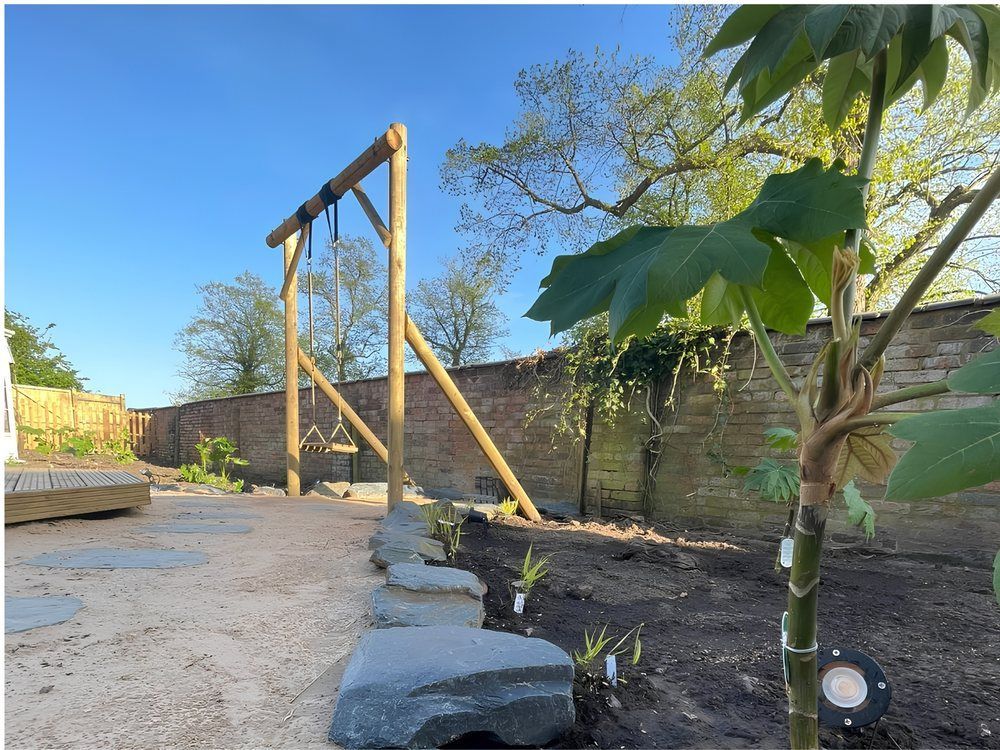
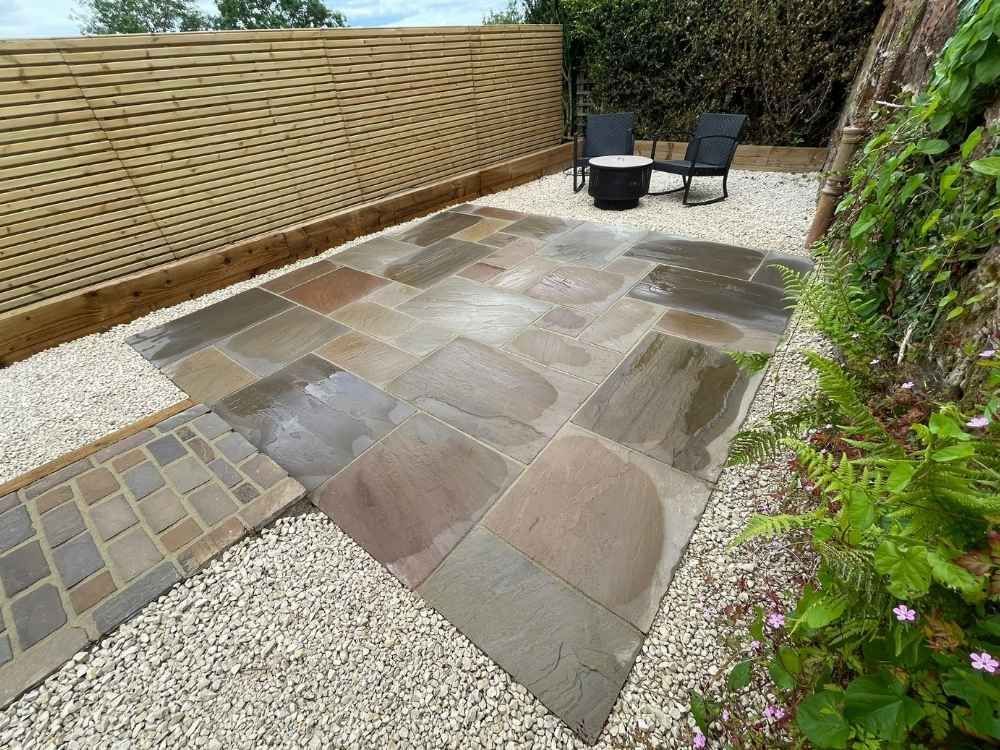
What we design and build in Ryton-on-Dunsmore
Screening, seating and planting laid out together and shown in 3D.
Solid and slatted boundaries at the heights permitted where you are.
Masonry and raised planting that add mass, height and sound absorption.
Pergolas and covered seating that screen views from above.
Seating areas placed in the quietest part of the plot, not by default at the door.
Low platforms tucked into sheltered corners of the garden.
A green centre to the enclosed garden, in turf or synthetic.
Garden drainage in Ryton-on-Dunsmore
Ground that stays wet in dry weather, and what that means.
A village where the roads are part of the garden brief
Ryton-on-Dunsmore grew up where routes cross, and it still sits beside busy main roads on the south-eastern edge of Coventry. Homes range from older village properties to later estates, and a good number of their gardens back onto or face traffic. The result is a common set of requests: somewhere to sit that feels private, less noise in the evenings, and no headlights sweeping across the lawn.
The instinct is to build the tallest possible fence. It helps with sight lines, but it does less for sound than people expect, it has a height limit, and on its own it can make a garden feel like a yard. The gardens that work combine several things at once: where the seating is placed, what surrounds it, and how much planted mass stands between it and the road.
Finding the quietest corner and building around it
We start by spending time in the garden with you and noting where noise and views actually come from, which is not always where people assume. Often the best place to sit is not by the back door at all, but in a corner shielded by the house itself or by an existing boundary.
The design then layers the screening: a boundary at the permitted height, planting in front of it for depth, a structure overhead where upstairs windows look down, and perhaps moving water to mask what remains. You see it in 3D from the seat as well as from the house, and we refine it with you until the space feels right, before agreeing a price.
Enclosure through planting and structure
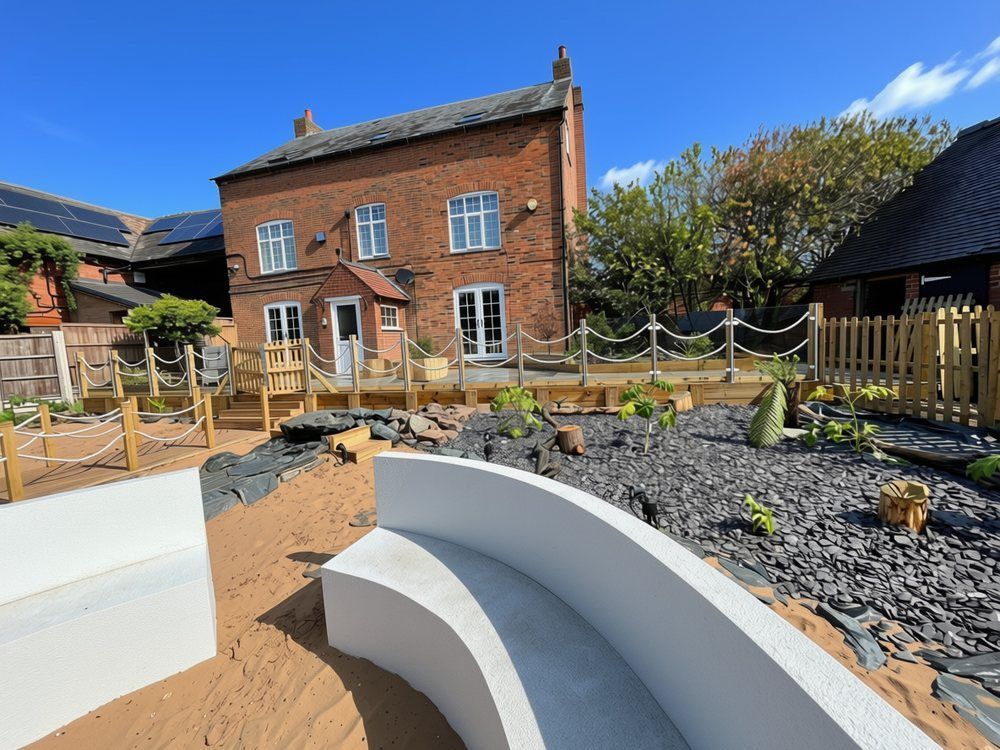
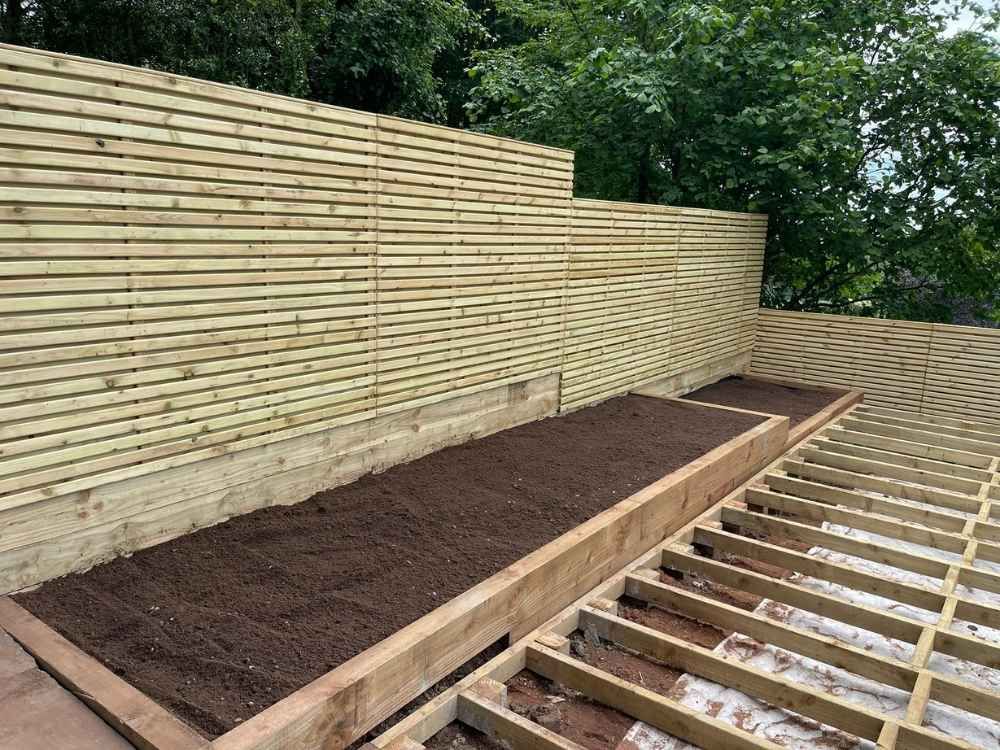
How high a fence can go without permission
The general position in England
- Two metres is the usual limit. Under permitted development, a new or altered fence, wall or gate can be up to two metres high without planning permission.
- One metre next to a road. Where the boundary is next to a highway used by vehicles, or the footpath of one, the limit falls to one metre. For gardens facing a main road, that shapes the front-garden design considerably.
- Height is measured from the ground next to it. On sloping ground, and where levels differ either side, that can change what is allowed.
- Hedges and planting are not fences. Planting within your garden is not subject to the same height limits, which is why a planted screen often achieves what a fence cannot, though evergreen hedges can later fall under the high hedges rules if they cause a neighbour a problem.
- Planning conditions and listed buildings can change this. Some properties have had permitted development rights removed, and listed buildings need consent for boundary works.
That is the outline of the rules, not a judgement on your own boundary. Where a design uses a boundary near the limit, we show it at drawing stage so you can confirm with the council before anything is ordered.
What screening schemes spend their money on
- Boundaries. Solid fencing and masonry walls block more than slatted screens and cost more.
- Planting size. Larger specimens give privacy from day one; smaller ones take years.
- Structures. Pergolas and covered seating that screen views from above.
- Water features. Moving water to mask background noise, with its power supply.
- The rest of the garden. Terraces, paths and lawns around the enclosed space.
Every element of the screening is in one agreed price, from the first post to the last plant.
Why Ryton clients use us
Privacy is rarely achieved by one tall thing. It comes from placing the right things in the right order.
We stand where you will sit
Noise and views are checked from the seat, not assumed from the plan.
Layered screening
Boundary, planting and structure combined, each doing the part it is best at.
Heights checked
Every boundary measured against the two-metre and one-metre limits before the design is finished.
Ten years on Coventry’s edge
Designing and building gardens since 2015, with £1M public liability behind every job.
Places we work nearby
Frequently asked questions
Do you design gardens in Ryton-on-Dunsmore?
Yes. We work across Ryton, Bubbenhall, Stretton-on-Dunsmore, Wolston and Brandon, and into Coventry, Binley and Rugby.
How high can my fence be without planning permission?
Usually up to two metres. Where the boundary is next to a road used by vehicles, or its footpath, the limit is one metre. Height is measured from the ground next to the fence, so sloping ground can affect it, and some properties have had these rights removed by planning condition.
Will a fence stop traffic noise?
It helps, but less than most people expect. Solid, heavy boundaries do more than lightweight panels, and planting, the position of the seating and a little moving water together usually make a bigger difference than height alone. We design the combination rather than relying on one element.
Is a hedge better than a fence for privacy?
Often, because planting within your garden is not subject to the same height limits and gives depth as well as height. It takes longer to establish unless larger plants are used, and evergreen hedges need managing so they do not become a problem for a neighbour.
Do you offer maintenance?
For gardens we build, aftercare is available, and screening planting benefits from it in its first few years. We do not take on maintenance of gardens we have not designed and built.
How long does a project take?
Typically one to three weeks on site, depending on the extent of boundaries, structures and planting.
What does the price include?
Boundaries, planting, structures and the labour to build them, plus clearing the site, all in one price agreed when the design is.
Want a more private garden in Ryton?
Tell us where the noise and views come from. We will work out the screening with you on paper before anything is costed.
