What Did Your Garden Teach You This Summer? Turning Frustrations into a Better Garden Design
Improving Your Garden for Next Summer
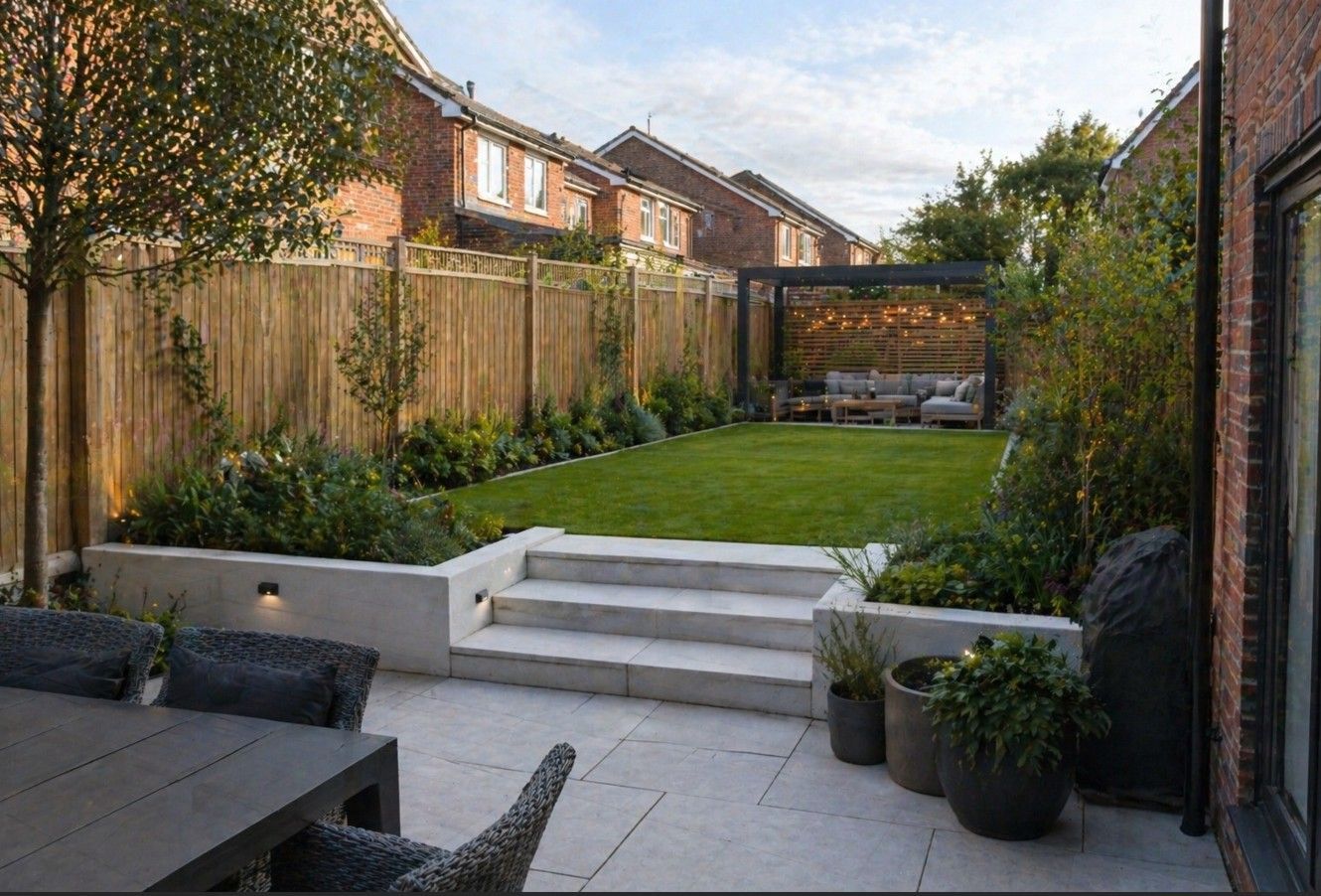
Summer is when you spend the most time in your garden. It’s also when you discover whether the space genuinely works for you and the way you live.
Perhaps your patio felt too small when family and friends came over. Maybe your seating area lost the evening sun, your garden felt overlooked or you found yourself avoiding certain areas because they had no clear purpose.
Although these things can be frustrating, they also provide useful insight. They show you exactly what needs to change and can become the starting point for a better garden design.
As summer draws to a close, now is the perfect time to think about what worked in your garden, what didn’t and what would help you enjoy it more next year.
Does Your Garden Work for the Way You Live?
An attractive garden isn’t necessarily a practical one.
Your garden may contain beautiful paving, planting or other individual features, but if they haven’t been planned around your lifestyle, the space can still feel awkward or difficult to use.
Before you begin thinking about specific materials or garden design ideas, consider what you want your outdoor space to do for you.
You may want somewhere to:
- Entertain family and friends
- Eat outside during warmer weather
- Relax in the evening
- Give your children space to play
- Enjoy gardening and growing plants
- Work from home outdoors
- Find a quiet place away from everyday life
Your answers will help shape the layout and features you actually need. A professional garden design should always begin with how you want to use the space—not simply how you want it to look.
Did You Have Enough Space for Entertaining?
Your patio may appear large enough when it’s empty, but that can quickly change once you add a dining table, chairs, a barbecue and several guests.
If people struggled to move around comfortably, or you had to place additional furniture on the lawn, your entertaining area may need to be reconsidered.
When planning a patio, you should think about:
- The size of your outdoor furniture
- How many people you regularly entertain
- Space for people to move around
- Access between your house and garden
- The position of your barbecue or outdoor kitchen
- Whether you want separate dining and relaxed seating areas
For you, the answer might be a larger patio. Alternatively, dividing your garden into clearly defined zones could give you more flexibility without allowing one large area of paving to dominate the space.
Is Your Seating Area in the Right Position?
Where did you naturally choose to sit this summer?
You may have noticed that your main patio loses the sun earlier than expected, while an unused corner receives beautiful evening light. Alternatively, the seating area closest to your house may become too hot during the middle of the day.
Watching how sunlight and shade move through your garden can help you identify the best positions for patios, pergolas, planting and seating.
You don’t necessarily need one large seating area. Your garden design could include a smaller space for morning coffee, a shaded daytime retreat and a separate area where you can enjoy the evening sun.
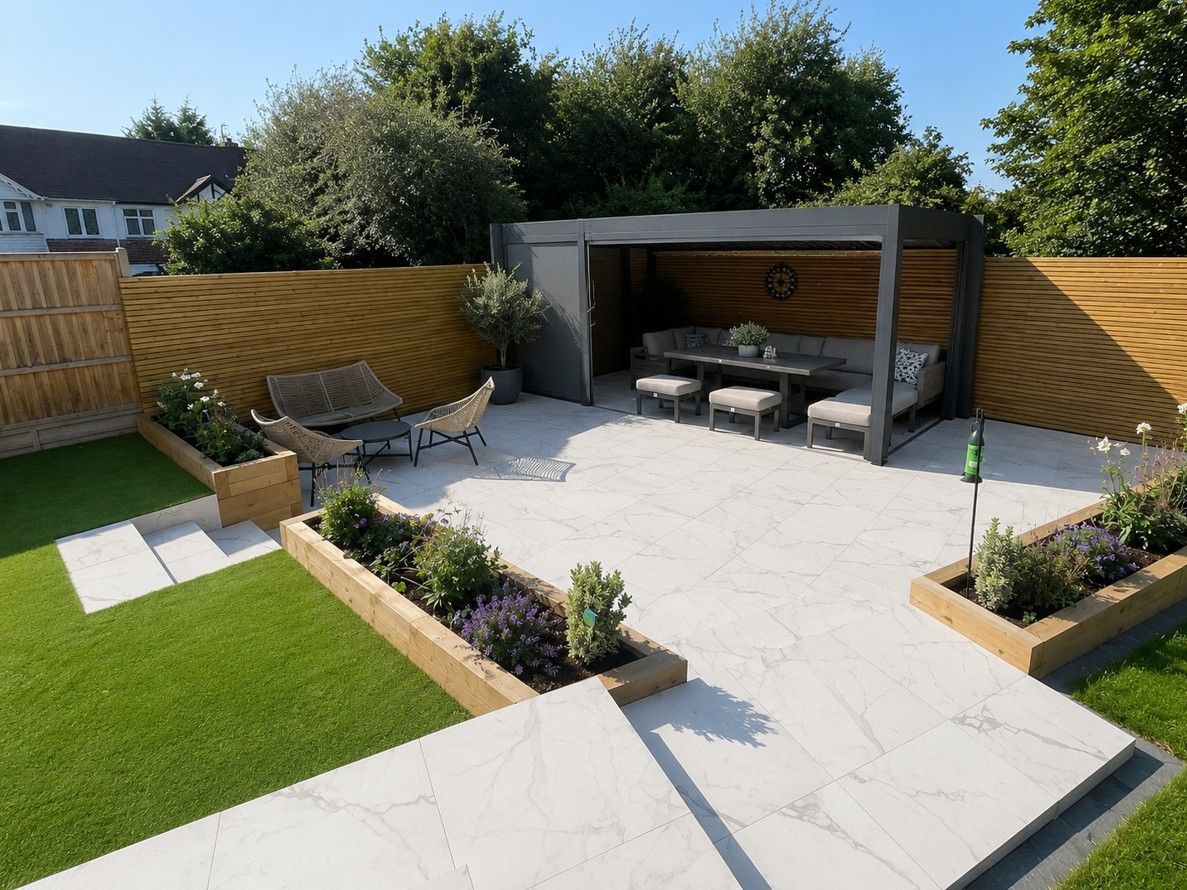
Pergolas, gazebos and carefully positioned trees can also introduce shade and shelter, helping you use your garden more comfortably throughout the day.
Do You Have Enough Privacy in Your Garden?
If your garden is overlooked, you may find it difficult to switch off and relax.
Privacy issues often become more noticeable during summer, when neighbouring gardens are being used more frequently and surrounding trees or planting may not provide enough screening.
Creating privacy doesn’t always mean surrounding yourself with tall fencing. A thoughtful garden design can use:
- Trees and layered planting
- Pleached trees or hedging
- Decorative garden screens
- Pergolas and covered seating areas
- Raised planters
- Carefully positioned focal points
You may only need additional screening around the places where privacy matters most, such as your dining area, hot tub or favourite place to sit.
This targeted approach can help you feel more secluded without making your entire garden feel enclosed.
Which Parts of Your Garden Did You Actually Use?
Think about the areas you used regularly this summer—and the areas you ignored.
You might have an empty corner, a patio that rarely receives sunlight or a large lawn that takes time to maintain but doesn’t add much to your enjoyment of the garden.
These unused spaces are valuable opportunities. Depending on what you need, they could become:
- A quiet seating corner
- A children’s play area
- An outdoor kitchen
- A planted walkway
- A practical storage space
- A productive area with raised beds
- A feature area with a tree, sculpture or water feature
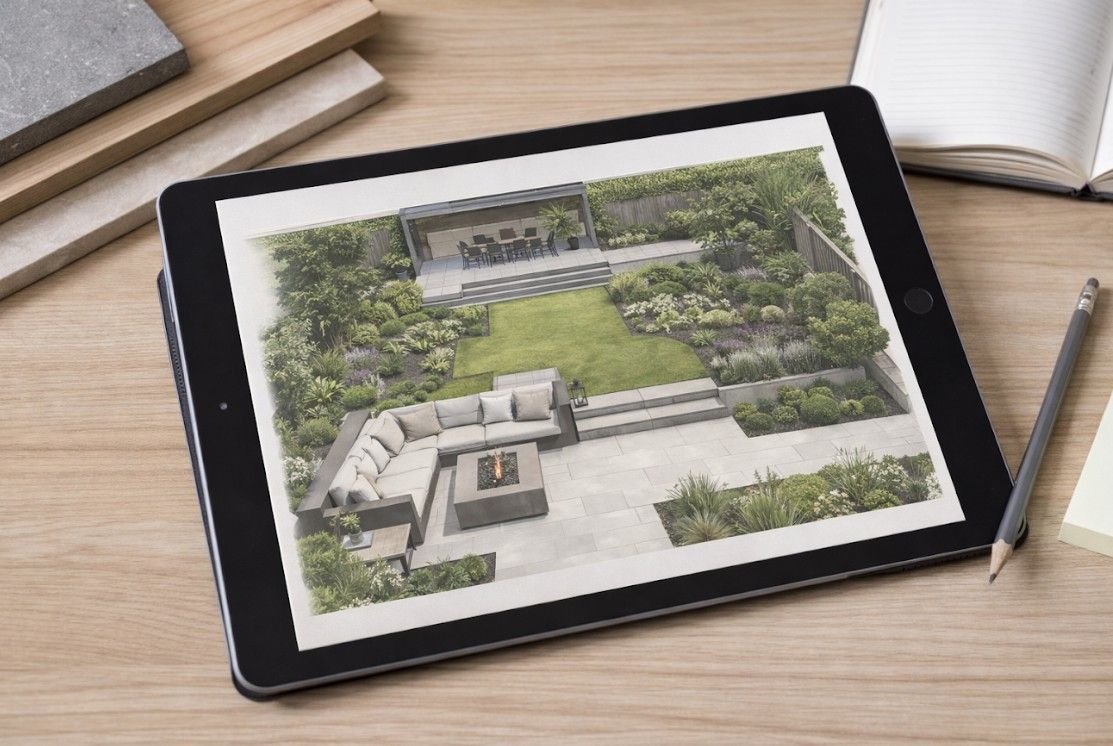
A well-planned garden layout gives each area a clear purpose while connecting everything through consistent materials, planting and pathways.
Did Your Garden Have Enough Colour and Interest?
Summer should be one of the most colourful times in your garden. If the space still felt flat or uninspiring, your planting may need more variety, structure or seasonal interest.
Choosing plants shouldn’t only be about what looks attractive at the garden centre. Your planting design should consider:
- When different plants flower
- How much sunlight each area receives
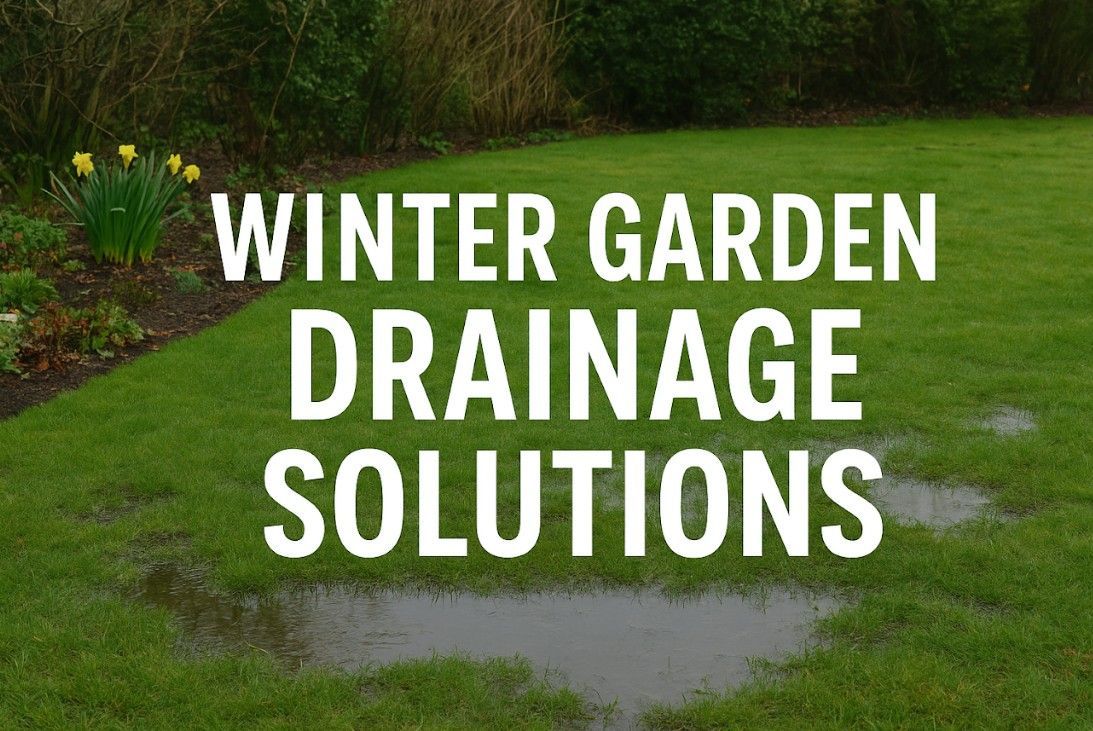
- Your garden’s soil and drainage conditions
- The eventual height and spread of each plant
- Colour, texture and movement
- How much maintenance you want to undertake
- How your garden will look throughout the year
A mixture of trees, shrubs, ornamental grasses and flowering perennials can give you colour and texture across several seasons.
Evergreen plants provide valuable structure during winter, while carefully selected flowers can bring interest from early spring through to autumn.
Could You Enjoy Your Garden After Sunset?
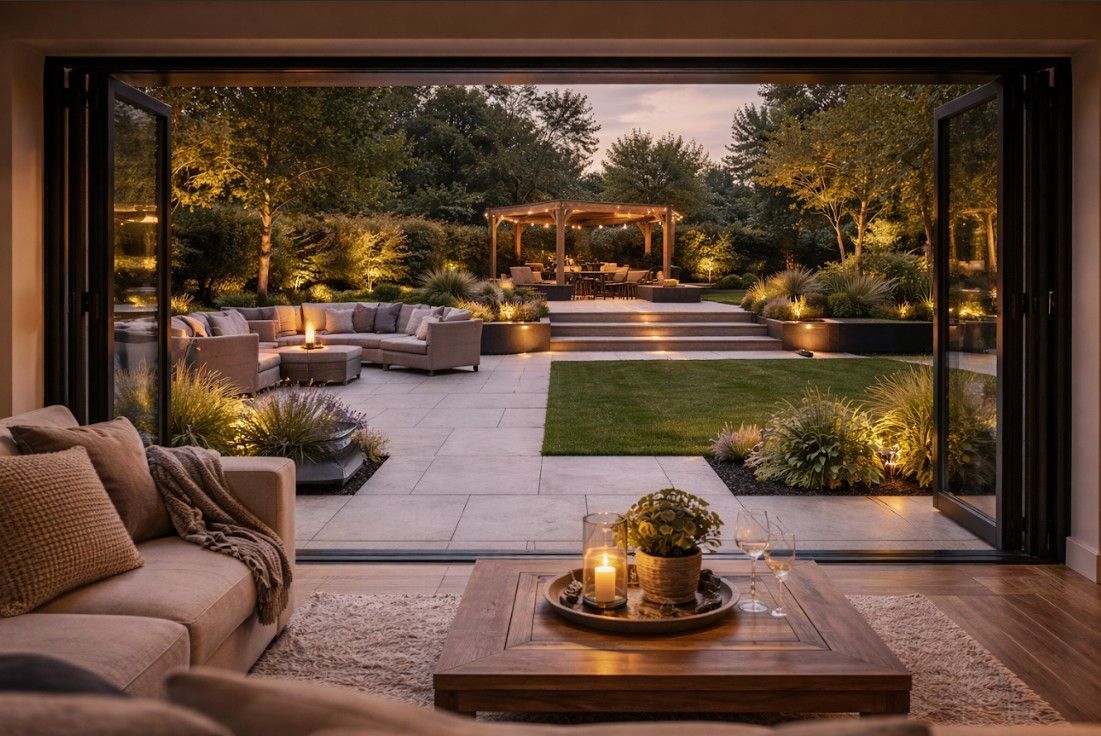
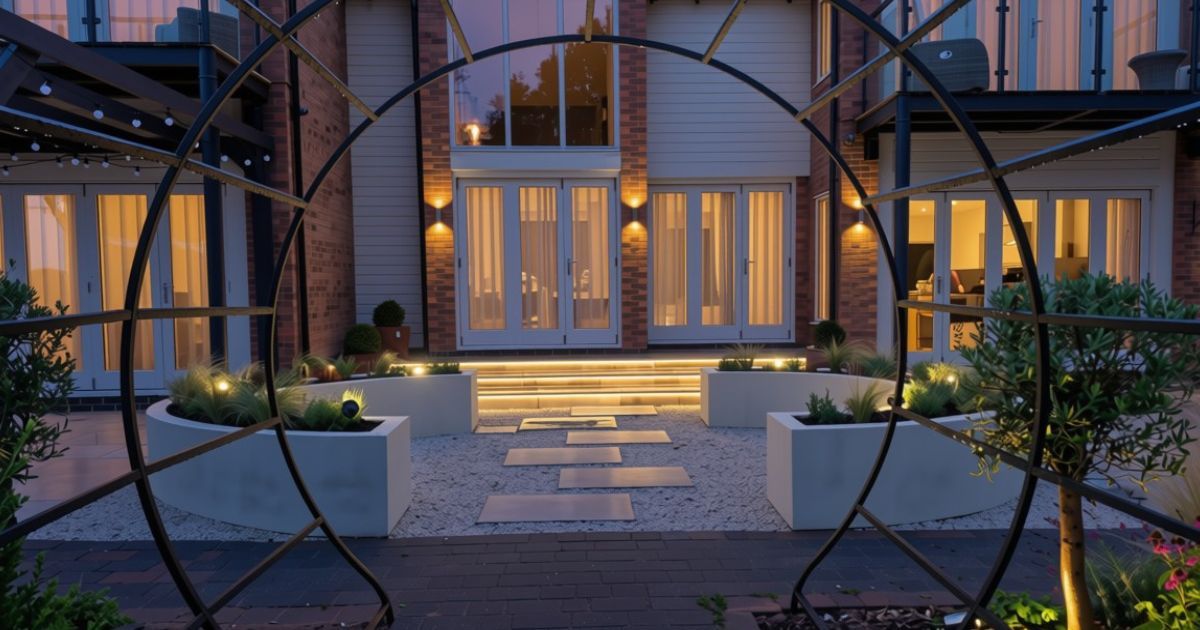
If you stopped using your garden as soon as it became dark, outdoor lighting could completely change how you experience the space.
A carefully planned lighting scheme can:
- Illuminate pathways and steps
- Make seating areas feel warm and welcoming
- Highlight trees and architectural planting
- Draw attention to water features or textured walls
- Help you use the garden safely after sunset
- Create an attractive view from inside your home
Lighting is best considered during the garden design stage. Cable routes, power supplies and light positions can then be incorporated into the groundwork before your paving, lawn and planting are completed.
This produces a cleaner result and prevents finished areas from needing to be disturbed later.
Is Your Garden Practical for Everyday Life?
Your garden needs to work on an ordinary day, not just when you’re entertaining.
Your bins need somewhere to go. Children and pets may need safe areas to play. Garden equipment requires storage, and the routes between your house, garage and gate need to remain clear.
A successful garden redesign combines these practical requirements with the overall appearance of the space.
Your bins could be hidden behind decorative screening, storage could be incorporated discreetly and functional pathways could become attractive features within the design.
You shouldn’t have to choose between a garden that looks beautiful and one that works properly. With the right planning, you can have both.
Did Garden Maintenance Take Up Too Much of Your Summer?
Your garden should suit the amount of time you genuinely want to spend looking after it.
If your weekends were dominated by mowing, weeding or cleaning difficult surfaces, your garden may require more maintenance than your lifestyle allows.
Creating a low-maintenance garden doesn’t mean removing all the plants and covering the space with paving. Instead, you could use:
- Defined planting borders
- Carefully selected low-maintenance plants
- High-quality paving and edging
- Suitable ground-cover planting
- Practical lawn sizes
- Materials chosen for durability and ease of care
Your garden design should reflect how much maintenance you are comfortable with while still providing the colour, softness and natural character you want.
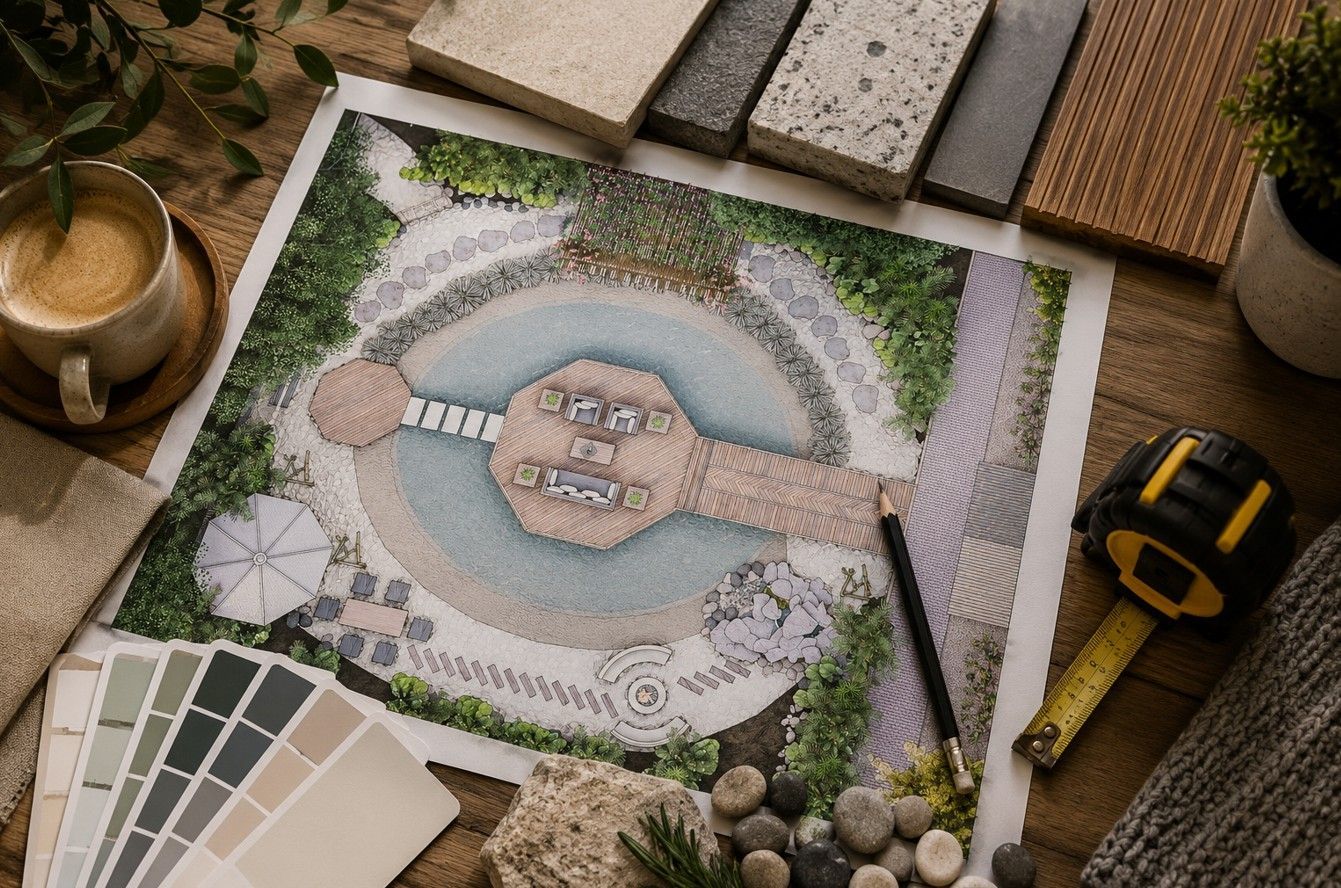
How Can You Turn Your Frustrations into a Garden Design Brief?
You don’t need to know exactly what your finished garden should look like before speaking to a garden designer.
Start by writing down what you liked and disliked about your garden this summer.
Ask yourself:
- How would you like to use your garden?
- What frustrated you most this summer?
- Which areas worked particularly well?
- Where did you naturally choose to sit?
- What do you need more or less of?
- When are you most likely to use the space?
- How much maintenance are you prepared to do?
- What would encourage you to spend more time outside?
These answers can form the basis of your garden design brief. Your preferred layout, materials, planting and features can then be developed around your priorities and the practical requirements of the site.
Why Should You Start Planning Your Garden in September?
It’s easy to wait until spring before thinking seriously about landscaping your garden. However, a complete garden transformation takes time to design, price, refine and schedule.
Starting your garden design during autumn gives you more time to:
- Explore different layouts and ideas
- Set a realistic investment level
- Consider suitable materials
- Develop and revise the design
- Make confident decisions without rushing
- Secure an appropriate place within the landscaping schedule
If you want to enjoy an improved garden next spring or summer, beginning the conversation now can put you in a much better position.
Start Planning a Garden That Works Better for You
At DNA Landscapes, we design and build gardens across Coventry, Warwickshire and the surrounding areas.
We don’t simply focus on how your garden will look when it’s finished. We consider how you want to use it, how each area should connect and what will make the space work better for you for many years to come.
Our garden design consultations give you the opportunity to discuss your ideas, frustrations and priorities with an experienced garden designer.
While the memories of summer are still fresh, take another look at your outdoor space.
What worked well for you?
What would you change?
And what could make your garden more enjoyable next summer?
Your new garden may begin with a professional design, but the most useful starting point is understanding what your current garden has already taught you.